The Hidden Heat of the Forest: Dorrigo Pepper’s Botanical and Culinary Story
Introduction
Introduction
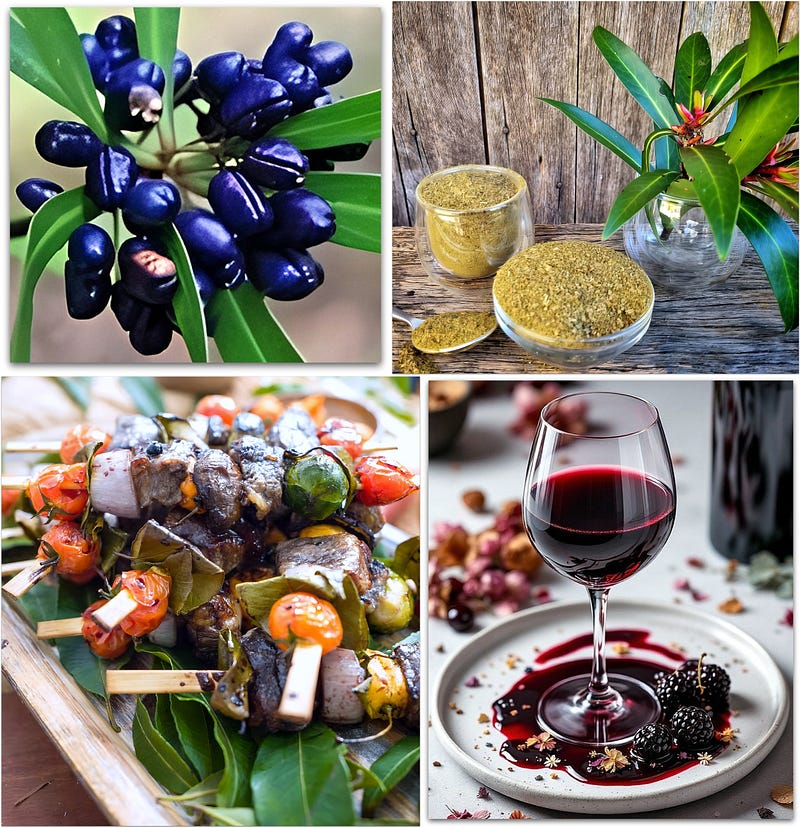
In the cool, mist-draped rainforests of New South Wales, a small tree quietly grows with leaves that carry fire. Known as Dorrigo Pepper, or Tasmannia stipitata, this plant bridges two worlds: the ancient ecological rhythms of Gondwanan forests and the modern kitchens of adventurous chefs. What was once bush tucker for Indigenous Australians has become a prized spice in contemporary gastronomy, delivering a punch of flavor far sharper and more complex than black pepper. Its journey from forest understory to gourmet tables tells a story about biodiversity, cultural heritage, and sustainability.
Taxonomy
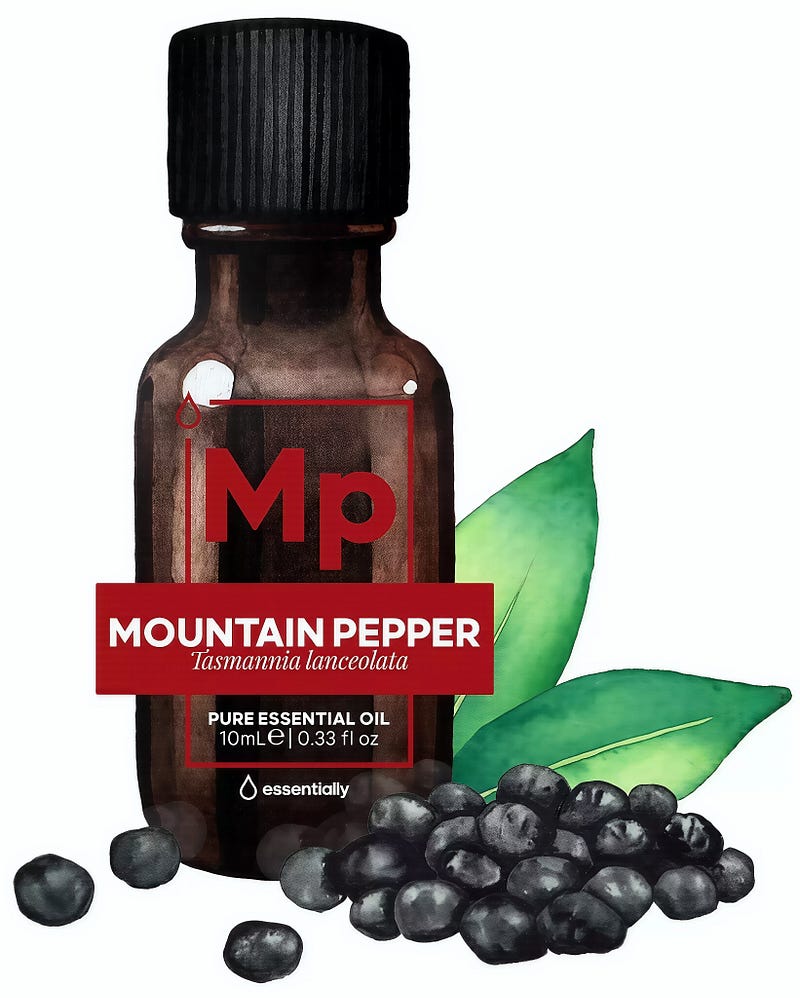
Dorrigo Pepper belongs to the family Winteraceae, one of the oldest surviving plant lineages. Its scientific name is Tasmannia stipitata, with “Tasmannia” referring to the broader genus of native pepperbushes found across Australia and Papua New Guinea. While close relatives like Mountain Pepper (Tasmannia lanceolata) are better known, T. stipitata distinguishes itself through its particularly aromatic leaves. Common names include Dorrigo Pepper, Dorrigo Pepperleaf, and simply Native Pepper. Unlike black pepper (Piper nigrum), which is a tropical vine, this species is a small evergreen tree, reminding us that not all “pepper” belongs to the same family tree.
Biology
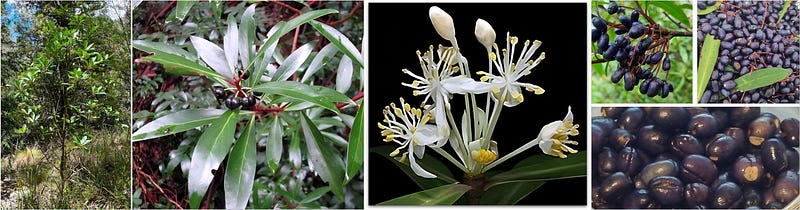
A modest understory tree, Dorrigo Pepper typically reaches 3 to 5 meters in height (about 10 to 16 ft). Its glossy green leaves measure roughly 6 to 12 cm (2.3 to 4.7 in) in length and emit a spicy aroma when crushed. In spring, it produces clusters of small white flowers, followed by fleshy, purple-black berries about 4 to 6 mm (0.15 to 0.23 in) across. Both leaves and berries are edible, though the leaves are especially sought after for their potent essential oils.
The heat in Dorrigo Pepper comes from polygodial, a sesquiterpene dialdehyde that acts as a natural defense against herbivores. For humans, this translates to an intense numbing heat — sharp at first, then lingering like an ember. Unlike black pepper’s piperine, polygodial also imparts woody and clove-like undertones, giving the spice more depth.
Ecology
Dorrigo Pepper is endemic to the rainforests of northern New South Wales, thriving in high-rainfall areas with rich, loamy soils. As an understory plant, it provides cover and food for small birds and insects. Its flowers attract pollinators, while its berries are eaten by fruit-loving birds, helping with seed dispersal.

Like many native Australian plants, Tasmannia stipitata is adapted to disturbances such as fire, though its rainforest niche protects it from frequent burns. Conservationists emphasize the importance of preserving its habitat, as deforestation and climate change threaten the ecological balance of these forests. Cultivation projects are increasingly focused on sustainable harvesting, ensuring the species can be enjoyed without undermining its fragile ecosystem.
Uses
For Indigenous Australians, Dorrigo Pepper was both a seasoning and a medicine, valued for its antimicrobial properties and ability to relieve toothache. Today, it is cultivated commercially in small quantities, primarily for the gourmet food industry. The global market sees it as part of a broader fascination with “new native” ingredients, much like wattleseed or lemon myrtle.
Economically, Dorrigo Pepper represents a niche but growing sector of the Australian bushfood trade. Its production emphasizes sustainable practices, often managed by small growers who supply both domestic and international markets. Unlike black pepper plantations spanning thousands of hectares, Dorrigo Pepper’s cultivation remains artisanal, which both limits its supply and elevates its prestige.
Culinary Aspects
The sensory profile of Dorrigo Pepper is bold and layered. Its taste begins with a sharp, almost anesthetic bite before unfolding into notes of eucalyptus, cinnamon, and clove. The aroma is spicy yet fresh, with a resinous forest character. On the tongue, the mouthfeel is numbing and tingling, akin to Sichuan pepper but with a woodier finish.
The balance is complex: fiery at first, then cooling, then warm again. The aftertaste lingers, with echoes of earthy spice and a faint sweetness. Its appearance, as finely ground leaves or dark berries, makes it versatile in both savory and sweet applications. Chefs use it to season meats, add depth to sauces, or even infuse it into chocolates and ice creams.
Nutritionally, the spice contains antioxidants and compounds with antimicrobial potential. Its chemesthetic qualities — those tingling, numbing sensations — set it apart from conventional seasonings, giving diners not just flavor but an experience.
Wine Pairings
Pairing wine with Dorrigo Pepper requires thought, since its heat and complexity can overpower delicate vintages. Full-bodied Shiraz, with its dark fruit and peppery notes, creates harmony, amplifying the spice while grounding it with tannic structure. A bold Cabernet Sauvignon also works, offering cassis and cedar that complement the woody undertones.
For white wine pairings, a dry Riesling brings a refreshing acidity that cuts through the numbing heat, while a Gewürztraminer — with its lychee, rose, and spice — resonates with Dorrigo Pepper’s floral side. Sparkling wines can add a cleansing lift, resetting the palate between spicy bites.
Conclusion
Dorrigo Pepper is more than just a spice; it is a bridge between deep time and the present table. From rainforest understories shaped by ancient geological history to the modern kitchen where chefs seek originality, Tasmannia stipitata carries both ecological significance and cultural resonance. Its fiery leaves and berries remind us that biodiversity is not just something to conserve — it is something to taste, savor, and celebrate. If handled with care and respect, Dorrigo Pepper could continue to season not only our dishes but also our awareness of the intricate, spicy weave between culture, cuisine, and conservation.