The Hidden Spice of Tradition: Zedoary’s Journey from Forest to Table
Introduction
Introduction
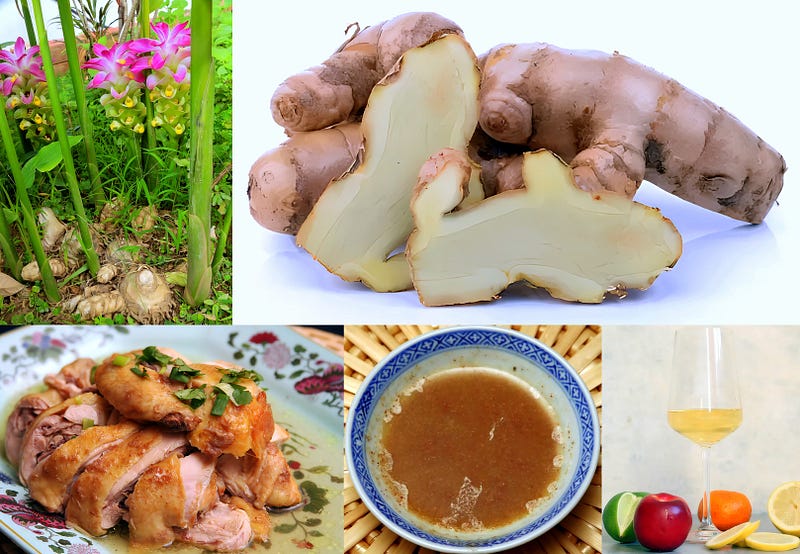
Zedoary, pronounced ZED-oh-air-ee, known to botanists as Curcuma zedoaria, is a plant that refuses to stay neatly in one box. Part of the ginger family, it looks humble enough on the outside, with rhizomes that resemble turmeric. Yet behind its unassuming skin lies a root that has fueled traditional medicine, stirred culinary intrigue, and sparked debates about sustainability. Zedoary is a bridge between ancient practices and modern rediscovery, a botanical reminder that flavor and function often grow from the same soil.
Taxonomy
Zedoary belongs to the genus Curcuma within the Zingiberaceae family, a clan that also includes turmeric (Curcuma longa) and ginger (Zingiber officinale). Its scientific name is Curcuma zedoaria Roscoe, though in various cultures it appears under an array of names: white turmeric, kentjur, kachur, and shati. While not as globally marketed as turmeric, zedoary has local varieties cultivated in South and Southeast Asia, prized for either their pungent rhizomes or medicinal extracts.
Biology
The plant is a perennial herb with broad, lanceolate leaves streaked with purple down the midrib, reaching heights of about 3.3 ft (1 m). Its underground rhizomes grow thick and knobby, wrapped in pale skin with a whitish interior that emits a camphor-like aroma. The life cycle is seasonal: sprouting with the rains, flowering with distinctive pink and yellow blooms, and retreating underground during the dry season. Unlike its cousin turmeric, which stains everything golden, zedoary’s flesh is ivory white, its chemistry dominated by sesquiterpenes that give it both medicinal punch and culinary challenge.
Ecology
Native to India and Indonesia, zedoary thrives in tropical forests with moist, loamy soil. Traditionally, it was foraged in the wild, but deforestation and agricultural expansion have placed pressure on natural populations. Cultivation is now practiced more widely, though often on a smallholder scale. Sustainable harvesting is key, as the rhizomes take months to mature. Responsible practices — crop rotation, organic soil management, and careful replanting of rhizome offsets — ensure zedoary remains available without eroding its ecological niche.

Uses
For centuries, zedoary was valued less as a flavoring and more as a medicinal root. In Ayurveda, it was used to treat digestive disorders, inflammation, and respiratory ailments. In Chinese medicine, it played a role in blood circulation remedies. Today, its extracts are studied for anti-cancer and anti-microbial properties, though much research remains in early stages. Economically, zedoary lags behind ginger and turmeric in global trade but holds a niche market in herbal supplements, essential oils, and perfumery. Its strong aroma makes it valuable in cosmetics, though cultivation remains limited, keeping prices relatively high.
Culinary Aspects
Zedoary is not for the timid palate. Raw, its taste is sharp and bitter, a fusion of mango and ginger chased with menthol. In India, thin slices of the fresh rhizome are pickled, often with mustard oil and vinegar, creating a condiment that electrifies simple meals. In Indonesia, powdered zedoary flavors curry pastes, while in Thailand, it appears in spice blends that demand complexity. Beyond its bite, it carries nutritional benefits — dietary fiber, antioxidants, and essential oils that aid digestion. A 1-oz (28 g) serving provides a potent herbal kick, balancing between food and medicine.
Wine Pairings
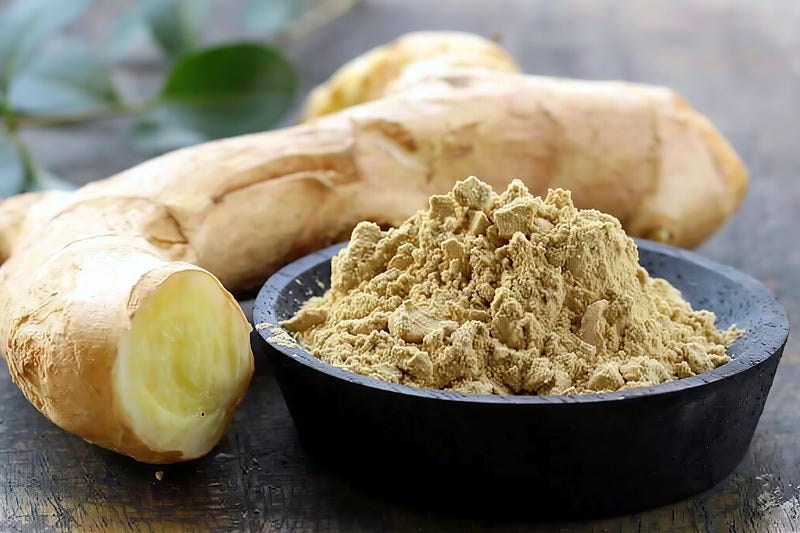
Pairing wine with zedoary is like matching a storm with music: the harmony lies in contrast. Its bitter, aromatic notes complement dry Rieslings with their acidity cutting through the intensity, while Gewürztraminer’s floral sweetness softens the root’s camphor edge. For heartier dishes, a chilled Sauvignon Blanc plays referee, keeping spice in balance without losing the root’s eccentric bite.
Conclusion
Zedoary may not be the global star its cousin turmeric has become, but it carries a charisma rooted in tradition and resilience. In its ivory flesh lies a reminder of biodiversity’s importance, of culinary courage, and of the delicate balance between use and preservation. To taste zedoary is to taste history — sharp, medicinal, and utterly unforgettable.