The Harlequin Quail: Africa’s Jewel of Grasslands, Kitchens, and Culture
With plumage patterned like intricate beadwork and a reputation as both a resilient survivor and a culinary delicacy, it occupies a fascinating niche where biology, ecology, and gastronomy converge.
Introduction
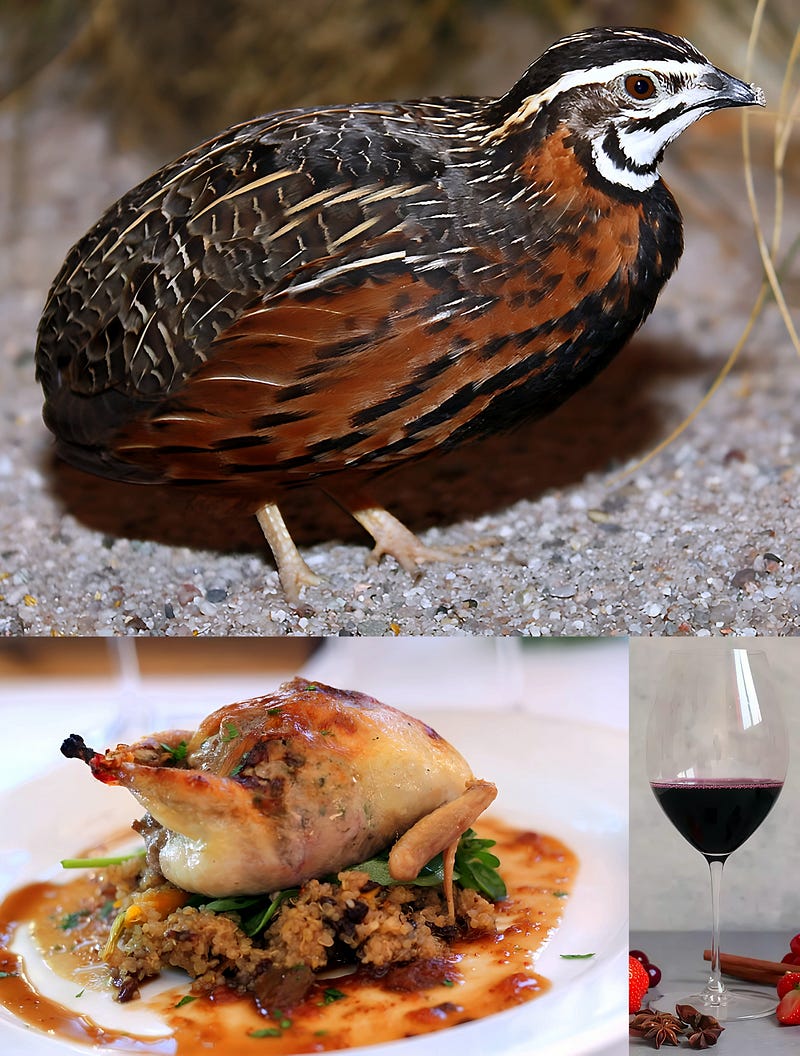
The Harlequin Quail (Coturnix delegorguei) is a bird that seems to wear both elegance and utility in equal measure. Native to Africa’s savannas and grasslands, this small yet striking quail has long intrigued ornithologists, chefs, and farmers alike. With plumage patterned like intricate beadwork and a reputation as both a resilient survivor and a culinary delicacy, it occupies a fascinating niche where biology, ecology, and gastronomy converge. To know the Harlequin Quail is to glimpse the ways human survival and cultural heritage are bound up with the rhythms of the natural world.
Taxonomy
Belonging to the family Phasianidae, the Harlequin Quail shares kinship with pheasants, partridges, and other quail species. Its scientific name, Coturnix delegorguei, honors the French explorer Adulphe Delegorgue. Commonly called Harlequin Quail, it sometimes goes by “painted quail” in rural markets where its vivid markings earn admiration. Several subspecies occur across sub-Saharan Africa, adapting to local climates and landscapes. Unlike domesticated Japanese quail (Coturnix japonica), which dominate global quail farming, Harlequin Quail remain largely wild-caught or raised in small, sustainable operations, particularly for regional cuisines.
Biology
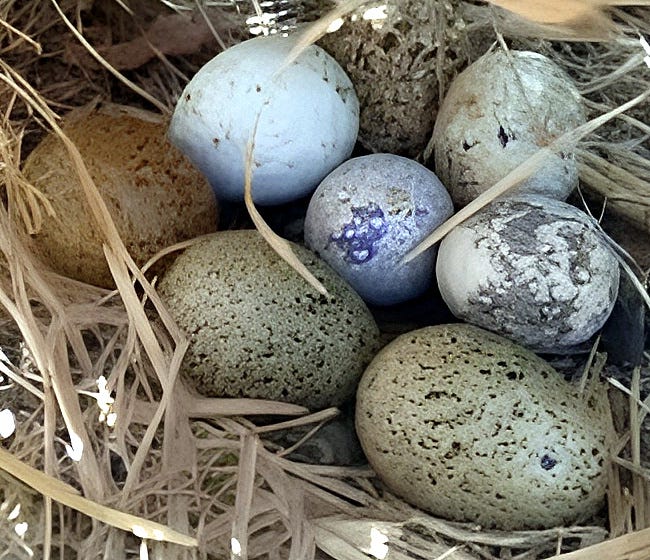
A compact bird, the Harlequin Quail measures about 6 in (15 cm) in length, with males displaying a harlequin mask of bold white and chestnut. Females, more camouflaged in mottled brown, vanish easily into dry grasses. Weighing roughly 2.5 oz (70 g), they are lightweight, quick to flush from cover, and capable of short bursts of flight that frustrate predators and hunters alike. Their life cycle revolves around rainfall: breeding follows the first heavy showers of the season, when seeds and insects are plentiful. Females lay clutches of up to 10 eggs, each about 1.1 in (2.8 cm) long, hatching in just 16 days.
Ecology
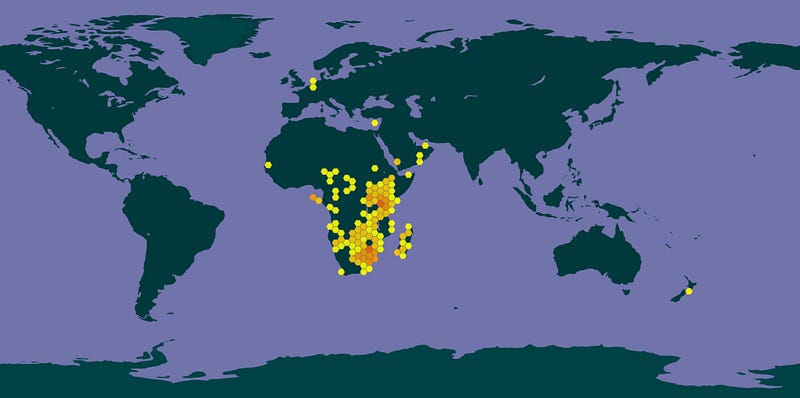
Harlequin Quail thrive in grasslands, millet fields, and savannas, ranging from Ethiopia down to South Africa. Their diet blends seeds, grains, and insects, giving them both ecological importance as insect controllers and potential pests when they descend upon millet fields. Their presence signals healthy ecosystems, yet shifting rainfall patterns and agricultural expansion have reduced habitats in certain regions. Sustainable management — rotational grazing, controlled hunting seasons, and habitat corridors — can ensure this bird’s survival in landscapes pressured by human needs.
Uses
Economically, Harlequin Quail straddle two worlds: tradition and opportunity. In rural communities, they provide protein during lean months, particularly after harvest. For hunters and small-scale farmers, they represent both subsistence and commerce, sold in local markets as fresh or smoked meat. Unlike industrial poultry, Harlequin Quail farming remains relatively low-impact, often using small enclosures that mimic natural habitats. With global interest in game birds on the rise, some farms experiment with semi-domestication, seeking to balance demand with sustainability.
Culinary Aspects
To dine on Harlequin Quail is to encounter a harmony of delicacy and intensity. Its flavor profile leans toward earthy and nutty, with a richness that bridges chicken and pheasant. The aroma when roasted carries subtle notes of dry grass and toasted grain. On the palate, the meat offers a firm texture with a slight chew, finishing with a lingering gamey complexity. When grilled over open flame, the balance between smoky char and natural sweetness makes it especially memorable.
The mouthfeel is lean rather than fatty, yet it retains juiciness if cooked with care. The aftertaste is clean, with no heaviness, inviting multiple servings. Appearance plays no small role: the bird’s small roasted body, golden-brown skin, and petite size give it an elegance that fine dining kitchens love to showcase. Cultural importance remains strong in East and Southern Africa, where Harlequin Quail is prepared with spices like coriander and chili, or simmered in stews enriched with tomatoes and onions. Nutritionally, a single 2.5 oz (70 g) portion provides lean protein, iron, and essential B vitamins with fewer calories than equivalent cuts of chicken.
Wine Pairings
Pairing wine with Harlequin Quail calls for balance and restraint. A light Pinot Noir, with its red berry brightness and subtle earthiness, accentuates the bird’s nutty undertones. A Chenin Blanc, crisp and slightly honeyed, harmonizes with spiced stews, especially in South African preparations. For those who prefer fuller-bodied choices, a Grenache with its peppery fruitiness holds its own against smoky grilled quail without overwhelming the delicate finish.
Conclusion
The Harlequin Quail is more than just a bird of African grasslands. It embodies the interdependence of ecosystems, human sustenance, and culinary artistry. From its dazzling plumage to its delicate meat, it remains a symbol of how nature offers beauty and nourishment in equal measure. Protecting its habitats, honoring its cultural roles, and savoring its flavors responsibly allow us to appreciate not just a bird, but an entire ecological story written in feathers, fields, and fire.