The Hoatzin: Amazon’s Leaf-Eating Enigma and the Bird That Defies Convention
Deep within the emerald labyrinth of the Amazon Basin lives a bird that seems to have slipped through a crack in time. The hoatzin, a…
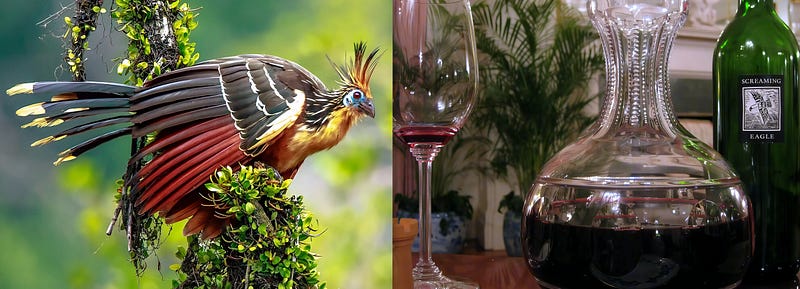
Deep within the emerald labyrinth of the Amazon Basin lives a bird that seems to have slipped through a crack in time. The hoatzin, a creature that evokes both prehistoric wonder and ecological fascination, is not simply another tropical species. It is a riddle in feathers, a bird whose diet, behavior, and physiology challenge everything we think we know about avian evolution. For those who love the marriage of biology, culinary curiosity, and sustainability, the hoatzin is a story waiting to be told.

A Living Relic of Taxonomy
Scientifically named Opisthocomus hoazin, the hoatzin stands alone as the only species in its family, Opisthocomidae, making it a monotypic marvel. No recognized subspecies exist, and it carries a range of local names, from the enigmatic “stinkbird” to regional designations whispered by riverine communities. In a world of taxonomic branches, it is a solitary trunk — ancient, unreplicated, and undeniably strange.
Biology of a Time Traveler
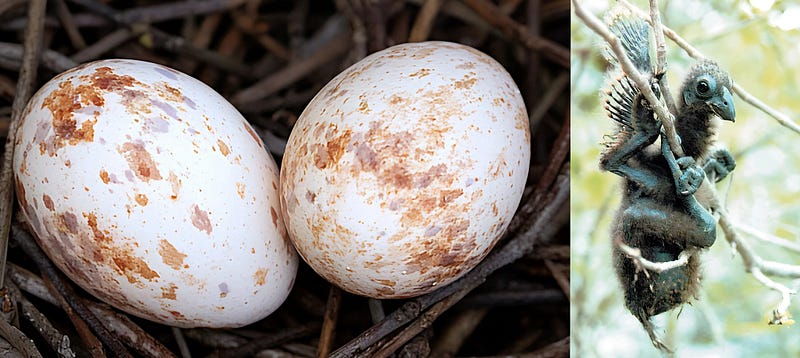
Imagine a bird with a spiky crest, chestnut wings, and a powdery blue face framed by deep maroon eyes. Adults grow to about twenty-six inches in length, which is approximately sixty-six centimeters, a size that commands attention in the dense foliage. Their most astonishing trait lies hidden in their guts. Unlike most birds, the hoatzin is a foregut fermenter, using a crop chamber to break down leaves, a process more akin to cattle than to parrots or toucans. Chicks hatch with two functional claws on each wing, allowing them to clamber along branches or even into water to escape predators — an adaptation so primitive and reptilian that it stirs visions of the Jurassic.
Ecology in a Lush Green Theater
The hoatzin is a child of slow-moving rivers, oxbow lakes, and flooded forests. It thrives in wetlands rich with aquatic vegetation, constructing communal nests in branches just above the waterline. As strict herbivores, they trim young leaves and buds, shaping plant growth in subtle ways. They fertilize the forest floor with droppings rich in partially digested foliage, contributing to nutrient cycles that sustain insect populations and seed dispersal. Conservationists see them as vital indicators of riparian ecosystem health, though habitat loss and climate change whisper persistent threats to their future.
Practical Uses and Sustainability
Unlike many birds of the tropics, the hoatzin is rarely hunted commercially. Its distinctive digestive process imparts a pungent odor to its flesh, which is why locals often leave it alone despite its abundance. That very unpalatability makes it an unexpected ally in conservation; its populations remain stable precisely because it is considered undesirable as food. Some ecotourism ventures celebrate their uniqueness, offering guided excursions to observe hoatzins in their native habitat. This approach transforms the species into an economic asset without risking exploitation, creating a model of sustainable appreciation rather than extraction.
Culinary Aspects and Cultural Curiosity
Here, the tale becomes almost mythic. While few would consider eating a hoatzin — its flesh has been described as smelling like manure due to fermented leaves — its reputation as the “stinkbird” has earned it a place in Amazonian folklore. Rather than being sought for the table, it is discussed with reverent amusement. Its presence sparks conversations about how food preferences shape conservation. There are no traditional recipes to share, no whispered methods for preparation, only a cultural consensus: the hoatzin is best left admired, not consumed.
Imagining Wine Pairings for the Untasted
Were one ever to brave the culinary taboo, the earthy, herbaceous nature of the hoatzin’s theoretical flavor might call for a robust Malbec or a bold Cabernet Sauvignon, wines with enough tannic structure to tame a wild and bitter palate. Yet this remains an intellectual exercise, a pairing of imagination rather than reality, a reflection on how deeply flavor, culture, and ecology intertwine.
Conclusion: A Feathered Puzzle for the Future
The hoatzin endures as a paradox — an ancient bird in a modern world, a species protected by its unappetizing aroma, a keystone of the Amazon’s living tapestry. To encounter it, even in a story, is to be reminded that not all treasures are meant for the plate. Some are meant to remain wild, to stir curiosity, and to inspire us to protect the places where wonder still thrives. As you imagine the rustle of leaves and the sudden flash of chestnut wings over a glassy river, consider how you might champion the spaces where such creatures endure.