The Japanese Amberjack: Oceanic Majesty, Culinary Treasure, and a Lesson in Sustainability
Introduction The Japanese amberjack, known scientifically as Seriola quinqueradiata and commonly called hamachi or buri in Japan, is a fish…
Introduction
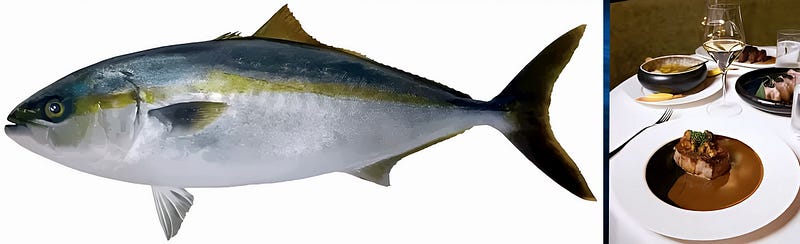
The Japanese amberjack, known scientifically as Seriola quinqueradiata and commonly called hamachi or buri in Japan, is a fish that embodies both tradition and modern innovation. It swims at the intersection of ocean ecology, cultural heritage, and global gastronomy. Its journey from the clear coastal waters of the Pacific to refined sushi counters worldwide tells a story of adaptation, value, and the balancing act between demand and sustainability.
Taxonomy
The Japanese amberjack belongs to the Carangidae family, which also includes jacks and pompanos. Within this family, Seriola quinqueradiata is one of the most commercially important species, prized for its versatility and flavor. Juvenile amberjacks are often called hamachi, while adults, which can grow up to 3 ft (about 91 cm) in length and weigh as much as 80 lb (36 kg), are referred to as buri. This nomenclature shift reflects traditional Japanese practices, where the fish’s name changes with its size and age.
Biology
Sleek, torpedo-shaped, and built for speed, the Japanese amberjack is an apex coastal predator. Its streamlined body and deeply forked tail allow it to chase small fish and squid with remarkable agility. The amberjack’s coloration, a brilliant blue-green dorsal surface fading to a silvery-white belly, provides effective camouflage in open water. It reaches sexual maturity around two years of age and can live for up to 15 years in the wild. Like other pelagic species, it is highly migratory, moving through the temperate waters of the Northwest Pacific.
Ecology
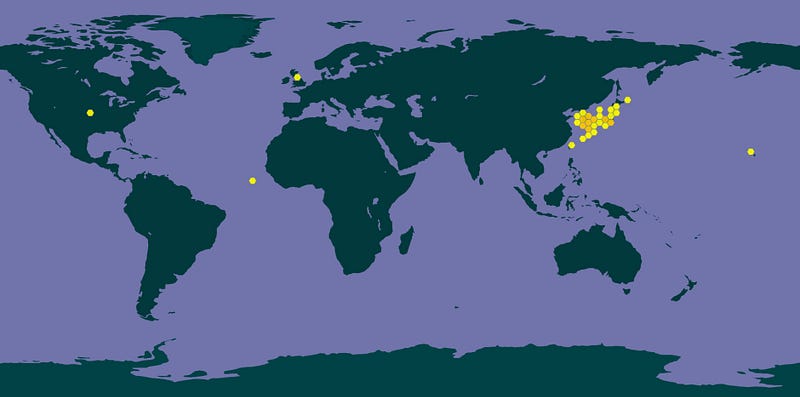
Japanese amberjacks inhabit the waters off Japan, Korea, and China, favoring coastal shelves and bays. They play a key role in marine ecosystems as both predator and prey. Their natural spawning grounds stretch across the southern waters of Japan, where they release millions of eggs in late winter. Aquaculture now accounts for much of the commercial supply, but wild populations remain integral to the ecosystem. Concerns over overfishing have spurred increased reliance on sustainable farming practices. Many operations now employ recirculating aquaculture systems that reduce waste and protect wild stocks while maintaining water quality.
Uses
The Japanese amberjack is one of Japan’s most valuable fishery resources, supporting both commercial fishing and aquaculture industries. Farming began in earnest during the 1960s and now yields thousands of metric tons annually. With growing demand in international markets, especially in North America and Europe, the economic importance of this species cannot be overstated. Sustainable practices, including careful monitoring of feed and minimizing antibiotic use, are increasingly crucial for ensuring long-term viability.
Culinary Aspects
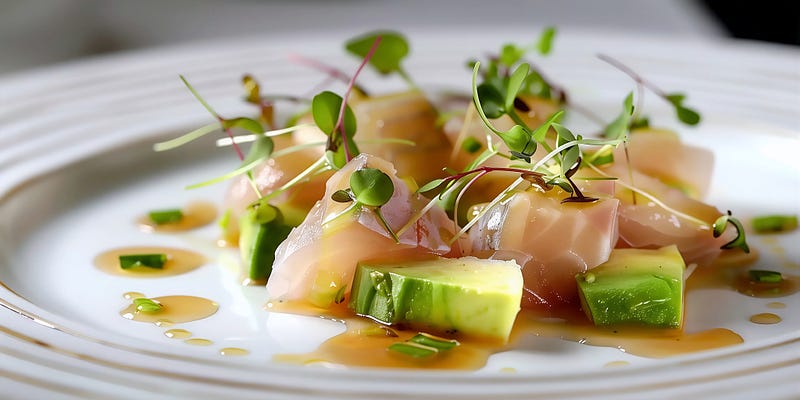
The culinary appeal of Seriola quinqueradiata is extraordinary. Known for its firm yet buttery flesh, the fish is a centerpiece of Japanese cuisine. Hamachi is a favorite in sushi and sashimi, where its rich texture and mild sweetness shine. The larger buri, with slightly leaner meat, is often grilled or simmered in traditional dishes such as buri daikon. In the West, amberjack has become a gourmet staple, featured in crudo, ceviche, and elegant pan-seared presentations. Nutritionally, it is a powerhouse, offering high levels of omega-3 fatty acids, protein, and essential vitamins. A 4 oz (113 g) serving delivers ample nutrition with a clean, oceanic flavor.
Wine Pairings
Pairing wine with Japanese amberjack is an opportunity to highlight its delicate yet distinctive profile. For raw preparations like sushi and sashimi, a crisp, mineral-driven white wine such as Chablis or Albariño enhances its buttery sweetness. Grilled or simmered dishes pair beautifully with fuller-bodied whites like Chardonnay or even light reds such as Pinot Noir. Sparkling wines with a fine mousse can also lift the richness of amberjack, making them a versatile choice for a multi-course meal.
Conclusion
The Japanese amberjack is more than a fish; it is a testament to how humans interact with the ocean’s resources. Its story reflects centuries of culinary tradition, the rise of aquaculture, and ongoing efforts to balance economic value with ecological responsibility. As consumers, our choices influence the future of species like Seriola quinqueradiata. By supporting sustainable fisheries and mindful aquaculture, we can ensure that this remarkable fish continues to enrich our oceans and our tables for generations to come.