The Lightning of the Sea: Sailfish and Their Enduring Allure
Introduction
Introduction
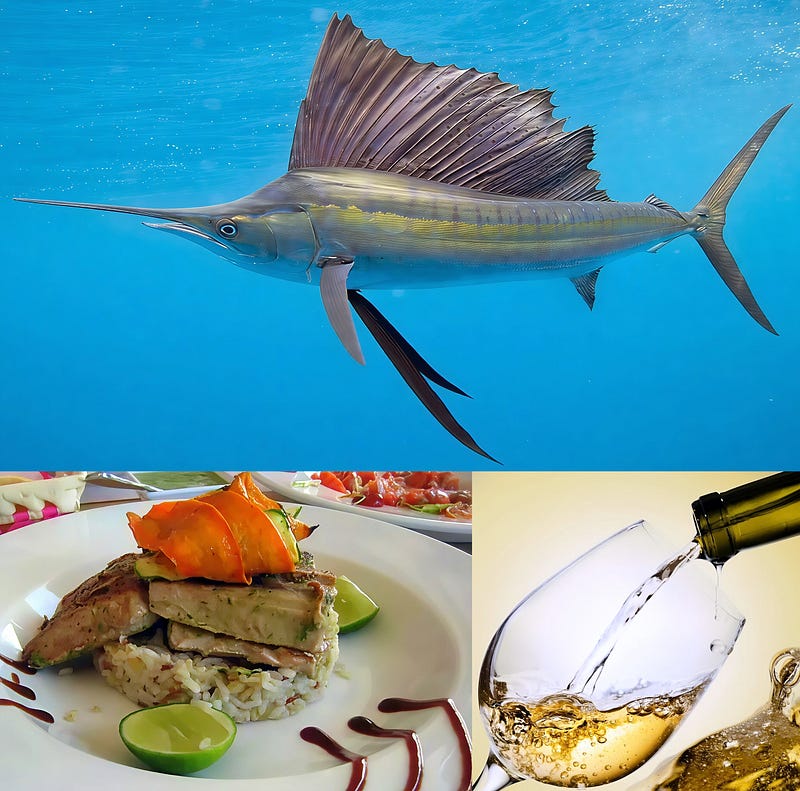
There are few creatures in the ocean as dazzling or as fast as the sailfish. Known for its shimmering cobalt sail and its ability to slice through water at speeds that rival a speeding car — up to 68 mph, or 109 km/h — this fish has long inspired awe, myth, and admiration. Beyond its breathtaking speed, the sailfish represents a fascinating intersection of evolutionary design, cultural reverence, and questions of sustainability. To study the sailfish is to glimpse both the artistry of the sea and the challenges of our stewardship over its riches.
Taxonomy
The sailfish belongs to the family Istiophoridae, under the genus Istiophorus. The most recognized species is Istiophorus platypterus, often referred to simply as the Atlantic or Indo-Pacific sailfish, though taxonomic debate has at times separated populations by oceanic range. Its common name, sailfish, derives from its enormous dorsal fin — its “sail” — that stretches nearly the length of its body. While no subspecies are officially recognized, regional variations exist, particularly in body size and color intensity. In fisheries and markets, the sailfish is often lumped alongside marlins and swordfish, though it holds its own unique culinary and ecological identity.
Biology
A marvel of hydrodynamics, the sailfish can grow to 11 ft (3.35 m) and weigh up to 220 lb (100 kg). Its long, spear-like bill reduces drag as it hunts, while the oversized sail fin can be raised to corral schools of fish or lowered flat against the body for streamlined bursts of speed. Its scales glint in shades of blue, silver, and indigo, providing both camouflage and spectacle. The sailfish’s life cycle is equally remarkable: spawning occurs in warm, tropical waters, with females releasing millions of eggs, ensuring the species’ continuity against the harsh odds of marine survival.
Ecology
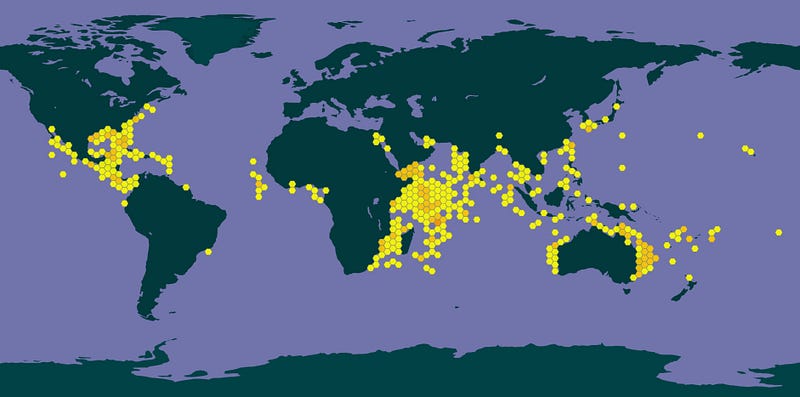
Sailfish are found in both the Atlantic and Indo-Pacific oceans, thriving in warm and temperate waters. They are apex predators, feasting on sardines, anchovies, squid, and mackerel, often working in coordinated hunting groups. Their ecological role is vital: by regulating populations of smaller fish, sailfish maintain balance within marine food webs. Yet, they face increasing threats from overfishing and bycatch in longline tuna fisheries. Climate change further complicates their migratory patterns, pushing them into cooler waters and altering traditional spawning grounds. Sustainable management is key if the sailfish is to continue reigning as a symbol of ocean vitality.
Uses
Economically, the sailfish is not as heavily marketed as tuna or swordfish, but it holds significant value in sport fishing. Anglers flock to places like Florida, Mexico, and the Philippines to chase the sailfish, drawn by its legendary fight and acrobatic leaps when hooked. In many cases, sport fishing operates under catch-and-release practices, which bolster ecotourism economies while conserving populations. Commercial sale of sailfish meat does occur, though it is often overshadowed by marlin or mahi-mahi in markets. The tension between its status as a prized game fish and a consumable resource underscores the importance of sustainable oversight.
Culinary Aspects
Though not as commonly consumed as tuna or swordfish, sailfish meat carries a firm texture and a flavor that straddles the line between mild and robust. Its flesh, often deep red when raw, cooks into a pale pink with a meaty consistency similar to swordfish. In regions of Southeast Asia and the Caribbean, sailfish is smoked, grilled, or stewed, offering protein-rich nourishment with roughly 20 g of protein per 100 g serving. Rich in omega-3 fatty acids, sailfish provides cardiovascular benefits, though mercury levels remain a concern in larger specimens, calling for moderation in consumption.
Wine Pairings
Pairing sailfish at the table demands wines with balance and structure. A chilled Sauvignon Blanc from New Zealand, with its crisp acidity and notes of citrus, pairs well with grilled sailfish fillets, cutting through the meat’s density while refreshing the palate. For smoked or richly spiced preparations, a Pinot Noir from Oregon offers subtle berry notes and earthiness, harmonizing with the fish’s depth. In coastal Mediterranean traditions, a Vermentino with its saline edge evokes the sea itself, creating a poetic resonance between fish and vine.
Conclusion
The sailfish is not merely a creature of speed but a symbol of the sea’s elegance and fragility. To honor it is to marvel at its adaptations, respect its ecological role, and approach its culinary and economic uses with wisdom. If managed sustainably, the sailfish can continue to ignite wonder in divers, anglers, chefs, and storytellers alike. It reminds us that beauty and responsibility swim side by side in the vast blue expanse of our planet’s oceans.