The Many-Finned Shadow: 越鱯(Hemibagrus pluriradiatus) and Its Place in Culture and Cuisine
Introduction
Introduction
Rivers in Southeast Asia carry more than silt and fish; they hold stories of survival, nourishment, and identity. Among the currents lurks Hemibagrus pluriradiatus, a bagrid catfish whose understated appearance conceals a deep ecological and culinary importance. For local communities, this fish is not merely a catch but part of a continuum that links biodiversity, culture, and sustainability. To appreciate it is to step into the intricate interplay between people and water, science and sustenance, tradition and modernity.
Taxonomy
Hemibagrus pluriradiatus belongs to the family Bagridae, a group of freshwater catfishes distributed widely across Asia. The genus Hemibagrus itself contains more than 30 recognized species, many of which are valued as food fish. This species has no widely known common name outside scientific or local contexts, though within its native range, it is often grouped under regional catch-all terms for catfish. Unlike cosmopolitan relatives such as Hemibagrus nemurus, H. pluriradiatus remains relatively obscure, known best to ichthyologists and riverine communities.
Biology
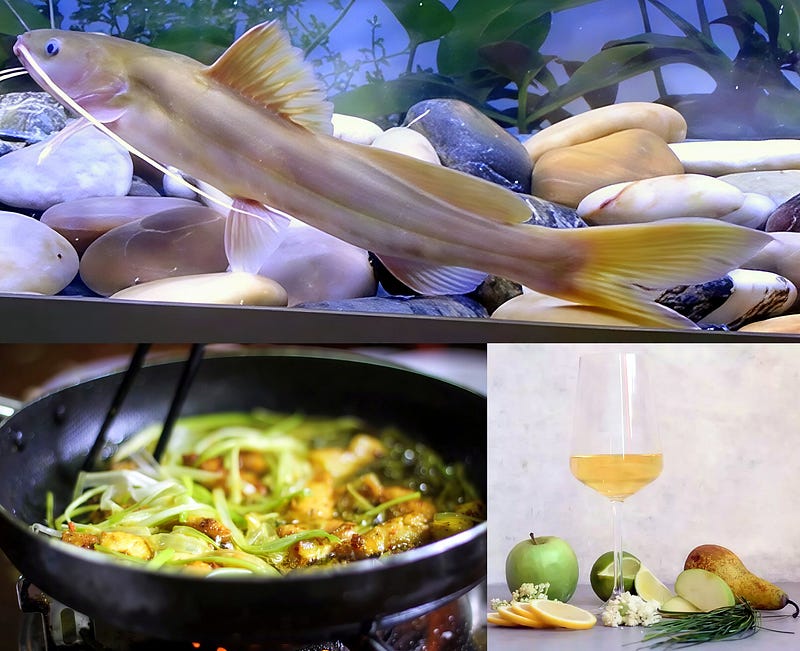
At first glance, H. pluriradiatus may seem like a modest river dweller: an elongated body cloaked in muted gray-brown hues, a broad head with the characteristic whisker-like barbels, and a sleek musculature built for ambush. Adults average around 30 to 40 cm (12 to 16 in) in length, though some may exceed this when environmental conditions are favorable. These catfish are nocturnal hunters, preying on small fish, crustaceans, and aquatic insects. Like many bagrids, they rely heavily on their barbels as sensory organs, enabling them to navigate murky waters where vision fails.
Reproduction occurs seasonally with the rise of river levels. Spawning coincides with monsoon floods, ensuring that fry develop amid abundant food resources. Growth is relatively rapid, making them resilient to controlled harvest, though overfishing and habitat loss can quickly destabilize local populations.
Ecology
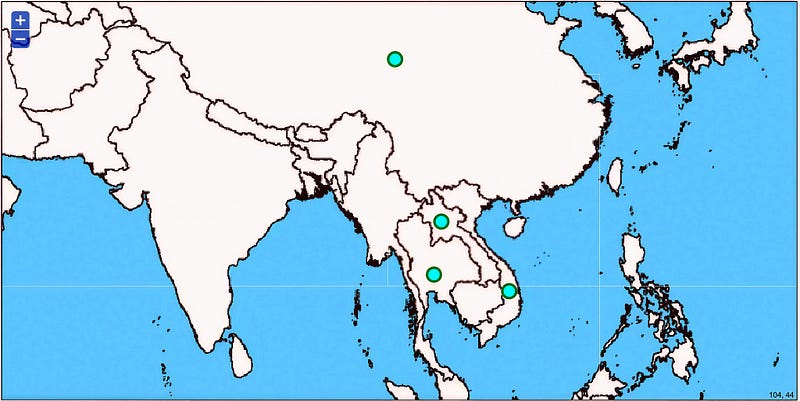
H. pluriradiatus is primarily found in river basins of Southeast Asia, often inhabiting deep channels and floodplains. As a mid-level predator, it plays a balancing role in aquatic ecosystems, regulating populations of smaller fishes and invertebrates. Unfortunately, like many freshwater species, it is vulnerable to damming, pollution, and overharvesting. Sedimentation from deforestation and agriculture reduces spawning habitat, while industrial runoff degrades water quality. Without careful management, such species slip unnoticed into decline, a fate that has befallen too many freshwater fish worldwide.
Sustainable practices — seasonal harvest restrictions, habitat restoration, and small-scale aquaculture — are essential to preserving this species for both ecological balance and human use.
Uses
In local markets, H. pluriradiatus is traded as food, contributing to subsistence economies where freshwater protein remains essential. Its relatively fast growth makes it a candidate for aquaculture, though it has not been commercialized to the same extent as its larger relatives. As with many catfishes, it represents both immediate nutrition and long-term potential for sustainable fisheries if managed wisely. For rural households, a fish caught fresh from the river is both dinner and cultural continuity.
Culinary Aspects
The flesh of H. pluriradiatus is white, firm, and subtly sweet, with a mild aroma that lends itself to a variety of cooking methods. When grilled over charcoal, the fish develops a golden crispness, its oils producing a nutty undertone. Steaming preserves its delicate balance, highlighting the clean aftertaste and smooth mouthfeel. In soups and curries, it absorbs spices readily, offering a savory depth without overpowering the broth.
Taste profile: mild, slightly sweet
Flavor profile: nutty undertones when grilled, clean when steamed
Aroma: light, fresh, faintly earthy
Mouthfeel: firm, moist, satisfying without greasiness
Texture: smooth flake, medium density
Balance and complexity: versatile, harmonizes with herbs and spices
Aftertaste: clean with a faint mineral note
Appearance: white flesh with a gentle sheen
Chemesthesis: low, gentle warmth when paired with chili-based dishes
Nutritionally, a 100 g (3.5 oz) serving provides lean protein, low saturated fat, and essential omega-3 fatty acids. This makes it a desirable choice for balanced diets where heart health and sustainability align.
Wine Pairings
Pairing wine with freshwater fish requires delicacy. A crisp Sauvignon Blanc, with its citrus and herbaceous notes, brightens the fish’s clean flavors when steamed or poached. A dry Riesling, with its slight mineral edge, complements spicy Southeast Asian preparations, cutting through chili heat while echoing the fish’s subtle sweetness. For grilled preparations, a light Pinot Noir brings gentle tannins and red fruit that underscore the smoky, nutty finish.
Conclusion
Hemibagrus pluriradiatus is more than a nameless catfish drifting through muddy waters. It is a thread in the web of life, a meal at the family table, and a reminder of how biodiversity sustains culture. Its obscurity does not diminish its value; rather, it highlights the many hidden species that underpin food security and ecological health. To honor this fish is to honor the rivers themselves — sources of life that demand our protection. In every bite of grilled catfish or sip of paired wine lies an invitation to care, not only for the flavors on the plate but for the waters that brought them there.