The Wild Herb of Mexico: Epazote’s Botanical, Culinary, and Cultural Power
Beloved for its ability to flavor beans while easing their infamous digestive effects, yet feared for its potent essential oils, epazote is a plant of contradictions.
Introduction
Few plants inspire as much curiosity and caution as epazote (pronounced “eh-pah-ZOH-teh”), known scientifically as Dysphania ambrosioides. With its sharp, resinous aroma and ancient role in Mesoamerican cuisine, this herb stands at the crossroads of medicine, cooking, and ecology. Beloved for its ability to flavor beans while easing their infamous digestive effects, yet feared for its potent essential oils, epazote is a plant of contradictions. To study it is to encounter a species that has survived centuries of cultivation, ritual, and reinvention while retaining its wild and untamed essence.
Taxonomy
Dysphania ambrosioides belongs to the Amaranthaceae family, which also includes quinoa and spinach. It was once classified under the genus Chenopodium, but modern taxonomy reassigned it to Dysphania. Common names abound: wormseed, Jesuit’s tea, Mexican tea, and paico. Indigenous peoples across Mexico and Central America developed localized varieties, though all share the pungent leaves that define the species. Unlike many culinary herbs that have multiple cultivars bred for subtlety, epazote has resisted domestication, retaining its feral intensity.
Biology
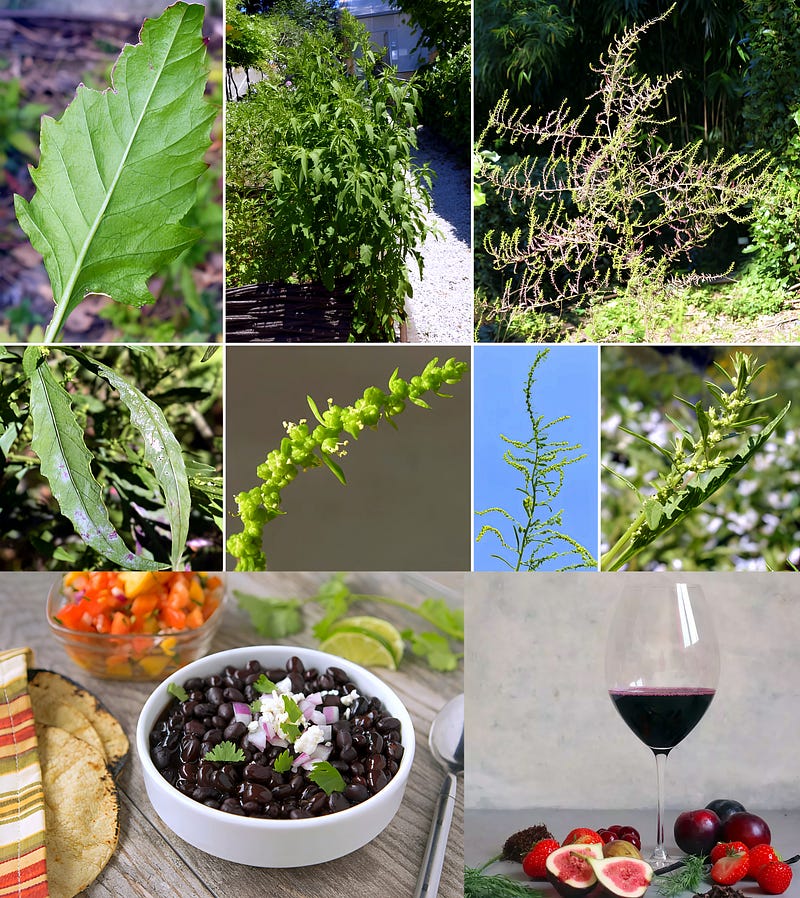
Epazote is an annual or short-lived perennial that can reach up to 1.2 meters (about 4 ft) in height. Its leaves are long, serrated, and emit a distinctive odor described by some as medicinal, tar-like, or even gasoline-tinged. Tiny green flowers cluster on spikes, producing small black seeds. The plant thrives in warm climates and poor soils, showing remarkable drought tolerance. Its life cycle is quick, allowing it to reseed readily in disturbed habitats. The defining biological trait lies in its essential oils, particularly ascaridole, which gives both its therapeutic and toxic qualities.
Ecology
Native to Mexico and Central America, epazote has spread across the tropics and subtropics, often naturalizing in fields, roadsides, and kitchen gardens. Its resilience makes it both a treasured companion plant and a mild invader. Ecologically, it provides nectar for pollinators and resilience in agroecosystems where traditional crops like beans, maize, and squash dominate. Sustainable practices encourage small-scale cultivation rather than large-scale monoculture, since its potency diminishes in commercial settings, and biodiversity loss would undermine its cultural value.

Uses
For centuries, epazote has been a medicinal herb. Indigenous healers used it against intestinal parasites, menstrual irregularities, and respiratory complaints. While its pharmacological power is real, its volatile oils demand caution — large doses can be toxic, especially for children and pregnant women. Economically, epazote remains tied to regional markets in Mexico, Guatemala, and parts of South America, where fresh bundles sell alongside beans, chilies, and tortillas. Internationally, dried leaves and seeds enter niche markets for Mexican and Central American diaspora communities.
Culinary Aspects
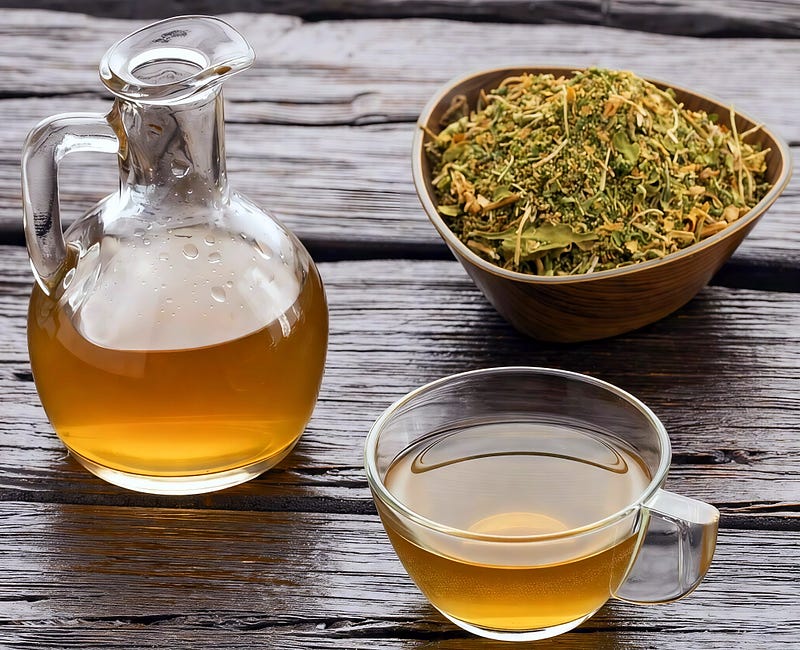
To taste epazote is to step into a world of boldness. The flavor profile is earthy, pungent, and medicinal, with notes reminiscent of fennel, mint, and camphor, though sharper and less forgiving. Its aroma announces itself immediately — intense, resinous, almost overpowering. In cooking, however, the herb transforms. Added to beans, especially black beans, it lends depth while softening digestive aftereffects. Traditional dishes like quesadillas de epazote, tamales, and mole verde depend on their unmistakable character.
The mouthfeel is assertive, coating the palate with a slightly bitter, resinous finish. Balance and complexity emerge when paired with fatty or starchy foods, tempering its raw intensity. Aftertaste lingers with a herbal, almost medicinal echo. Appearance is unassuming: simple green leaves, sometimes mistaken for weeds. Chemesthesis is strong — its oils engage the tongue and nose with a prickly sharpness that borders on numbing. Nutritionally, fresh leaves contribute vitamins A and C, calcium, and trace minerals, but their real value lies in cultural identity and digestive support.
Wine Pairings
Pairing wine with epazote is no small feat, given its aggressive flavor. A crisp Sauvignon Blanc, with its grassy notes and citrus bite, can match its herbal power without being overwhelmed. For red wines, a young Tempranillo offers earthy undertones that echo the plant’s rustic quality while providing enough acidity to cut through bean-heavy dishes. Sparkling wines, particularly dry Cava or Prosecco, cleanse the palate between bites, balancing the herb’s resinous aftertaste.
Conclusion
Epazote is a paradox — wild yet cultivated, medicinal yet dangerous, overpowering yet indispensable. It embodies the heart of Mesoamerican foodways, reminding us that not all flavors are meant to soothe; some are meant to challenge and awaken. As modern culinary and ecological conversations embrace biodiversity and sustainability, epazote holds its ground as a living link to tradition. In its sharp scent and bold taste lies a story of survival, culture, and the stubborn refusal of certain plants to be tamed.