The Midnight Jewel of Poultry: Unveiling the Ayam Cemani
There are chickens, and then there is the Ayam Cemani, a bird so cloaked in mystery and shimmering black allure that it feels pulled…
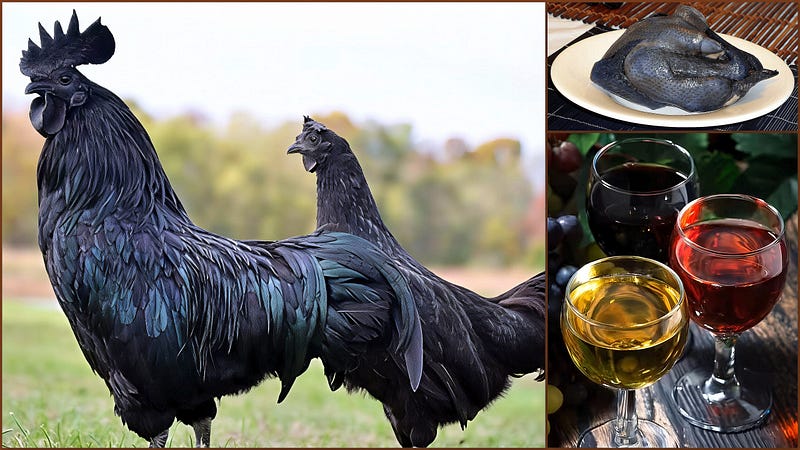
There are chickens, and then there is the Ayam Cemani, a bird so cloaked in mystery and shimmering black allure that it feels pulled straight from folklore. Revered in Indonesia, coveted by collectors and gourmands, this rare breed stirs both wonder and practical curiosity. It is a living symbol of rarity and cultural heritage, yet also a creature with tangible biological traits and culinary value.
Taxonomy and Lineage
The Ayam Cemani belongs to the species Gallus gallus domesticus, a domesticated fowl whose ancestors roamed Southeast Asia’s forests. Its name comes from the Indonesian words ayam, meaning chicken, and cemani, meaning completely black. Within the poultry world, it stands apart with no true subspecies but some regional bloodlines — most notably the Indonesian originals and carefully curated lines now raised in Europe and the United States. Though genetically tied to the ubiquitous junglefowl, centuries of selective breeding in Java have created something singular and eerie in its uniform pigmentation.
Biology and Unique Traits
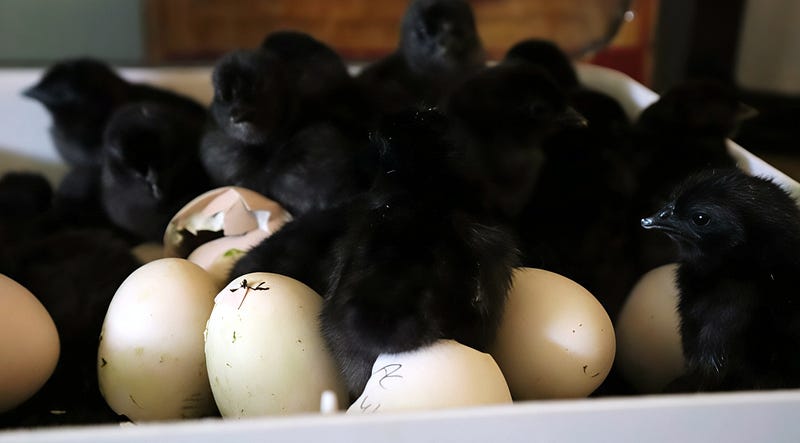
A glance at an Ayam Cemani feels almost unreal. From beak to bones, feathers to internal organs, this bird is drenched in black, a phenomenon called fibromelanosis caused by a genetic mutation that floods tissues with melanin. Even the tongue is a shadowed slate. Adults weigh around 4.4 pounds, which is approximately 2 kilograms, while hens average 3.3 pounds, or about 1.5 kilograms. Their life cycle mirrors other chickens: eggs incubate for about twenty-one days, and the birds reach maturity in five to six months. Yet their stark coloring and regal carriage make them appear otherworldly.
Ecology and Sustainable Practices
Native to the volcanic soils and dense green canopies of Java, the Ayam Cemani thrives in warm, humid environments. Smallholder farmers in Indonesia often keep them alongside more common breeds, their presence woven into village life and traditional rituals. They do not migrate or impact ecosystems as invasive species, but their rarity means conservation-minded breeding programs are essential. Sustainable practices encourage genetic diversity while protecting local cultural landscapes where these birds are more than livestock — they are living heirlooms.

Uses and Economic Value
In the world of rare poultry, the Ayam Cemani is a black pearl. Prices for fertile eggs and breeding pairs can be staggering, often commanding hundreds of dollars per bird in Western markets. Beyond mere novelty, they represent a niche economy for small farms catering to collectors, chefs, and cultural enthusiasts. Their economic relevance lies in exclusivity, and with that comes the responsibility of careful breeding to avoid inbreeding and to maintain robust genetic stock.
Culinary Aspects and Cultural Resonance
The flavor of Ayam Cemani meat is often described as lean and slightly gamey, with a texture closer to pheasant than supermarket chicken. In Indonesia, it carries mystical associations and is sometimes served at ceremonies meant to bring luck or ward off misfortune. The jet-black meat, once cooked, appears a deep purplish hue, creating a dramatic presentation. In Western kitchens, it is often braised gently, simmered with aromatics like lemongrass and galangal, or roasted slowly to preserve moisture. A whole bird, when prepared, feels like a feast steeped in centuries of tradition.
Wine Pairings for a Dark Delicacy
To complement the rich, game-like notes of Ayam Cemani, a medium-bodied red wine offers harmony without overwhelming the palate. A Pinot Noir, with its soft tannins and bright berry finish, dances well with the earthy depth of the meat. A Syrah or Shiraz, with hints of black pepper and smoke, underscores the bird’s savory qualities. For those preferring white, an oaked Chardonnay with creamy undertones can balance the lean texture beautifully.
Conclusion: A Bird of Legend and Legacy
The Ayam Cemani is more than a curiosity. It is a living intersection of culture, biology, and culinary art. From Java’s ritual fields to global gourmet tables, it reminds us that even in an age of mass production, there is still reverence for the extraordinary. To encounter this bird is to glimpse the poetry hidden in our food systems, where sustainability meets rarity and heritage takes wing in shades of midnight.