The Ocean’s Eternal Wanderers: A Journey into the World of Noddies
Introduction
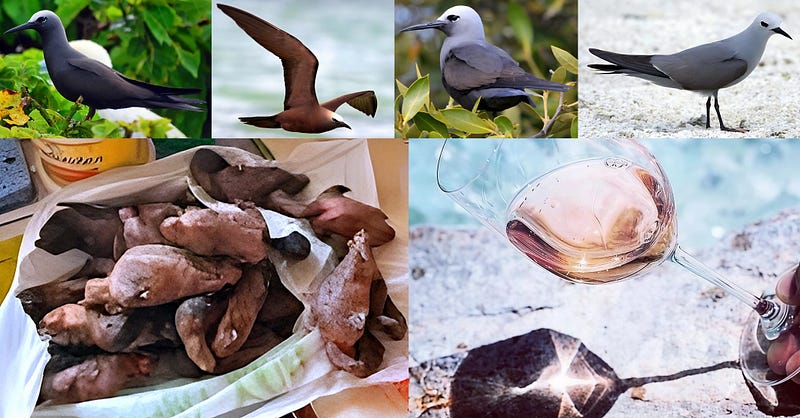
Introduction
Across the vast blue deserts of the world’s oceans, small dark seabirds trace invisible highways that mariners once relied upon to find land. These are the noddies — members of the genus Anous. With their dusky plumage, sharp flight, and haunting calls, noddies are often overlooked in favor of their more flamboyant relatives like terns or gulls. Yet, these birds are ancient navigators, cultural touchstones, and even historical food sources. Exploring their biology, ecology, and human connections reveals a story as layered as the seas they inhabit.
Taxonomy
Noddies belong to the family Laridae, alongside gulls and terns. The genus Anous includes five recognized species: the brown noddy (Anous stolidus), the black noddy (Anous minutus), the lesser noddy (Anous tenuirostris), the blue noddy (Anous ceruleus), and the gray noddy (Anous albivitta). While their plumage ranges from smoky gray to inky black, all share an elegant, streamlined body and a distinctive pale cap. Common names often reflect subtle color differences, but in many island cultures, they are simply “noddies” — a reflection of their peculiar head-bobbing courtship gestures.
Biology
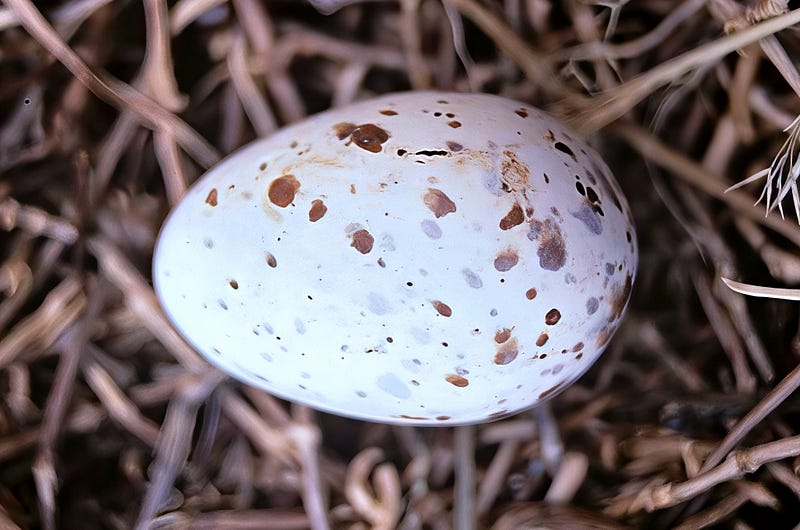
At first glance, a brown noddy might appear plain — draped in chocolate-brown feathers with a silvery crown. But look closer, and you see a perfectly adapted pelagic bird. Measuring about 15 in (38 cm) long with a wingspan of 30 in (76 cm), noddies have long, slender wings and wedge-shaped tails designed for endurance over open seas. They nest in colonies, sometimes numbering in the tens of thousands, laying a single mottled egg per breeding cycle. Parents share incubation duties, swapping shifts with a characteristic bow of the head — hence the name “noddy.” Their diet consists primarily of small fish and squid, which they snatch in quick, shallow dives rather than plunging deeply like other terns.
Ecology
Noddies are children of the tropics. They breed on remote islands across the Pacific, Atlantic, and Indian Oceans, often sharing nesting grounds with frigatebirds, boobies, and tropicbirds. Their colonies can dramatically shape island ecosystems. By depositing guano — rich in nitrogen and phosphorus — they fertilize sparse soils, enabling lush vegetation growth that in turn supports insects and reptiles. However, noddies face conservation pressures. Introduced predators such as rats and cats decimate eggs and chicks, while rising sea levels threaten low-lying nesting atolls. Sustainable conservation now hinges on the eradication of invasive species and the careful protection of breeding habitats.
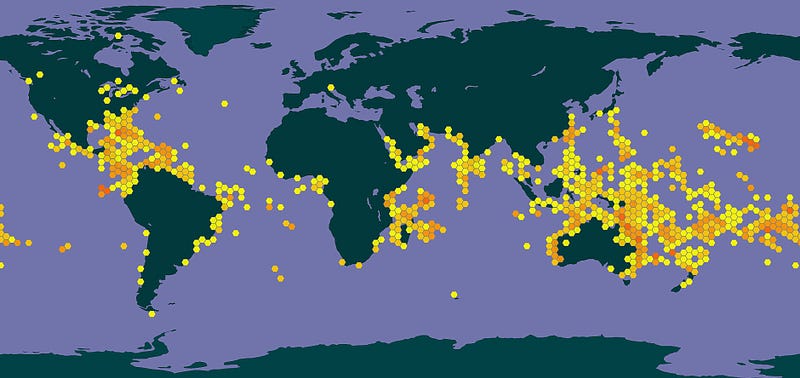
Uses
Historically, noddies had practical value to humans beyond their ecological role. Sailors of the Age of Exploration noted that noddies rarely flew far from land, making them living compasses for navigation. Island communities collected their eggs, prized for their rich nutrition, and sometimes harvested the birds themselves. A noddy weighs around 7 oz (200 g) — not a feast, but a reliable protein source in scarcity. Today, their direct economic role is minimal, yet ecotourism on islands where noddies nest has given them renewed value, showcasing seabirds as symbols of a sustainable blue economy.
Nauru is a tiny island nation in the Pacific, once rich from phosphate mining but now facing economic and environmental challenges. It has no official capital and fewer than 15,000 residents. One of Nauru’s traditional foods is the Noddy bird (darrar). Locals fry it like chicken — rich, gamey, and deeply tied to island heritage.
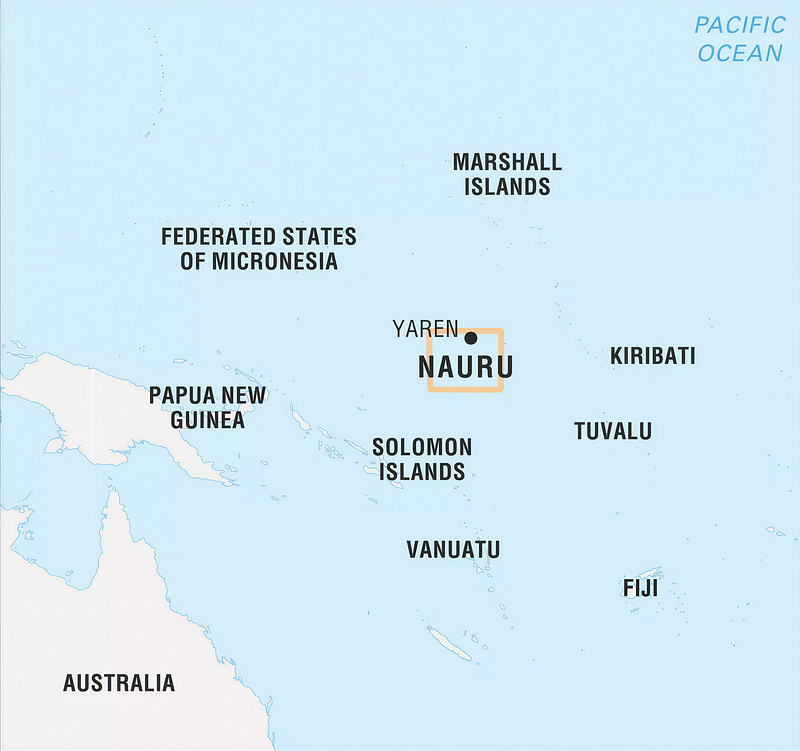
Culinary Aspects
On Nauru, black noddy seabirds were traditionally caught using nets and served as a food source, but this practice has declined. Historically, hunters netted birds at night, sometimes using imitated calls. Modern methods include recorded calls via loudspeakers. After being caught, birds were defeathered, and parts like the chest and kidneys were consumed, while heads were discarded. Cooking methods included grilling or frying. Declines in noddy populations stem from habitat loss due to phosphate mining, overhunting, and economic shifts towards imported foods. These factors have reduced reliance on traditional food sources, diminishing the practice of hunting noddy birds.
The taste of noddy eggs has been described as intensely rich, more pungent than a chicken egg, with a deep yolk favored in baking and custards. Prepared simply — boiled or roasted — they provided sustenance to generations of Pacific islanders. The flesh of adult noddies, though lean and somewhat fishy, was sometimes stewed or smoked. Nutritionally, noddy eggs were a powerhouse: high in protein, healthy fats, and essential vitamins. While modern conservation rules limit or prohibit harvesting, their culinary history remains part of island heritage.
Wine Pairings
If one were to imagine reviving traditional noddy-based cuisine for a contemporary table, the natural partner would be crisp, ocean-forward wines. A Sauvignon Blanc from Marlborough, New Zealand, with its briny minerality and citrus notes, would cut through the richness of noddy eggs. For stewed noddy meat, a chilled rosé from Provence, with its balance of acidity and fruit, would soften the gaminess without overwhelming the delicate flavors. These pairings remind us how seabirds, sea, and vine can converge in a single sensory experience.
Conclusion
The noddy is more than a dark bird winging across a tropical horizon. It is a biological marvel, an ecological engineer, a historic food source, and a cultural guide. Though no longer central to human diets, noddies remain a symbol of resilience in fragile island ecosystems. To honor them is to honor the ancient rhythm of ocean life — and to remind ourselves that even the humblest seabird carries the weight of history, culture, and sustainability upon its wings.