The Orange-Spotted Spinefoot: A Jewel of Coral Seas and Coastal Tables
Introduction
Introduction
The sea is a storyteller, and among its vibrant cast is the orange-spotted spinefoot, Siganus guttatus. Shimmering with golden markings and living in schools that sway like liquid sunlight, this fish bridges worlds: it is a keystone of coral reef ecosystems, a staple in regional fisheries, and a delicacy on many dinner tables. To know the spinefoot is to understand the interwoven strands of biology, culture, and sustainability that bind coastal communities to the sea.
Taxonomy
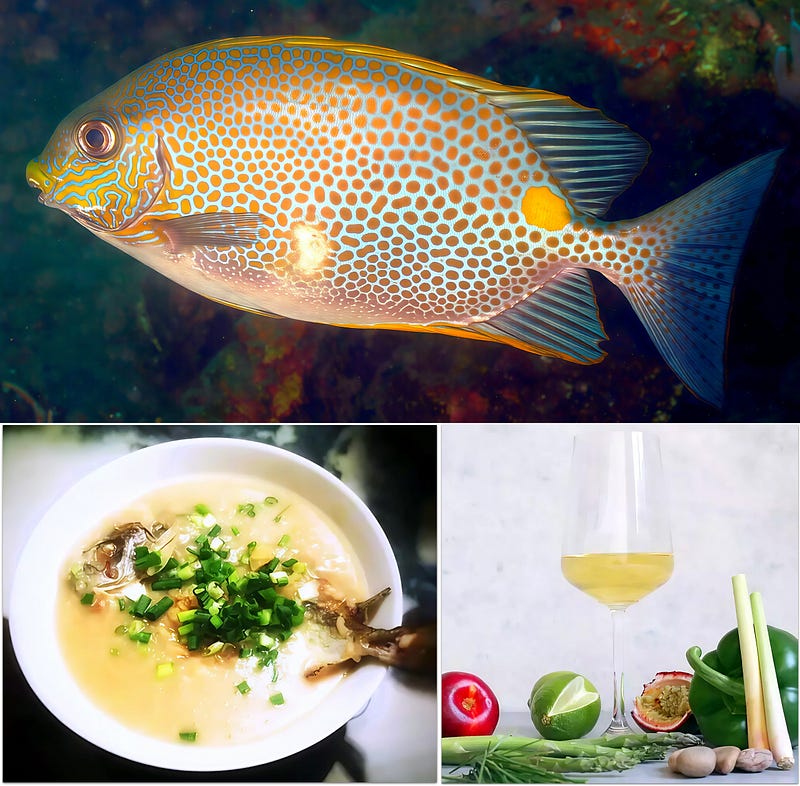
The orange-spotted spinefoot belongs to the family Siganidae, known collectively as rabbitfishes for their gentle, rabbit-like mouths. Its scientific name, Siganus guttatus, sets it apart as one of about 29 species in the genus Siganus. Common names vary by region: “spinefoot” for its venomous fin spines, “rabbitfish” in English, and “danggit” in parts of the Philippines. Unlike some close relatives, S. guttatus has distinctive orange or golden blotches along its silvery body, a trait that makes it unmistakable in the waters it calls home.
Biology
This species is a marvel of subtle adaptation. Adult spinefoots typically grow to 40 cm (about 15.7 in), with the largest reaching 45 cm (17.7 in). Their bodies are laterally compressed, perfectly suited for weaving among corals and seagrass beds. Sharp spines along the dorsal and anal fins contain venom, a natural defense against predators. The spinefoot is herbivorous, feeding primarily on benthic algae, and its grazing helps prevent algal overgrowth on coral reefs. Spawning follows lunar cycles, with eggs released in synchronized bursts that ensure survival by sheer abundance.
Ecology
The orange-spotted spinefoot thrives in shallow coastal zones, lagoons, and estuaries across the Indo-Pacific, from the Bay of Bengal to northern Australia. In these habitats, it plays a vital ecological role by trimming algae that would otherwise smother corals. Its presence is a barometer of reef health, and overfishing can disrupt the delicate balance between algae and coral. Climate change, too, places pressure on this balance, with warming seas and habitat loss threatening both the fish and the ecosystems it sustains.

Uses
Economically, S. guttatus is highly valued. Artisanal fishers throughout Southeast Asia catch it with traps, nets, and hook-and-line methods. Aquaculture has also embraced the species, as it adapts well to farming in brackish ponds and sea cages. Its resilience, herbivorous diet, and strong market demand make it an attractive candidate for sustainable aquaculture models. The fish fetches a good price in local markets, supporting both livelihoods and food security.
Culinary Aspects
On the plate, the orange-spotted spinefoot is prized for its delicate, slightly sweet flesh. Whole fish are often grilled or fried, with skin crisping to a golden finish while the flesh remains moist. In Southeast Asian cuisines, it may be simmered in tamarind-based broths, baked in banana leaves with spices, or paired with chili and lime to highlight its natural flavors. A 200 g (7 oz) portion provides lean protein and is low in fat, with beneficial omega-3 fatty acids that support cardiovascular health.
Wine Pairings
Pairing wine with this fish requires balance. Its mild yet distinct flavor shines alongside crisp whites such as Sauvignon Blanc, whose acidity cuts through the richness of frying oils and complements citrus-forward preparations. A dry Riesling, with its subtle minerality, enhances herbal notes when the fish is steamed or grilled. For those who prefer reds, a light Pinot Noir offers just enough fruitiness without overwhelming the fish’s gentle taste.
Conclusion
The orange-spotted spinefoot is more than a fish — it is an ecological gardener, an economic ally, and a culinary delight. Its golden-spotted body glimmers as a reminder of the delicate ties between sea and society. To protect Siganus guttatus is to safeguard both coral reefs and the coastal traditions that have thrived alongside them. In every bite, every net haul, and every shimmering school, the story of this species speaks of interdependence and the need for stewardship in a warming, crowded world.