The Origin of America’s Left-Wing Propaganda
The origins of left-wing perspectives in America, often framed by critics as “propaganda,” are deeply rooted in the nation’s history…
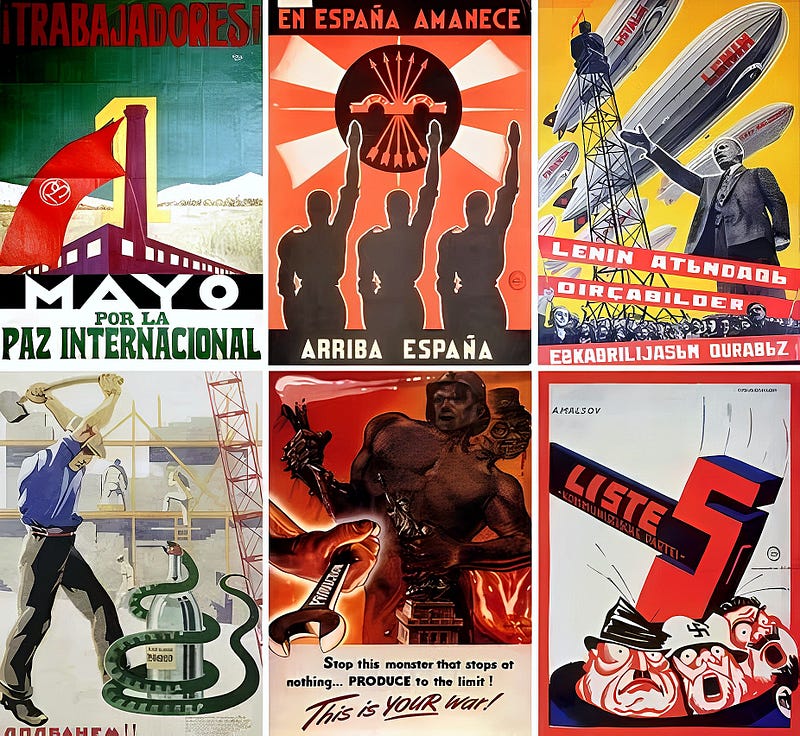
The origins of left-wing perspectives in America, often framed by critics as “propaganda,” are deeply rooted in the nation’s history, evolving through distinct eras shaped by idealism, repression, and adaptation. Early seeds emerged not from foreign ideologies, but from indigenous strands of religious communalism and resistance to inequality. Groups like the Labadists in the late 17th century and the Shakers established communities based on shared property and labor, directly challenging the emerging capitalist individualism. Simultaneously, the fervent moral arguments of Quaker abolitionists like Anthony Benezet linked the sin of slavery to systemic greed, while popular uprisings like Bacon’s Rebellion saw multiracial coalitions protest elite corruption, laying foundational rhetoric against economic injustice.
The 19th century witnessed a significant shift with the arrival of European socialist and anarchist thought, primarily brought by German immigrants fleeing the failed revolutions of 1848. Figures like Joseph Weydemeyer introduced Marxism through publications such as Die Revolution, though early efforts struggled to connect with English-speaking workers. The later formation of the Socialist Labor Party exposed deep ideological rifts between Marxists advocating union action and Lassalleans focused on electoral politics, hindering cohesive messaging. Anarchist movements, galvanized by events like the Haymarket Riot, faced intense media vilification, while the Industrial Workers of the World pioneered powerful, mobile propaganda through pamphlets and songs, rallying marginalized workers with slogans like “An injury to one is an injury to all!”
The early 20th century marked a peak of influence followed by severe repression. Eugene Debs led the Socialist Party to significant membership and electoral success, operating a vast network of multilingual newspapers. However, World War I triggered a devastating state crackdown. The Espionage and Sedition Acts were weaponized to jail Debs, ban socialist publications, and deport radicals like Emma Goldman, crippling the movement. Despite this, the Communist Party USA gained traction during the Great Depression, leading mass protests and union drives with propaganda focused on anti-fascism and racial justice, though revelations about Soviet atrocities later caused internal fractures.
The post-WWII era saw the rise of the New Left, pivoting from class-based struggle towards identity politics and anti-establishment critique fueled by the Civil Rights and Anti-Vietnam War movements. Groups like SNCC and SDS utilized participatory media — underground newspapers, protest music, and powerful oratory — to link imperialism abroad with racism and inequality at home, exemplified by Martin Luther King Jr.’s “Beyond Vietnam” speech. However, the consolidation of professional, corporate-aligned journalism marginalized radical voices, a trend amplified by the rise of conservative media empires like Fox News framing mainstream outlets as liberally biased.
Modern left-wing perspectives navigate a fragmented, digital landscape. An asymmetric media ecosystem exists where right-wing outlets often form insular disinformation networks, while left-leaning voices range from niche publications to mainstream papers within an interconnected but diffuse space. The digital age presents new challenges: “liberal fake news” exploiting confirmation bias for profit, and the emergence of Left-Wing Authoritarianism, characterized by dogmatic intolerance conflicting with liberal ideals. Persistent structural barriers hinder unified messaging, including relentless state repression like COINTELPRO and the Smith Act, ideological splits between reformers and revolutionaries, co-optation of demands by mainstream liberalism, and a winner-take-all electoral system hostile to third parties. Despite these challenges, the core themes of economic equality, anti-racism, and anti-imperialism persist, finding renewed power when connected to mass movements, suggesting the future impact of left-wing voices depends on unifying diverse struggles against concentrated power.