The Petite Elegance of Cornish Hen: Biology, Culture, and Cuisine
Introduction
Introduction
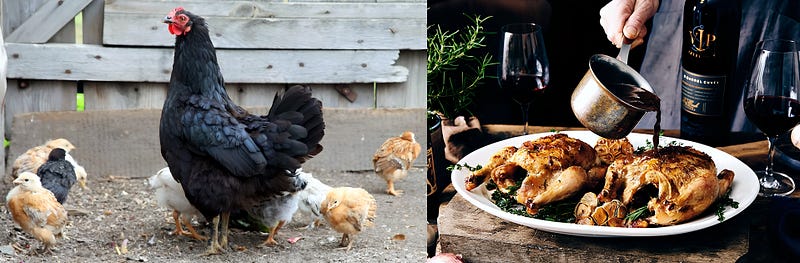
Most small whole chickens in stores are Cornish game hens, which are domesticated, not wild. They can be male or female and are a hybrid of Cornish and White Rock breeds, raised for quick growth and tender meat, typically butchered at 4 to 6 weeks for mild flavor.
The Cornish hen, more properly known as Gallus gallus domesticus in its juvenile form, holds a curious place in both biology and gastronomy. Though small in stature — typically weighing about 2.5 lb (1.1 kg) — it has traveled from the farmyard to the world’s most refined dining rooms. Its story is one of selective breeding, culinary tradition, and a modern reckoning with sustainability. To understand this bird is to discover the delicate balance between utility, flavor, and ecological responsibility.
Taxonomy
The Cornish hen belongs to the order Galliformes and family Phasianidae, which includes chickens, pheasants, and turkeys. It is not a distinct species but rather a juvenile form of the domestic chicken (Gallus gallus domesticus), specifically bred by crossing Cornish gamecocks with White Plymouth Rocks. The resulting hybrid, harvested young — usually at five to six weeks of age — produces the petite bird we know as the Cornish game hen, despite the misleading implication of wild origin.
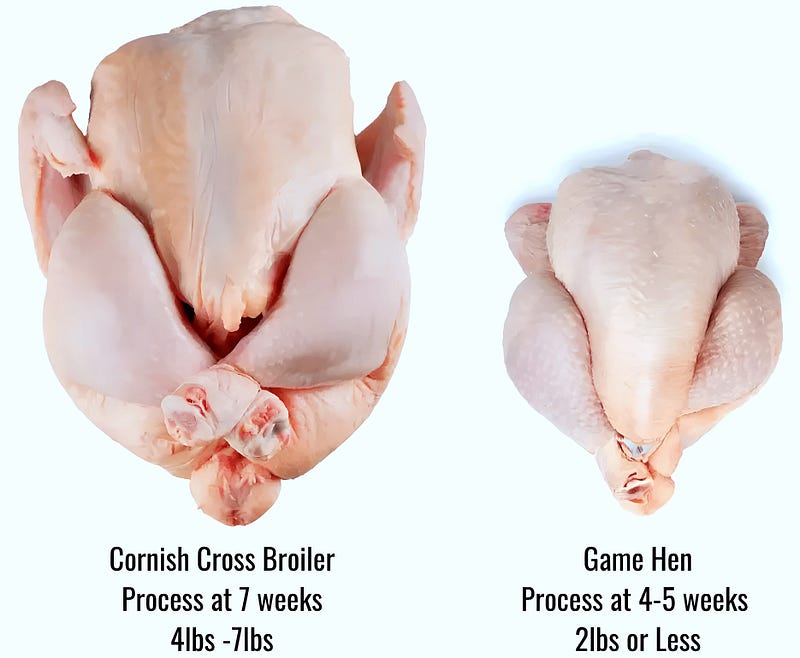
Unlike other commercial chickens that are raised to 5–6 lb (2.3–2.7 kg), the Cornish hen is processed at about half that size, ensuring tender flesh and subtle flavor. In the marketplace, the term “Cornish hen” has become synonymous with a particular dining experience: refinement in miniature.
Biology
Biologically, the Cornish hen is remarkable for its proportions. It has a broad breast, short legs, and a rapid growth rate, reaching table weight in just over a month. Its muscle fibers are finer than those of older chickens, giving the meat a delicate texture. The bird’s metabolism and energy requirements are intense during this short lifespan, which in turn influences its nutritional composition — higher water retention and a mild yet succulent flavor profile.
Its short life cycle means it rarely encounters the stresses of longer-term poultry farming, such as reproductive issues or feather wear. Instead, it embodies efficiency and tenderness born of youth.
Ecology
Domestically raised Cornish hens share the ecological footprint of industrial poultry, though at smaller individual scales. A flock may be housed in barns rather than free-range fields, fed grain-based diets, and processed in facilities designed for efficiency.
The ecological challenge lies in scale: while one hen weighs about 2.5 lb (1.1 kg), it requires nearly the same resources per bird as a standard broiler. Feed conversion ratios are efficient — around 2 lb of feed (0.9 kg) per pound of meat — but sustainability advocates question the environmental toll of grain production, water use, and confinement practices. Future farming innovations, such as regenerative feed systems or pasture-integrated models, could give the Cornish hen a more sustainable role in gastronomy.
Uses
A Cornish Cross is the breed of chicken used for most commercial meat production. A Cornish hen, however, is not a breed, but a size classification for a young Cornish Cross chicken that is harvested early. Think of it like this: A Cornish Cross is the full-grown chicken you buy in parts or for roasting, while a Cornish hen is a baby version of that same hybrid bird, processed at less than five weeks old for its tender, small size, making it a single-serving entree. The Cornish Cross is not a distinct species, but a hybrid of a domesticated chicken breed. Therefore, all chickens, including the Cornish Cross, share the scientific name of the domestic chicken: Gallus gallus domesticus.
Economically, the Cornish hen sits in a niche market. It is sold at a premium compared to standard chicken, marketed as an indulgence or festive centerpiece. Its individual size makes it ideal for single-serving presentations, which has secured its place in fine dining and holiday meals.

Chefs appreciate its uniformity and predictable portioning, while consumers value the perception of luxury. The Cornish hen is also a vehicle for culinary experimentation, with global cuisines adapting it into everything from Middle Eastern spice roasts to French-style truffled reductions.
Culinary Aspects
The flavor of Cornish hen is mild yet richer than that of larger broilers. Its skin crisps beautifully under high heat, while the flesh retains moisture. Classic preparations often involve roasting at 425°F (218°C) for about 50 minutes, producing golden skin and succulent meat. Because of its size, each diner often receives their own bird, a presentation that feels both generous and intimate.
The Cornish hen adapts well to cultural variation: stuffed with wild rice and cranberries in North America, rubbed with harissa in North Africa, glazed with soy and honey in East Asia. Nutritionally, a roasted hen offers about 30 g of protein per serving, with modest fat content and high bioavailability of essential amino acids.

Wine Pairings
The Cornish hen’s delicate yet slightly gamey profile invites nuanced wine pairings. A crisp Sauvignon Blanc, chilled to 45°F (7°C), amplifies citrus notes that cut through roasted skin. Pinot Noir, served at 60°F (15.5°C), provides earthy balance to herb-rubbed hens. For richer preparations with cream or truffle, a Chardonnay aged in oak offers buttered roundness to complement the bird’s tender meat. Sparkling wines, especially dry Champagne, add celebratory brightness that pairs with both the dish and its occasion.
Conclusion
The Cornish hen is more than a miniature chicken; it is a cultural artifact of selective breeding, a symbol of culinary refinement, and a test case in sustainable poultry farming. Its presence at the table asks us to reflect on scale, indulgence, and responsibility. The bird reminds us that the smallest creatures often carry the largest questions — about what we eat, how we raise it, and how we might craft a future where delicacy and sustainability coexist.