The Philosophy of Humor of Charlie Chaplin
Charlie Chaplin’s philosophy of humor was a profound blend of social critique, humanism, and emotional alchemy, transforming personal…
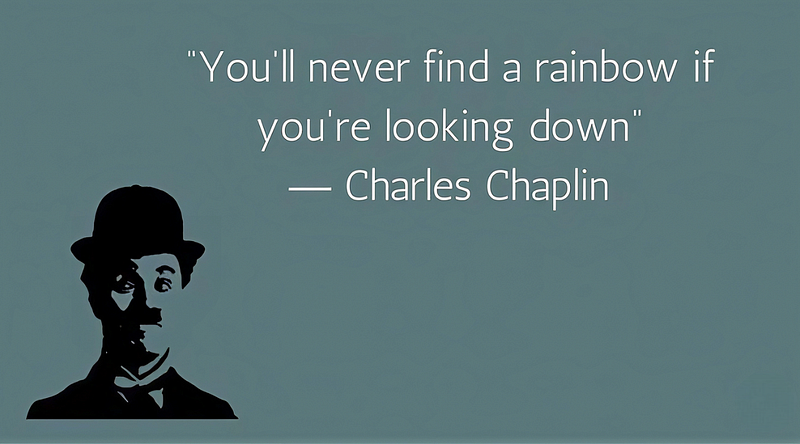
Charlie Chaplin’s philosophy of humor was a profound blend of social critique, humanism, and emotional alchemy, transforming personal suffering into universal comedy. His approach transcended mere slapstick, using laughter as a tool for empathy, resistance, and existential reflection.
Chaplin weaponized humor to expose societal injustices, particularly class struggle and dehumanization. His iconic “Tramp” character — a perpetually impoverished yet dignified underdog — embodied the resilience of the marginalized. In Modern Times, factory workers are fed by automated machines, satirizing industrialization’s erosion of human agency. The Pilgrim used steerage passengers fighting over slop bowls to critique systemic cruelty, forcing audiences to laugh at their complicity in inhumanity. For Chaplin, comedy revealed the absurdity of power structures.
He believed humor and sorrow were inseparable. His films masterfully pivoted from hilarity to heartbreak, exemplified by City Lights, where a blind flower girl unknowingly splashes the Tramp with water — first tender, then absurd — culminating in her recognizing him as a destitute benefactor, reducing viewers to empathetic tears. He encapsulated this in his axiom: “Life is a tragedy in close-up, but a comedy in long-shot.” Suffering, when framed with distance, becomes survivable — even laughable.
The Tramp’s childlike innocence and resilience — oversized pants, tiny hat, makeshift elegance — invited immediate audience identification. Chaplin leveraged this bond to humanize poverty. In The Gold Rush, the Tramp boils his shoe for dinner, savoring laces like spaghetti, transforming starvation into a whimsical act of defiance. By making the Tramp a global symbol, Chaplin proved that humor could universalize struggle, bridging cultural divides.
Chaplin rejected “cruel humor” that mocked the vulnerable. Instead, his gags critiqued oppressors: tyrannical bosses, fascists, and corrupt elites. His comedy followed Henri Bergson’s principle that “laughter speaks to pure intelligence,” provoking thought alongside joy. As film critic Al Capp noted, Chaplin made audiences “sorrow at man’s inhumanity by making them pity themselves.”
His characters subverted authority through absurdity. The Tramp outwitted policemen, millionaires, and machines not with violence, but with wit and grace. The Great Dictator’s climactic speech — where Chaplin abandons character to plead for human kindness — declared: “More than machinery, we need humanity.” This optimism, rooted in his impoverished London childhood, framed laughter as a weapon against despair.
Chaplin’s political humor cost him his U.S. residency. His satire of fascism and capitalism led to accusations of communism, exile in 1952, and lifelong persecution. Yet, his philosophy endured: “Failure is unimportant. It takes courage to make a fool of yourself.” The Tramp’s final walk into the horizon in Modern Times — rejecting industrial society for an uncertain future — remains a testament to Chaplin’s faith in human resilience.
Chaplin’s genius lay in synthesizing personal trauma into art that laughed with, not at, the marginalized. His humor was subversive, empathetic, alchemical, and hopeful. As he reflected: “A day without laughter is a day wasted” — a creed that turned suffering into solidarity, one frame at a time.