The Ruby Thorn: Unveiling the Secrets of Barberry (Berberis vulgaris)
Introduction In the hedgerows of Europe and the sun-warmed slopes of western Asia, a shrub with scarlet jewels and spiny defiance has…
Introduction
In the hedgerows of Europe and the sun-warmed slopes of western Asia, a shrub with scarlet jewels and spiny defiance has thrived for centuries. The barberry, Berberis vulgaris, is a plant that marries beauty with tenacity, its tart, crimson berries as famous for their culinary zing as for their medicinal past. Once both revered and reviled — banned in some regions for its role in spreading wheat rust — this hardy shrub has staged a quiet renaissance, finding a new place in sustainable agriculture, global gastronomy, and modern herbalism. Its story is one of toughness, flavor, and an unassuming elegance that belies its thorny armor.
Taxonomy
Berberis vulgaris belongs to the family Berberidaceae, a group of roughly 500 species distributed across temperate and subtropical zones. Common names include European barberry and common barberry, while in Persian culinary tradition, it is known as zereshk. Though Berberis vulgaris is the most widely recognized edible variety, related species such as Berberis aristata (Indian barberry) and Berberis thunbergii (Japanese barberry) are notable for ornamental value or traditional medicine rather than widespread culinary use.

Biology
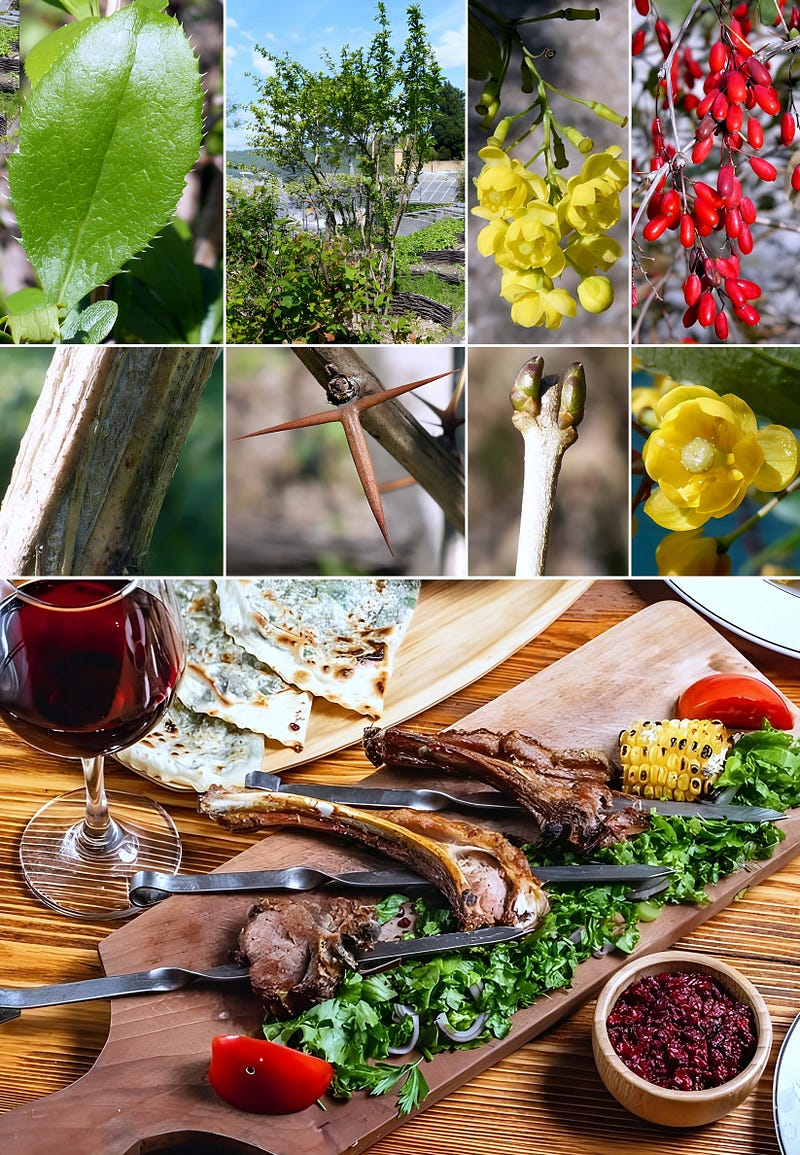
Barberry is a deciduous shrub that typically reaches 2 to 3 m in height, with arching branches clad in sharp, triple-branched thorns. Its oval, serrated leaves emerge in small clusters, turning golden in autumn. In late spring, the plant produces clusters of bright yellow, fragrant flowers that lure pollinators with both color and scent. By late summer to early autumn, these blossoms give way to elongated, oblong berries, each about 1 cm long, ripening to a lustrous red. The berries are rich in vitamin C and contain the alkaloid berberine, known for its antimicrobial properties. Its life cycle follows a steady rhythm: a surge of floral display in May and June, fruiting in September, and a dormant winter period when the leafless, thorn-studded branches stand like a skeletal sculpture.
Ecology
Barberry thrives in well-drained soils and tolerates both calcareous and slightly acidic conditions. It often occupies forest edges, hedgerows, and rocky slopes, providing nectar for pollinating insects and fruit for birds in late autumn. Historically, Berberis vulgaris was considered an agricultural threat, as it serves as an alternate host for the wheat stem rust fungus. This led to widespread eradication campaigns in the 19th and 20th centuries across Europe and North America. Modern plant health measures and controlled cultivation have mitigated this risk, allowing barberry to be grown in managed environments. Its ecological role as a food source for wildlife and as a stabilizer for erosion-prone soils now makes it a valuable element in biodiversity-friendly landscaping.
Uses
Barberry’s uses extend from ornamental hedging to functional medicine. The plant’s bark, roots, and berries have been employed in traditional medicine for digestive support, liver health, and immune function, owing largely to berberine’s pharmacological effects. Economically, the dried berries — lightweight and easy to transport — are traded internationally, particularly from Iran, where harvests can exceed 4,500 metric tons annually (about 9.9 million lbs). The shrub’s drought tolerance and minimal maintenance requirements make it an attractive option for sustainable agricultural systems in arid or marginal lands.
Culinary Aspects
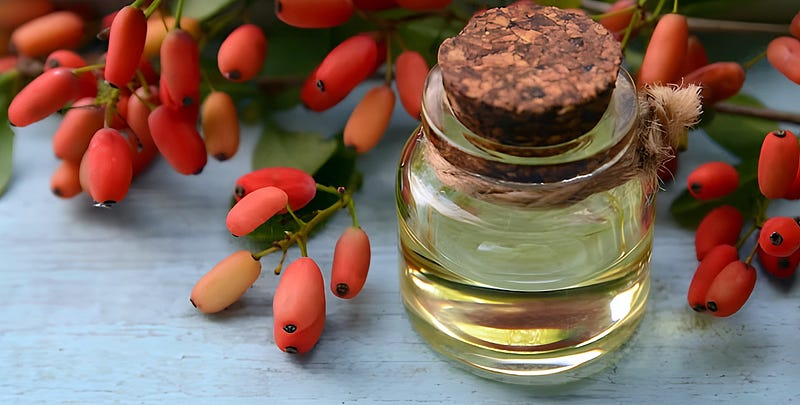
The berries of Berberis vulgaris are renowned for their intensely tart flavor, a concentrated burst of citrusy sharpness balanced by subtle sweetness when dried. In Persian cuisine, they are a hallmark ingredient in dishes like zereshk polo, where the berries’ acidity cuts through the richness of saffron-infused rice and roasted meats. Across Eastern Europe, barberries have found their way into jams, syrups, and confections. Before use, the dried berries are typically rinsed and briefly sautéed in butter or oil, which softens them and mellows their tang. Nutritionally, they are a modest but valuable source of vitamin C, fiber, and polyphenols, contributing both to flavor and health.
Wine Pairings
The tang of barberries calls for wines that can either mirror their acidity or counterbalance it with a touch of sweetness. A dry Riesling, with its vibrant acidity and stone fruit notes, aligns beautifully with barberry-infused rice or poultry dishes. For richer meats such as lamb with barberry glaze, a medium-bodied Pinot Noir offers red berry undertones that echo the fruit while soft tannins keep the pairing harmonious. In dessert contexts, a late-harvest Gewürztraminer, with its lychee and rose notes, creates a sumptuous contrast to barberry tarts or syrups.
Conclusion
Barberry’s journey — from medieval medicine chest to banned agricultural outcast to modern culinary and ecological asset — is a reminder that tenacity often grows in unexpected places. With its ability to thrive in poor soils, its role in sustaining pollinators and wildlife, and its unmatched flavor profile, Berberis vulgaris offers a lesson in adaptation. In an age seeking balance between tradition and sustainability, this thorn-crowned bearer of ruby fruit proves that heritage plants can still shape the future of our fields and our tables.