The Philosophy of Humor of Monty Python’s Flying Circus
Monty Python’s Flying Circus didn’t just sketch comedy — it drafted a manifesto for confronting existence’s void with a rubber chicken…
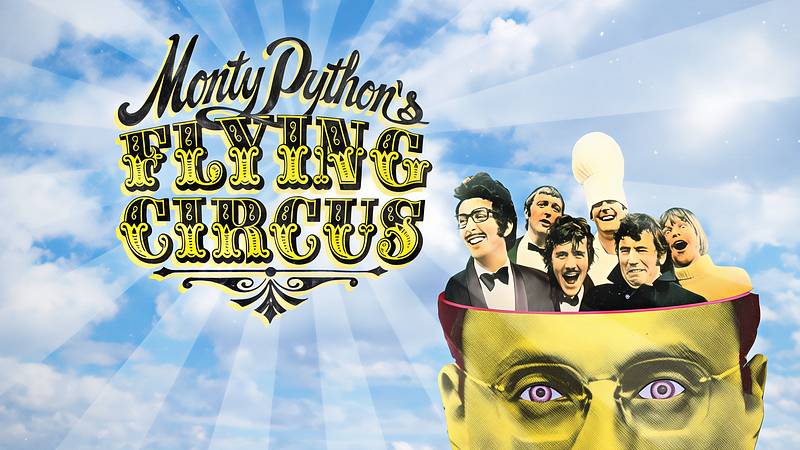
Monty Python’s Flying Circus didn’t just sketch comedy — it drafted a manifesto for confronting existence’s void with a rubber chicken. Their humor, steeped in Oxbridge intellect and avant-garde daring, weaponized absurdity to dissect authority, logic, and the cosmic joke of human purpose. As John Cleese reflected on traditional ceremonies: “I thought it was a Python sketch.” This encapsulates Python’s genius: revealing the arbitrary solemnity beneath society’s rituals. Their philosophy intertwines intellectual absurdism, structural anarchy, and existential defiance.
Python merged highbrow philosophy with lowbrow silliness, demanding audiences recognize the universe’s indifference. The “Galaxy Song” reduced human significance to a cosmic punchline: “Just remember that you’re standing on a planet that’s evolving and revolving at nine hundred miles an hour…” Mrs. Brown’s eerie calm as officers harvest her husband’s liver — “he signed one of those silly cards” — mirrored Camus’ absurd resignation. Yet Python rejected defeatism. Their sketches lampooned intellectual pretension while affirming that laughter disarms dogma, as in the “Philosophers’ Football Match”: “Heidegger, Heidegger was a boozy beggar who could think you under the table…”
Python’s form was their philosophy. They pioneered a “stream-of-consciousness flow,” where sketches bled into surreal animations — a talking head morphing into a fishmonger via word association. This rejected linear narratives, mirroring life’s lack of resolution. The “Argument Clinic” epitomized their meta-rebellion. A man paying for quarrels is told, “No it isn’t!” when demanding real debate, exposing how institutions monetize futility. Their “anti-punchline” ethos — like ending sketches mid-scene with a narrator declaring them “too silly” — mocked humanity’s craving for closure.
Python’s bullseye was the authority’s papier-mâché grandeur. The “Spanish Inquisition” tortured victims with cushions and a “comfy chair,” revealing institutions as inept enforcers of arbitrary rules. Monty Python and the Holy Grail weaponized this, with Arthur’s coconut-clopping steed undercutting medieval pomp. A peasant heckles: “Where’d you get the coconuts? This is a temperate zone!” This wasn’t nihilism but Camusian revolt: defying absurdity through joyful mockery. Even The Meaning of Life’s existential quandary — “Well, what is the cost?” — ended not with answers but a tossed-aside card: “Try and be nice to people…” Python’s message? Meaning emerges not from dogma but from the struggle itself.
Their brilliance sprouted from “creative friction.” Python never “dumbed down” references, trusting viewers to untangle Kierkegaardian parodies like “Mrs. Premise and Mrs. Conclusion Visit Jean-Paul Sartre.” This respect transformed audiences into co-conspirators. As Eric Idle’s waiter snarled after botching a life philosophy: “Fuck you! I’ll live my own way!” he channeled Python’s ethos: question everything, even your pontifications.
Python’s true philosophy crystallizes in Camus’ myth: one must imagine Sisyphus happy. Their sketches — whether a limbless Black Knight bawling “Tis but a scratch!” or bureaucrats singing “Every Sperm is Sacred” while selling children — invite us to chuckle into the abyss. The afterlife in The Meaning of Life admits no grand design. Yet the Pythons found joy in the roll itself. Their humor was revolt incarnate — a raspberry blown at cosmic indifference. As summed up in their final film: “It’s nothing very special. Try and be nice to people, avoid eating fat, read a good book every now and then, get some walking in…” In the echo of their laughter, Python gifted us the ultimate wisdom: absurdity isn’t a wall but a trampoline.