The Philosophy of Music of Sunn ○)))
Sunn ○))) represents a unique phenomenon in contemporary music that transcends conventional genre classifications, creating what might be…
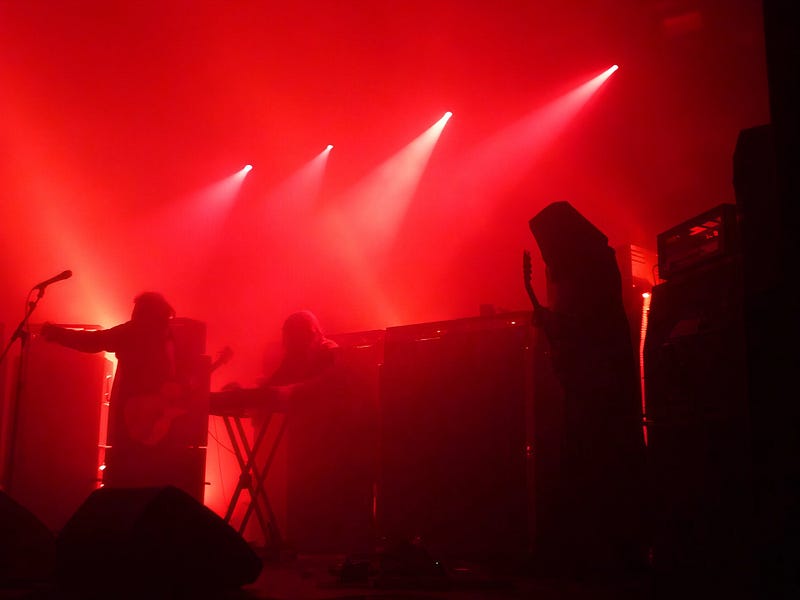
Sunn ○))) represents a unique phenomenon in contemporary music that transcends conventional genre classifications, creating what might be termed as “amplified ambience” or “power ambient” that challenges fundamental perceptions of what constitutes musical experience.
Formed in 1998 by Stephen O’Malley and Greg Anderson, the band emerged from the Seattle music scene with a radical proposition: to explore the essence of heaviness through extreme minimalism, amplification, and duration. Their philosophical approach to music-making draws from diverse traditions including drone aesthetics, metal authenticity, minimalist composition, and Eastern spirituality, creating a synthetic philosophy that 重新评估s the relationship between sound, time, and consciousness.
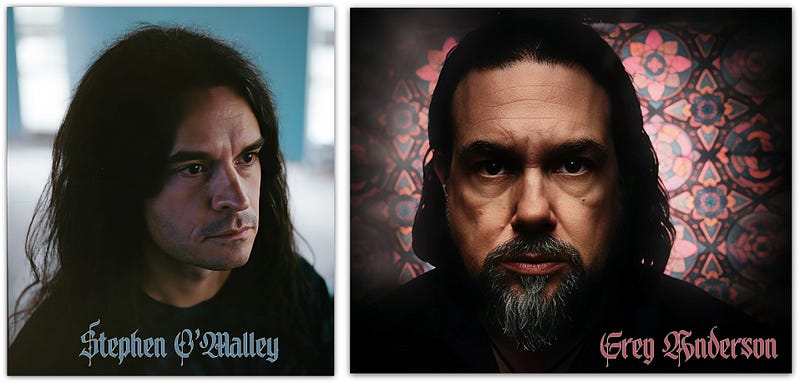
The band’s name itself — a homage to the Sunn amplifier brand — signals their philosophical preoccupation with sound as a physical phenomenon rather than merely musical convention. This represents a fundamental ontological shift in perspective: where most musicians use amplifiers to produce music, Sunn ○))) uses music to produce amplified sound experiences. Their artistic evolution over more than two decades has consistently explored the boundaries of perception, the physics of sound, and the psychology of immersion, creating what Stephen O’Malley describes as “possible instances of meditation” through sound. This story will examine the multifaceted philosophy underlying Sunn ○)))’s musical approach, analyzing how they have transformed extreme amplification into a medium for transcendental experience.

At the heart of their philosophy is a concept of sonic materialism, where sound is treated not merely as a vehicle for melody but as a physical phenomenon to be experienced viscerally. The immense low-frequency vibrations produced by their wall of amplifiers are felt as much as they are heard, creating a tangible presence that occupies space and acts upon the body. This focus on texture, harmonic resonance, and pure acoustic energy prioritizes the immersive quality of sound over traditional musical structures like rhythm or narrative progression. The drone becomes a meditative technology, using sustained tones and subtle variations to alter consciousness, induce trance states, and invite a state of deep listening and internal reflection.
This approach is inextricably linked to a spiritual and ritualistic dimension. The band’s iconic robes and the copious fog that shrouds their stages are not mere theatrics but function to create a sacred space, separating the performance from everyday experience and drawing inspiration from ancient ceremonies and diverse mystical traditions. While their work references Eastern philosophies, such as the mantric cycles on Kannon, and incorporates collaborators from Tibetan ritual ensembles, their spirituality is pragmatic and experiential rather than dogmatic. The goal is not to promote a specific doctrine but to use sound as a universal medium for transcendence, offering what they have described as a potential instance of meditation or a cathartic release from the self.

Furthermore, Sunn ○))) operates with a staunch commitment to artistic integrity and anti-commercialism. They have consistently followed a DIY ethos, controlling their music through Anderson’s Southern Lord label and presenting their work without compromise to market pressures. Their albums are crafted as art objects, with packaging that reflects the tactile and layered quality of their sound. This dedication ensures that their work remains an honest and truthful exploration of their core philosophical ideas, from the physical power of sound to its capacity for spiritual awakening. Ultimately, Sunn ○)))’s music is a philosophical practice in itself — a sustained inquiry into the possibilities of heaviness, the nature of time, and the transformative power of listening.