The Psychology of Bare-Knuckle Boxing
Bare-knuckle boxing exists at the crossroads of primal instinct and modern discipline, forging a unique psychological landscape for those…
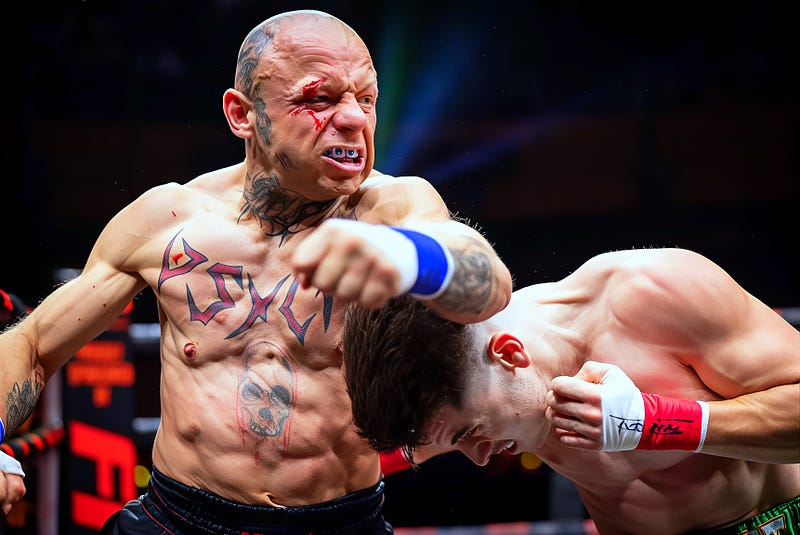
Bare-knuckle boxing exists at the crossroads of primal instinct and modern discipline, forging a unique psychological landscape for those who step into the ring. Beyond its raw physicality, the sport demands profound mental transformations and confronts fighters with deep existential questions about pain, identity, and resilience.
Fighters often undergo a fundamental shift in self-perception, embracing the archetype of the warrior as core to their being. Damaged faces and broken bones become badges of endurance, symbols of having passed through fire. For some, this controlled violence offers a path beyond past trauma — a ritualized space where suffering transforms into strength. The absence of gloves creates an arena of heightened authenticity, where courage is measured in unfiltered impacts and the willingness to endure.
This environment cultivates intense psychological adaptations. Fighters develop razor-sharp threat assessment, processing danger in microseconds. Adrenaline surges enable temporary dissociation from pain, allowing combat to continue despite injury. Paradoxically, the vulnerability of bare fists imposes a natural strategic restraint, reducing reckless force and potentially altering long-term risk profiles compared to gloved boxing.
Honor codes form the bedrock of the bare-knuckle community, governing behavior with ancient rules. Strict regulations foster a moral economy where respect is earned through adherence to shared principles. The intense, testosterone-fueled atmosphere backstage gives way to profound camaraderie and mutual recognition after battle, reinforcing tribal bonds. Fighters actively work to counter stereotypes, asserting their craft as a legitimate, professionally controlled pursuit.
The psychological impact presents a complex paradox. For many, the sport provides therapeutic agency — a channel for aggression transformed into confidence, a structured outlet offering community and somatic release often unmatched by traditional therapy, particularly for men. Yet this empowerment coexists with vulnerability. Careers are short, ending often by the early forties, leaving fighters to navigate identity loss. While some evidence suggests unique protective factors against chronic brain injury, the visible toll of facial damage and chronic pain carries its psychological weight, impacting self-image and social interaction.
Ultimately, bare-knuckle boxing centers on sovereignty over suffering. The conscious choice to endure pain becomes a powerful assertion of agency. It offers a brutal yet cathartic stage where vulnerability meets valor, and where the human spirit is tested against the most immediate physical truths. Understanding this intricate psychology is vital as the sport reclaims its place in the modern world.