The Queen of Deep Waters: Exploring the Queen Snapper (Etelis oculatus)
Introduction
Introduction
Far below the sunlit surface of the ocean, where daylight begins to blur into twilight, swims a jewel of the deep: the queen snapper. Known scientifically as Etelis oculatus, this striking fish is both a marvel of biology and a prized treasure on the table. With its vivid colors, firm flesh, and ecological role in the deep reef ecosystems, the queen snapper embodies the delicate balance between beauty, utility, and sustainability. To understand this species is to explore a story that blends science, culture, and taste.
Taxonomy
The queen snapper belongs to the family Lutjanidae, the group that includes the better-known red snapper. Its full classification is Kingdom Animalia, Phylum Chordata, Class Actinopterygii, Order Perciformes, Family Lutjanidae, Genus Etelis, Species oculatus. Unlike its more familiar relatives from shallower waters, the queen snapper inhabits much deeper zones, setting it apart in both ecology and market value. It is sometimes confused with silk snapper (Lutjanus vivanus), but its elongated body and brilliant coloration quickly reveal its identity. Regional markets often celebrate it under names like “night snapper” or “longtail snapper.”
Biology
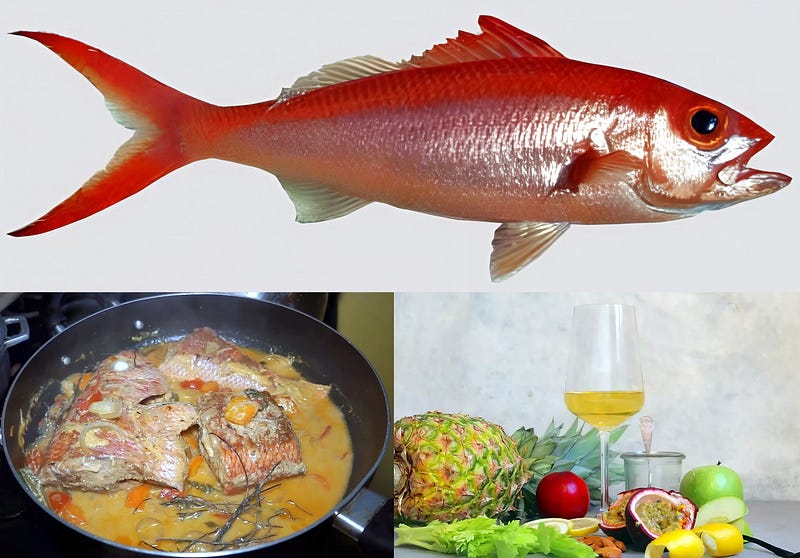
The queen snapper is a feast for the eyes even before it is one for the palate. Its body is slender and elongated, reaching lengths of up to 39 in (100 cm) and weights of around 25 lb (11 kg). Its most striking feature is its coloration: a bright, iridescent red body that shimmers like a flame in the dark depths, contrasted with large, luminous yellow eyes adapted to low-light conditions. These eyes are not just decorative; they are a biological adaptation, enabling the fish to hunt efficiently in waters as deep as 1,800 feet (550 meters). The queen snapper feeds primarily on smaller fish and squid, carving out its niche in a competitive ecosystem.
Ecology
This species inhabits the deep slopes and drop-offs of the Atlantic Ocean, particularly around the Caribbean and Gulf of Mexico. It thrives in habitats often overlooked by casual observers, where the seafloor drops away into shadow. In these ecosystems, the queen snapper plays a role as a mid-level predator, helping to maintain the balance of smaller fish populations. However, because it matures slowly and lives in relatively stable deep-sea habitats, it is vulnerable to overfishing. Conservation-minded fisheries have begun to pay closer attention to their populations, stressing the importance of catch limits and gear regulations to ensure the species remains abundant for future generations.

Uses
Economically, the queen snapper is a high-value catch, particularly in Caribbean markets and upscale restaurants in the United States. Its deepwater capture makes it more labor-intensive and costly, but its culinary reputation justifies the price. Sustainable management is essential here, as demand has risen with the global appetite for premium seafood. Efforts to implement seasonal closures and size limits reflect a growing awareness of the need to protect stocks.
Culinary Aspects
On the plate, queen snapper is celebrated for its lean, moist flesh with a mild yet distinctive flavor. Its texture is firm enough to hold up to grilling, baking, or pan-searing, yet delicate enough for ceviche or sashimi preparations. Imagine a fillet sizzling over coals, the skin crisping to a golden edge, while the meat inside remains tender and juicy. Nutritionally, a serving of queen snapper offers lean protein, omega-3 fatty acids, and essential minerals like selenium and potassium, making it both delicious and health-conscious.
In the Caribbean, it is often prepared whole, seasoned with herbs, and roasted, the brilliant red skin giving way to succulent white flesh. In fine dining contexts, chefs might serve it with citrus reductions, root vegetable purées, or tropical fruit salsas to highlight its natural sweetness.
Wine Pairings
The queen snapper’s mild, slightly sweet flavor harmonizes beautifully with crisp white wines. A Sauvignon Blanc with notes of citrus and green apple can cut through the richness of grilled fillets. A Chardonnay, lightly oaked, offers a buttery complement to pan-seared snapper with herb butter. For those who prefer bubbles, a dry sparkling wine elevates ceviche or sashimi preparations, the effervescence echoing the brightness of lime and sea salt.
Conclusion
The queen snapper, Etelis oculatus, is more than a fish — it is a reminder of how beauty, biology, and culture intersect beneath the waves. Its shimmering body tells a story of adaptation to the deep sea, its flesh reflects centuries of culinary tradition, and its economic value underscores the need for responsible stewardship. To savor queen snapper is to participate in a tradition that bridges science and taste, but to sustain it requires care and restraint. If the queen of the deep is to reign for generations to come, it must be cherished not just on the plate but in the waters it calls home.