The Secret Life of the Carpet Shell Clam: From Tidal Flats to Fine Dining
The carpet shell clam links science, cuisine, and coastal identity, its flavor shaped by centuries of tradition and balanced ecosystems. Protecting its habitats preserves both biodiversity and the cultural life woven through the world’s shorelines.
Introduction
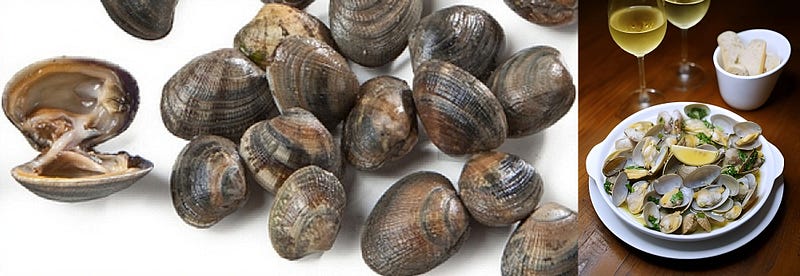
Along the shifting sands of Europe’s Atlantic shores and the sun-warmed shallows of the Mediterranean, a modest shell conceals one of the sea’s most enduring delicacies. The carpet shell clam, known to science as Venerupis decussata, is not as celebrated as oysters or mussels, yet it has fed fishermen, sustained economies, and delighted chefs for centuries. More than just a seafood staple, this clam is a story of biology, ecology, and culinary artistry — an organism that embodies the deep interconnection between marine ecosystems and human culture.
Taxonomy
The carpet shell clam belongs to the family Veneridae, a group often referred to as Venus clams, prized for their symmetrical beauty and edible flesh. Its accepted scientific name is Venerupis decussata, though it has traveled through taxonomic reshuffling under names such as Ruditapes decussatus. Known colloquially as the European clam or palourde, it holds particular esteem in French and Portuguese cuisine, where its reputation as a premium clam eclipses that of other edible varieties like the Manila clam (Venerupis philippinarum), which is more common in aquaculture.
Biology
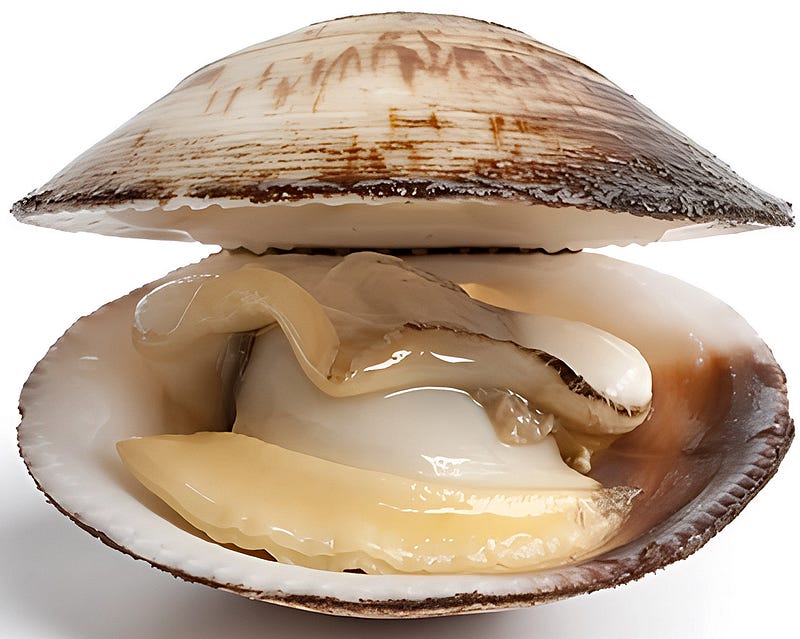
The clam’s oval shell, typically 4 to 7 cm (1.5 to 2.75 in) long, is etched with a distinctive crisscross pattern that inspired the name “decussata,” meaning crossed or intersecting. Its interior is smooth, pearly, and designed to safeguard the soft, muscular body within. Carpet shell clams filter feed, drawing in water to extract plankton and microscopic nutrients. In doing so, a single clam can filter several liters of seawater a day — up to 1.5 gal, acting as both diner and custodian of the marine environment. Their life cycle, beginning as free-floating larvae before settling into sandy or muddy beds, reflects an elegant adaptation to life in dynamic tidal zones.
Ecology
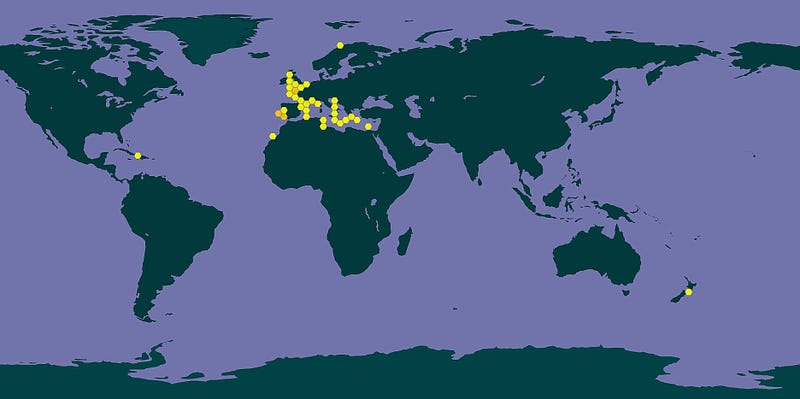
The clam thrives in intertidal flats and estuaries, often in shallow waters less than 20 m (65 ft) deep. Here, they play a vital ecological role, aerating sediments and supporting biodiversity. However, overharvesting and habitat disruption have challenged their populations. While aquaculture has turned to the faster-growing Manila clam, traditional fisheries in Spain, France, and Portugal continue to protect Venerupis decussata through careful management. Efforts to preserve native stocks highlight the growing importance of sustainable practices in shellfish harvesting, ensuring that these clams remain part of both marine ecosystems and local food traditions.
Uses
Economically, the carpet shell clam has long been a pillar of European coastal markets. In Portugal’s Algarve region, clammers wade through tidal flats at dawn, harvesting them by hand with small rakes, preserving artisanal traditions passed down for generations. Compared to the more prolific Manila clam, Venerupis decussata commands a higher price due to its slower growth and prized flavor. Its commercial value thus lies not in mass production, but in quality, heritage, and sustainability.
Culinary Aspects
In the kitchen, the carpet shell clam is revered for its delicate sweetness, firm texture, and clean, briny essence. The Portuguese dish “amêijoas à Bulhão Pato,” where clams are steamed with garlic, olive oil, lemon, and cilantro, showcases their natural flavor with poetic simplicity. In France, they star in seafood platters and soups, while in Spain, they enrich paellas with their subtle sea-kissed bite. Beyond taste, clams offer nutritional benefits: they are high in lean protein, rich in iron, zinc, and vitamin B12, and surprisingly low in fat, making them a healthy indulgence.
Wine Pairings
The best wine pairings echo the clam’s maritime purity. A crisp Albariño from Galicia mirrors the clam’s saline freshness, while a Muscadet from the Loire Valley complements their minerality, much like it does with oysters. For a Mediterranean flair, a Vermentino from Sardinia or a Vinho Verde from Portugal enhances the citrusy, herbal notes often used in clam preparations. These wines not only cut through the richness of olive oil and garlic but also highlight the clam’s quiet complexity.
Conclusion
The carpet shell clam is a small creature with a large cultural footprint. It bridges the worlds of science and gastronomy, reminding us that sustainable stewardship of the sea preserves not only biodiversity but also the flavors that define coastal identity. To savor a dish of carpet shell clams is to taste centuries of tradition, ecosystems in balance, and the enduring poetry of the ocean’s offerings.