The Secret of Salam: Unveiling the Indonesian Bay Leaf’s Botanical and Culinary Soul
A leaf that whispers history, perfume, and promise in equal measure — Syzygium polyanthum, known widely as the Indonesian Bay Leaf or…
A leaf that whispers history, perfume, and promise in equal measure — Syzygium polyanthum, known widely as the Indonesian Bay Leaf or simply Salam leaf, is far more than a humble kitchen spice. In the steamy heart of Southeast Asia’s markets, its fragrance rides the air with a subtle, woodsy sweetness. To the discerning eye, this evergreen native is not just a plant but a keeper of cultural identity and a symbol of sustainability in a rapidly changing culinary world.
A Botanical Identity Rooted in Tradition
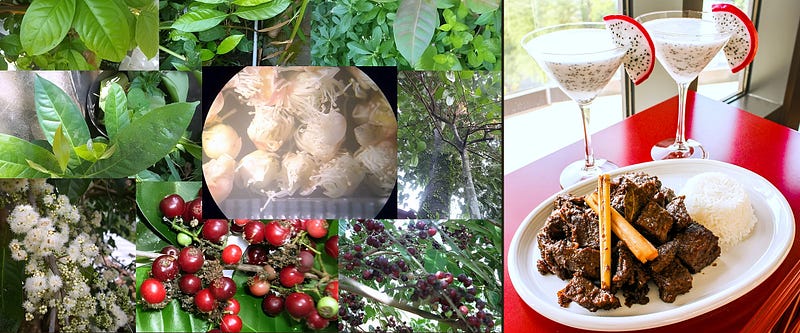
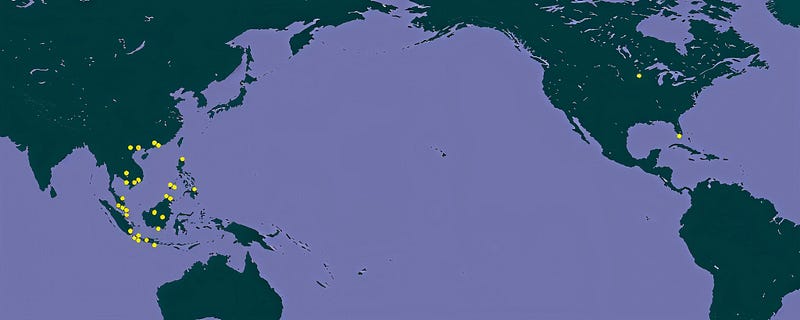
Syzygium polyanthum belongs to the family Myrtaceae, a lineage rich with aromatic powerhouses such as clove and eucalyptus. Across its range, it is called Salam in Indonesia and Daun Salam in Malaysia, names spoken with familiarity in kitchens from Sumatra to Sulawesi. There are no widely recognized subspecies, but local ecotypes vary subtly in leaf size and oil composition, a reflection of the microclimates they call home. The leaves, glossy and lanceolate, resemble Mediterranean bay leaves at first glance, yet carry a signature that is distinctly Southeast Asian.
Biology of an Evergreen Aromatic
This tree stands modestly at about forty feet, which is approximately twelve meters, though some specimens stretch taller in rich volcanic soils. Its trunk is clad in smooth, grayish bark, while the branches unfurl leaves in dense clusters, each leaf reaching about six inches, or fifteen centimeters, in length. The leaves are evergreen, renewing slowly over the year, ensuring a steady harvest. Small, star-like white flowers bloom before giving way to tiny reddish fruits that attract birds and pollinators. The leaves themselves contain essential oils rich in terpenes and flavonoids, a chemistry that gifts them both medicinal potential and culinary charm.
Ecology and the Balance of Habitat
The Indonesian Bay Leaf thrives in lowland forests, village gardens, and agroforestry plots, weaving itself into the fabric of traditional landscapes. It flourishes in warm, humid environments with annual rainfall often exceeding 78 inches, which is about two thousand millimeters. The species plays a role in soil stabilization, sheltering understory plants, and hosting a network of insects and birds that sustain biodiversity. Conservationists have noted that traditional cultivation — interspersing Salam trees among rice paddies and spice groves — helps maintain ecological balance while preventing overharvesting from the wild.
From Tree to Trade: Economic and Sustainable Value
Local economies benefit quietly yet steadily from Salam leaves. Farmers harvest them by hand, selling bundles fresh or dried in markets. The leaves are lightweight, easy to transport, and hold their aroma for months, making them a valued commodity. Demand is growing in export markets as global chefs seek authentic flavors, though the plant remains underappreciated compared to better-known spices. Cultivation integrates well into smallholder systems, offering a sustainable cash crop that requires minimal chemical input and complements larger biodiversity goals.
Culinary Alchemy in a Single Leaf
To taste a true Indonesian beef rendang or a gently simmered Soto Ayam is to encounter the Salam leaf’s artistry. When bruised and dropped into stews, its fragrance emerges slowly, a fusion of bay, cinnamon, and clove with a whisper of citrus. The flavor is never overpowering; instead, it lends a rounded depth that elevates meats, soups, and coconut-based sauces. Chefs often pair three or four fresh leaves, each roughly six inches or fifteen centimeters long, with aromatic lemongrass and galangal to build the foundation of a dish. Beyond its flavor, the leaf contributes antioxidants and mild antibacterial compounds, aligning taste with wellness.
Wine Pairings with an Eastern Flair
The dishes that host Salam leaves tend to be rich, often slow-cooked, and layered with spice. A medium-bodied Pinot Noir, served at about sixty-two degrees Fahrenheit or sixteen and a half degrees Celsius, complements beef rendang, its berry notes dancing with the leaf’s herbal complexity. For lighter broths and vegetable stews, a dry Riesling, chilled to around fifty degrees Fahrenheit or ten degrees Celsius, enhances the leaf’s subtle citrus undertones without overpowering the dish. These pairings invite a cross-cultural dialogue, marrying Old World wines with the ancient wisdom of Southeast Asian spice.
Closing Reflections on a Timeless Leaf
The Salam leaf reminds us that some of the most profound treasures in global cuisine are not loud or ostentatious. They are green, unassuming, folded into the everyday life of a people and a place. Syzygium polyanthum carries with it the whispers of forest canopies, the labor of farmers, and the heritage of countless meals that bind families together. In a world hungry for authenticity and sustainability, this leaf offers both — a small, fragrant bridge between tradition and modern culinary exploration.