The Secret Symphony of Quatre Épices
Introduction
Introduction
In the orchestra of global spices, few blends play as subtly yet commanding a role as quatre épices. “Quatre épices” is pronounced roughly as “kat-REH-pees”. The first syllable, “quatre,” is like the English word “cat” followed by a French ‘r’ sound and a brief ‘eh’ sound. The second word, “épices,” starts with a short ‘eh’ sound and ends with a clear ‘pees’ sound. Meaning “four spices” in French, this seasoning mix has been the quiet backbone of French and Middle Eastern kitchens for centuries. Unlike singular spice identities — black pepper, cinnamon, or cloves — quatre épices is about harmony, about the alchemy that happens when ingredients are combined not for dominance, but for balance. Its story is one of migration, adaptation, and sustainability, tying together botany, culinary history, and ecological awareness into a fragrant narrative.
Taxonomy
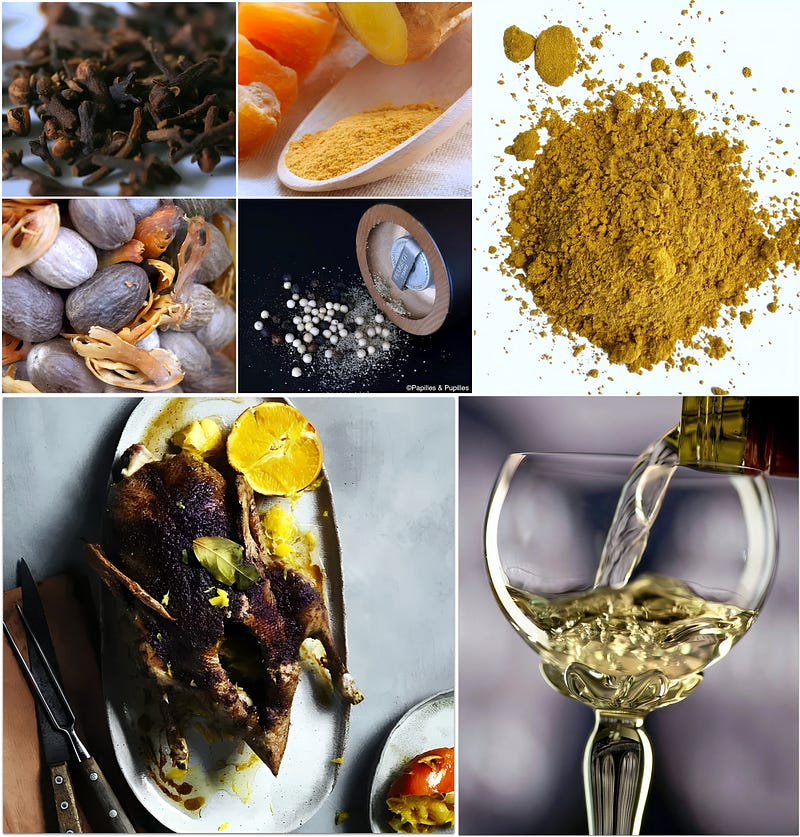
Quatre épices is not a single species but rather a composite blend. Traditionally, it consists of black pepper (Piper nigrum), cloves (Syzygium aromaticum), nutmeg (Myristica fragrans), and either ginger (Zingiber officinale) or cinnamon (Cinnamomum verum). Each of these spices has its own deep taxonomic lineage. Pepper comes from the Piperaceae family, cloves from Myrtaceae, nutmeg from Myristicaceae, ginger from Zingiberaceae, and cinnamon from Lauraceae. Variations exist depending on regional tastes: in some recipes, allspice (Pimenta dioica) replaces one of the ingredients, leading to a slightly more resinous and piquant profile.
Biology
Each spice in the quartet contributes its own unique biological character. Black pepper is a climbing vine producing berries that dry into wrinkled peppercorns. Cloves are the unopened flower buds of a tropical evergreen, harvested before blooming and dried until they harden. Nutmeg comes from the seed of a tropical tree native to the Banda Islands, its twin product being mace, the red lacy aril surrounding the seed. Ginger is a rhizome, harvested underground, known for its pungent oils and warming quality. Cinnamon, on the other hand, is the peeled inner bark of young shoots, curled naturally into quills as it dries. Each of these life cycles demands distinct climates — humid forests, volcanic islands, and subtropical groves — making the blend a geographical symphony of diverse ecosystems.
Ecology
The ecological journey of quatre épices is tied to human history and global trade. Pepper vines thrive in tropical rainforests, demanding consistent rainfall of at least 200 cm (about 79 in) per year. Clove trees grow best near coastlines with volcanic soils, while nutmeg requires shade and thrives on small islands with nutrient-rich ground. Ginger can be cultivated more broadly, from 20°C to 30°C (68°F to 86°F), making it more accessible. The ecological role of these plants is not only as human flavorings but as keystone players in their habitats: clove trees attract pollinators, nutmeg supports bird dispersal, and pepper vines entwine with forest canopies, providing cover for small species. Today, sustainability challenges arise from overharvesting, deforestation, and monoculture. Efforts are underway to create agroforestry systems where nutmeg, cloves, and pepper are intercropped to maintain biodiversity.
Uses
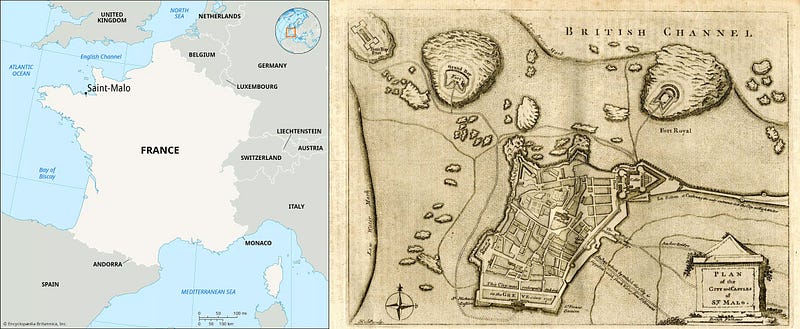
Economically, quatre épices is significant because it represents centuries of spice trade networks. The origins of quatre épices can be traced to the 17th century in the French port city of Saint-Malo, a time when trade routes brought exotic spices into France. Once a costly luxury in Europe, it is now common in both professional kitchens and household pantries. The blend is used to season pâtés, sausages, terrines, and stews in French cuisine, but it also appears in Middle Eastern dishes, particularly in Lebanon, where it flavors rice pilafs, meat dishes, and stuffed vegetables. Its market appeal lies in being a convenient yet complex flavor base, a ready-made shorthand for warmth and depth. Sustainability concerns include ensuring fair-trade sourcing, maintaining organic farming practices, and reducing the carbon footprint of global spice transport.
Culinary Aspects
On the palate, quatre épices balances warmth and sweetness with a subtle bite. Pepper provides heat, nutmeg a woody sweetness, cloves a deep intensity, and ginger or cinnamon a sharp, bright lift. In a slow-cooked beef daube, the blend reveals itself gradually, deepening with each hour of simmering. In charcuterie, it underscores the richness of pork with a fragrant counterpoint. In Middle Eastern cooking, it transforms humble lentils or chickpeas into something fragrant and exotic. Nutritionally, these spices carry antioxidants, anti-inflammatory properties, and digestive benefits, making the blend not only flavorful but healthful.
Wine Pairings
Pairing wine with quatre épices requires acknowledging its warming spice profile. A Rhône red, such as Châteauneuf-du-Pape, resonates with its earthy spice notes, while Pinot Noir, with its light body and red fruit, offers a graceful balance to rich pâtés and terrines. For poultry seasoned with the blend, an Alsatian Gewürztraminer — floral, slightly sweet, with lychee notes — harmonizes beautifully with the warming bite of cloves and nutmeg. Even sparkling wines, particularly Brut Champagne, can provide a refreshing counterpoint when quatre épices appear in lighter dishes or desserts.
Conclusion
Quatre épices is more than the sum of its parts. It represents centuries of global interaction, the careful blending of distinct ecosystems into a single seasoning, and the enduring human desire to seek harmony through flavor. As we consider sustainability and the future of global food systems, this ancient blend reminds us of the importance of balance — not just on the tongue, but in the way we cultivate, trade, and consume. To taste quatre épices is to taste history, geography, and the promise of culinary tradition carried forward responsibly.