The Silent Predator of Europe’s Waters: The Zander (The Silent Predator of Europe’s Waters: The…
Introduction
The Silent Predator of Europe’s Waters: The Zander (The Silent Predator of Europe’s Waters: The Zander (Sander lucioperca)
Introduction
In the dim, green-shadowed waters of Europe’s great rivers and lakes lurks a fish that inspires equal parts respect, curiosity, and culinary desire — the zander. Known as Sander lucioperca, this formidable predator has long fascinated anglers, chefs, and biologists alike. With its glassy eyes adapted to low light and its reputation as both a sustainable food source and an invasive menace, the zander straddles a unique place in human culture. To some, it is a treasure of freshwater cuisine; to others, a stealthy invader upsetting ecological balance. Understanding the zander means looking at it not just as a fish, but as a mirror of the ways humans shape — and consume — the natural world.
Taxonomy
The zander belongs to the family Percidae, making it a cousin of the perch (Perca fluviatilis). Its scientific name, Sander lucioperca, reflects its hybrid character: “lucioperca” evokes the pike (Esox lucius) and perch, two species it strikingly resembles. Sometimes called the pike-perch in English, it is known across Europe by local names — Zander in German, Sandre in French, and Snoekbaars in Dutch. Unlike many freshwater fish, the zander shows remarkable adaptability and has been intentionally introduced far beyond its native range, from Central Europe to the British Isles and even into parts of Asia.
Biology
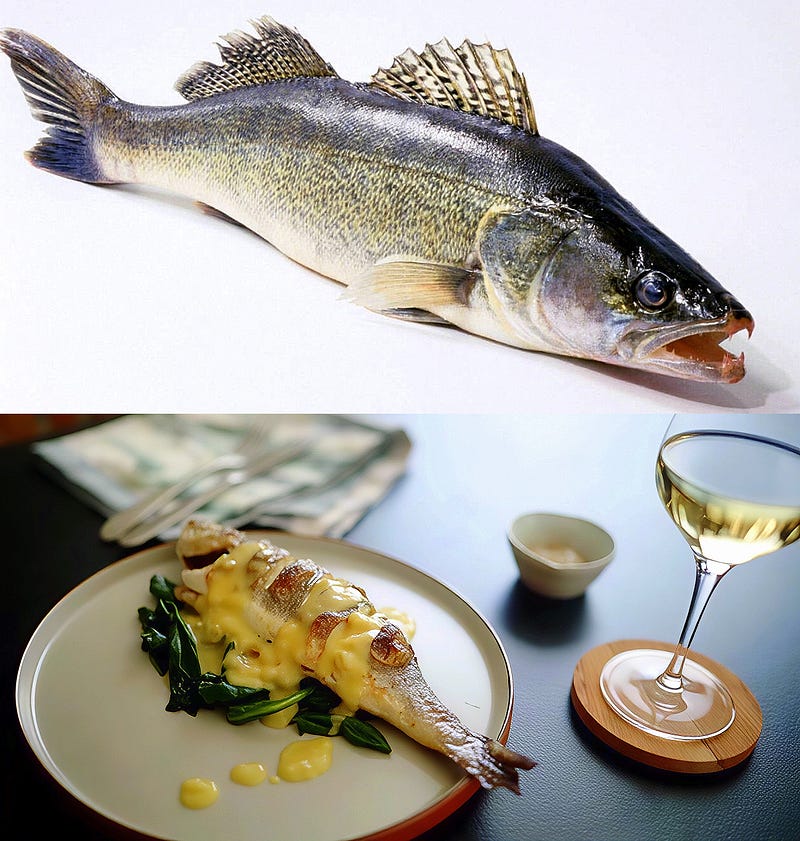
A master of ambush, the zander is built for stealth. Adults can reach impressive sizes, commonly 70 to 90 cm (28 to 35 in) in length, with record specimens surpassing 1 m (39 in) and weighing more than 15 kg (33 lb). Its body is streamlined, its scales have a muted olive-to-silver sheen with dark vertical stripes that fade with age. The zander’s eyes are its most distinctive feature — large and iridescent, equipped with a reflective layer that grants superb night vision, much like a cat. This adaptation allows the zander to hunt efficiently in murky waters where other fish flounder. Its diet is almost entirely piscivorous, feeding on roach, bream, and smaller perch, though juveniles will eat insects and crustaceans.
Reproduction begins in spring when water temperatures reach about 12°C (54°F). Males prepare nests in shallow waters, aggressively guarding the adhesive eggs until they hatch. This parental investment, unusual among freshwater fish, boosts survival rates and contributes to the species’ dominance.
Ecology
The zander is native to the lakes and rivers of Central and Eastern Europe but has been spread widely since the 19th century, often with mixed results. In its natural range, it plays a key role as a top predator, maintaining balance among prey populations. However, when introduced into non-native ecosystems, such as British rivers, it has sparked controversy. Its voracious appetite and competitive advantage over native fish can disrupt ecological harmony, sometimes leading to declines in local biodiversity.

Because of its sensitivity to water quality, the zander also acts as a biological indicator. Healthy populations often suggest relatively clean, well-oxygenated water. This makes the species both a challenge and a tool for conservationists, depending on the context.
Uses
The zander has long been a prized catch among commercial and recreational fishers. Its firm, white flesh commands high prices in European markets, making it an economically important species from Finland to Hungary. Aquaculture efforts have expanded in recent years, with controlled breeding programs aimed at reducing pressure on wild stocks. This shift represents an important step toward sustainability, particularly as demand grows in both domestic and export markets.
At the same time, fisheries managers face the paradox of the zander’s dual role: valued food source in some regions, invasive threat in others. Licensing schemes and culling measures are often employed in countries like the UK, while continental Europe continues to encourage commercial harvest.
Culinary Aspects
Zander has earned a reputation as one of the finest freshwater fishes for the table. Its flesh is delicately flavored, less oily than salmon yet more substantial than trout, with a mild sweetness and flaky texture. In Hungary, zander fillets are pan-fried and served with paprika-rich sauces. In France, sandre au beurre blanc — zander with a butter and white wine reduction — remains a classic. Across Central Europe, it is a centerpiece of festive meals, celebrated for being both light and nourishing.
Nutritionally, zander provides lean protein, low fat, and a healthy dose of omega-3 fatty acids, making it an ideal choice for modern diets. A fillet of 200 g (7 oz) delivers protein without heaviness, a quality that endears it to health-conscious diners.
Wine Pairings
The subtle flavor of zander pairs beautifully with crisp, aromatic white wines. A dry Riesling from the Mosel or Alsace highlights its delicate sweetness, while a Grüner Veltliner from Austria complements its earthy undertones. In French cuisine, zander with beurre blanc finds its match in a Loire Valley Sancerre, where the Sauvignon Blanc’s acidity cuts elegantly through the richness of the sauce. For those who prefer sparkling, a Brut Champagne makes an inspired partner, especially when the fish is served with buttery accompaniments.
Conclusion
The zander embodies the complexities of human interaction with nature. It is at once a native treasure, an invasive threat, an economic resource, and a culinary delight. Its success speaks to the adaptability of life and the consequences of human ambition in altering ecosystems. To enjoy zander responsibly — whether on the end of a fishing line or at the dinner table — requires both appreciation and stewardship. As Europe grapples with questions of sustainability, the zander will remain a symbol of the fine balance between exploitation and conservation.)
Introduction
In the dim, green-shadowed waters of Europe’s great rivers and lakes lurks a fish that inspires equal parts respect, curiosity, and culinary desire — the zander. Known as Sander lucioperca, this formidable predator has long fascinated anglers, chefs, and biologists alike. With its glassy eyes adapted to low light and its reputation as both a sustainable food source and an invasive menace, the zander straddles a unique place in human culture. To some, it is a treasure of freshwater cuisine; to others, a stealthy invader upsetting ecological balance. Understanding the zander means looking at it not just as a fish, but as a mirror of the ways humans shape — and consume — the natural world.
Taxonomy
The zander belongs to the family Percidae, making it a cousin of the perch (Perca fluviatilis). Its scientific name, Sander lucioperca, reflects its hybrid character: “lucioperca” evokes the pike (Esox lucius) and perch, two species it strikingly resembles. Sometimes called the pike-perch in English, it is known across Europe by local names — Zander in German, Sandre in French, and Snoekbaars in Dutch. Unlike many freshwater fish, the zander shows remarkable adaptability and has been intentionally introduced far beyond its native range, from Central Europe to the British Isles and even into parts of Asia.
Biology
A master of ambush, the zander is built for stealth. Adults can reach impressive sizes, commonly 70 to 90 cm (28 to 35 in) in length, with record specimens surpassing 1 m (39 in) and weighing more than 15 kg (33 lb). Its body is streamlined, its scales have a muted olive-to-silver sheen with dark vertical stripes that fade with age. The zander’s eyes are its most distinctive feature — large and iridescent, equipped with a reflective layer that grants superb night vision, much like a cat. This adaptation allows the zander to hunt efficiently in murky waters where other fish flounder. Its diet is almost entirely piscivorous, feeding on roach, bream, and smaller perch, though juveniles will eat insects and crustaceans.
Reproduction begins in spring when water temperatures reach about 12°C (54°F). Males prepare nests in shallow waters, aggressively guarding the adhesive eggs until they hatch. This parental investment, unusual among freshwater fish, boosts survival rates and contributes to the species’ dominance.
Ecology
The zander is native to the lakes and rivers of Central and Eastern Europe but has been spread widely since the 19th century, often with mixed results. In its natural range, it plays a key role as a top predator, maintaining balance among prey populations. However, when introduced into non-native ecosystems, such as British rivers, it has sparked controversy. Its voracious appetite and competitive advantage over native fish can disrupt ecological harmony, sometimes leading to declines in local biodiversity.
Because of its sensitivity to water quality, the zander also acts as a biological indicator. Healthy populations often suggest relatively clean, well-oxygenated water. This makes the species both a challenge and a tool for conservationists, depending on the context.
Uses
The zander has long been a prized catch among commercial and recreational fishers. Its firm, white flesh commands high prices in European markets, making it an economically important species from Finland to Hungary. Aquaculture efforts have expanded in recent years, with controlled breeding programs aimed at reducing pressure on wild stocks. This shift represents an important step toward sustainability, particularly as demand grows in both domestic and export markets.
At the same time, fisheries managers face the paradox of the zander’s dual role: valued food source in some regions, invasive threat in others. Licensing schemes and culling measures are often employed in countries like the UK, while continental Europe continues to encourage commercial harvest.
Culinary Aspects
Zander has earned a reputation as one of the finest freshwater fishes for the table. Its flesh is delicately flavored, less oily than salmon yet more substantial than trout, with a mild sweetness and flaky texture. In Hungary, zander fillets are pan-fried and served with paprika-rich sauces. In France, sandre au beurre blanc — zander with a butter and white wine reduction — remains a classic. Across Central Europe, it is a centerpiece of festive meals, celebrated for being both light and nourishing.
Nutritionally, zander provides lean protein, low fat, and a healthy dose of omega-3 fatty acids, making it an ideal choice for modern diets. A fillet of 200 g (7 oz) delivers protein without heaviness, a quality that endears it to health-conscious diners.
Wine Pairings
The subtle flavor of zander pairs beautifully with crisp, aromatic white wines. A dry Riesling from the Mosel or Alsace highlights its delicate sweetness, while a Grüner Veltliner from Austria complements its earthy undertones. In French cuisine, zander with beurre blanc finds its match in a Loire Valley Sancerre, where the Sauvignon Blanc’s acidity cuts elegantly through the richness of the sauce. For those who prefer sparkling, a Brut Champagne makes an inspired partner, especially when the fish is served with buttery accompaniments.
Conclusion
The zander embodies the complexities of human interaction with nature. It is at once a native treasure, an invasive threat, an economic resource, and a culinary delight. Its success speaks to the adaptability of life and the consequences of human ambition in altering ecosystems. To enjoy zander responsibly — whether on the end of a fishing line or at the dinner table — requires both appreciation and stewardship. As Europe grapples with questions of sustainability, the zander will remain a symbol of the fine balance between exploitation and conservation.