The Truth About Sebaceous Filaments: Why “Nose Cheese” Isn’t the Enemy
Introduction For decades, skincare advice has centered around “clearing out” the pores — scrubbing, squeezing, masking, and peeling our…
Introduction
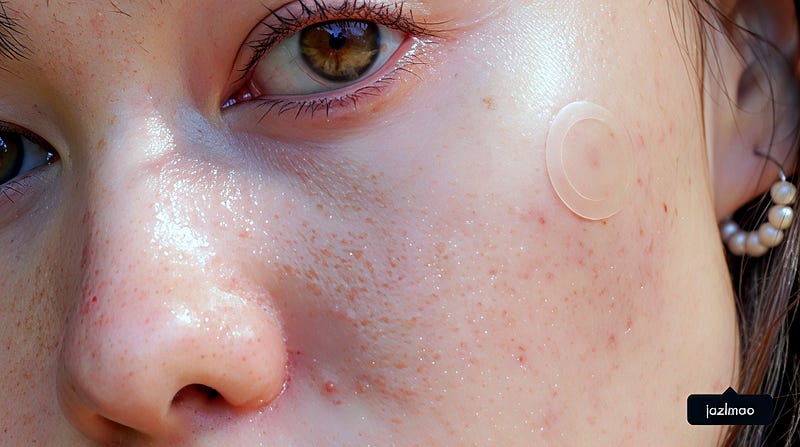
For decades, skincare advice has centered around “clearing out” the pores — scrubbing, squeezing, masking, and peeling our way to glass skin. But what if one of the most misunderstood features of your complexion — those tiny grayish dots on your nose and chin — isn’t a problem at all? Enter the world of sebaceous filaments, the unsung heroes of healthy skin physiology. While often mistaken for blackheads or “dirt,” these microscopic structures serve vital biological functions, from oil transport to microbial defense. Understanding them could transform how you approach skincare — and spare your face a lot of trauma in the process.
What Are Sebaceous Filaments?
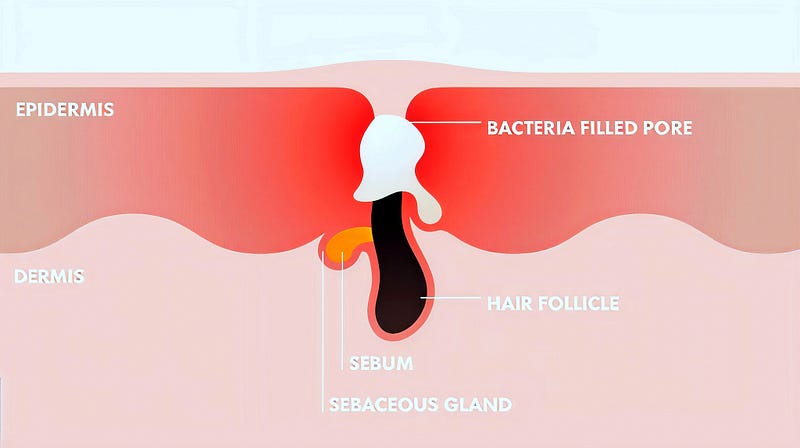
Sebaceous filaments are natural, tubular structures that line the walls of your pores. Their job? To facilitate the smooth journey of sebum — your skin’s oil — from the sebaceous glands deep within the skin up to the surface. This process isn’t just aesthetic; it keeps your skin lubricated, pliable, and protected from dehydration and environmental stressors. Think of them as a plumbing system for your face. Like gutters on a roof, they aren’t there to be removed; they’re there to manage flow.
They’re most noticeable on the nose, chin, and forehead, where oil production is highest. Their appearance — grayish, yellowish, or flesh-toned — often causes concern. But unlike blackheads, which are plugs formed from oxidized debris and dead skin, sebaceous filaments are open channels. They don’t clog. They don’t cause acne. And they don’t need to be extracted.
Why They Appear (and Why You Notice Them More)
The visibility of sebaceous filaments varies based on skin type, age, and sebum production. People with oily skin or larger pores may notice them more. As oil and dead cells accumulate within these structures, exposure to air oxidizes the contents, turning them darker. That’s why they may look yellow or gray — not because they’re “dirty,” but because oxygen has reacted with the sebum inside.
Under a magnifying mirror, this can look like an army of clogged pores. But they’re not clogs. They’re a sign that your skin is functioning. The real problem arises when these filaments become distorted, overfilled, or mismanaged — usually due to misguided skincare habits.
Squeezing: The Worst Idea You’ve Ever Had (Even If It Feels Great)
Let’s talk about “nose cheese.” Yes, squeezing those little filaments produces a waxy, stringy plug that looks disgusting and deeply satisfying to remove. But the high comes at a cost. When you squeeze, you stretch the pore, rupture its walls, and risk driving oil and bacteria deeper. The result? Inflammation, larger pores, and in many cases, more acne. And worst of all — it refills in 48 to 72 hours.
Professional extractions are a different matter entirely. Dermatologists and estheticians use sterile tools, apply controlled pressure, prep the skin with steam or exfoliants, and follow up with anti-inflammatory care. DIY squeezing doesn’t compare. It’s like doing dental surgery with a spoon.
The Science of Smart Skincare: How to Manage Filaments Safely
You can’t eliminate sebaceous filaments — and you shouldn’t want to — but you can make them less visible. The key is chemical, not mechanical, exfoliation, and a strategy rooted in skin biology, not war.
1. Leave-On Salicylic Acid (BHA)
This oil-soluble exfoliant penetrates deep into pores to dissolve sebum and dead cells. Rinsing it off too quickly nullifies its effect. A leave-on 2% formulation applied after cleansing delivers better results over time.
2. Retinoids (e.g., Adapalene or Tretinoin)
These vitamin A derivatives speed up cell turnover, regulate sebum production, and shrink oil glands. Start with over-the-counter adapalene and transition slowly to avoid irritation. Results are measured in months, not days — but they last.
3. Oil Cleansing
Counterintuitive but effective. Oil dissolves oil. Massaging a non-comedogenic oil like jojoba or mineral oil into dry skin helps loosen oxidized sebum without damage. Follow with a gentle cleanser.
4. Clay Masks (Once or Twice a Week)
Kaolin or bentonite clay draws out excess oil from the surface, reducing the appearance of enlarged pores temporarily. Think of it as a maintenance tool — not a cure.
5. Niacinamide
A form of vitamin B3 that calms inflammation and regulates oil production. It’s especially useful when paired with actives like BHA or retinoids.
Why Green or Yellow Discharge Deserves a Closer Look
Yellowing is expected — oxidized sebum. But green? That’s a red flag. Green discharge from pores may signal infection, most commonly by Pseudomonas aeruginosa, a bacterium that produces a green pigment. It can also point to oxidized cosmetic pigments or rare skin conditions. If you notice green residue, skip TikTok and go see a dermatologist. Now.
The Gold Standard Routine
If you’re serious about minimizing the look of filaments without harming your skin, here’s the dermatologist-approved sequence:
Night Routine:
Cleanse with an oil-based balm (like The Inkey List’s Oat Cleansing Balm), followed by a gentle gel cleanser. Apply a leave-on BHA serum (e.g., Paula’s Choice 2% BHA Liquid), and follow up with a retinoid (Differin or prescription tretinoin). Moisturize with a zinc oxide-rich formula (like EltaMD UV Clear) to calm inflammation and fortify the barrier.
Weekly:
Use a 5% glycolic acid peel for surface exfoliation and a bentonite or kaolin clay mask to draw out excess oil.
Daytime:
Always use sunscreen. UV rays oxidize sebum and enlarge pores. A broad-spectrum SPF with niacinamide can do double duty.
Conclusion
Sebaceous filaments are not the enemy. They’re signs that your skin’s plumbing is working as nature intended. The frustration many feel toward their appearance stems not from poor hygiene, but from misunderstanding. The solution isn’t to wage war on your pores with scrubs and strips — it’s to support your skin’s architecture with patience, science, and respect.
If you find yourself tempted to squeeze, remember: short-term satisfaction leads to long-term damage. Invest in long-term strategies that work with your skin, not against it. The goal isn’t perfection — it’s balance. Let your skin do what it was designed to do, and it just might surprise you.