The Whisper of Jasmine: A Botanical Muse Across Continents
Jasmine drifts into our lives quietly, like a melody remembered from childhood. Its blossoms release their fragrance at dusk, a gentle…
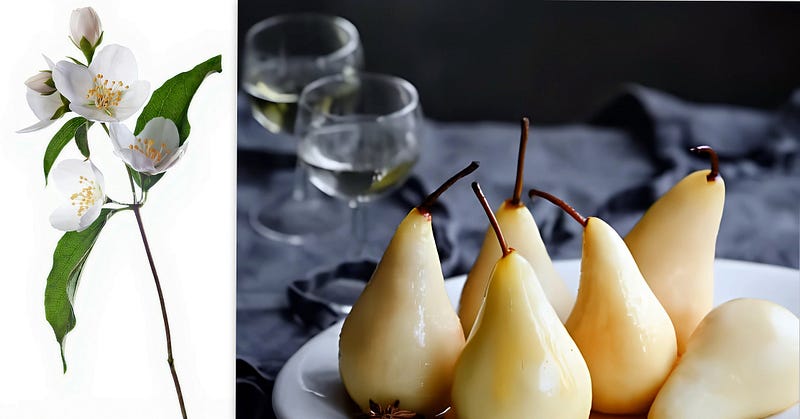
Jasmine drifts into our lives quietly, like a melody remembered from childhood. Its blossoms release their fragrance at dusk, a gentle exhale that lingers in warm air and softens the edges of evening. Few plants have inspired such devotion in gardeners, perfumers, chefs, and poets alike. Jasminum officinale, the common jasmine, is not merely a plant; it is a cultural emblem, a botanical marvel, and a sustainable ally in a world hungry for beauty and utility.
Taxonomy and Identity
Jasminum officinale belongs to the olive family, Oleaceae, a lineage that also includes lilacs and olives. Within the genus Jasminum, which includes over two hundred species, officinale is the one most entwined with human culture. In Europe and Asia, it is often called poet’s jasmine or common white jasmine, though in some regions it carries names that translate to “moonlight flower” or “night’s breath.” While most jasmine species are ornamental, a few varieties, such as Jasminum sambac, produce edible blossoms used in teas and confections. Yet it is officinale that remains the standard bearer, its white star-shaped flowers instantly recognized from the gardens of Rome to the courtyards of Rajasthan.
Biology and Flourishing Life
The plant itself is a study in resilience and grace. A deciduous climber, Jasminum officinale grows in a cascade of slender green stems, reaching heights of 10 meters, about 33 feet, when given a trellis or arbor to climb. The leaves are pinnate, bright green, and finely pointed, offering a delicate foil to the luminous flowers. It blooms from late spring through autumn, setting buds that open in the cool of the evening. Pollinated primarily by nocturnal moths, the flowers release their perfume at twilight, an evolutionary adaptation that ensures they beckon the right visitors. The plant’s life cycle follows a perennial rhythm, resting through winter dormancy before bursting forth each spring.
Ecology and Environmental Role
Jasminum officinale is native to the Himalayan foothills and the warm Mediterranean basin, but its adaptability allows it to flourish in diverse climates. It thrives in well-drained soils and full sun, though it tolerates partial shade in hotter regions. Its climbing habit provides shelter for insects and small birds, and its nectar contributes to local pollinator networks. Sustainable cultivation of jasmine is increasingly prioritized, with organic farming practices and integrated pest management ensuring that the plant’s beauty does not come at the cost of ecological harm. In regions where monocultures threaten biodiversity, jasmine hedgerows can restore a measure of balance, inviting native species back into the fold.

Uses and Economic Relevance
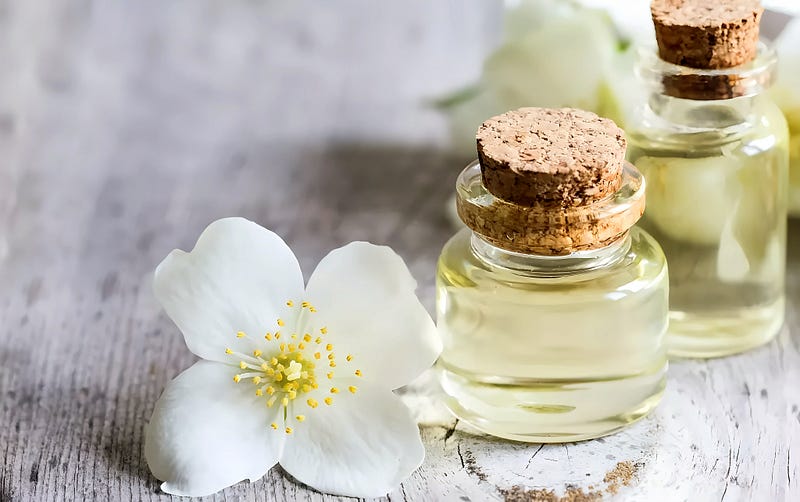
Beyond gardens, jasmine commands a lucrative role in global markets. Its essential oil, often called jasmine absolute, is one of the most expensive floral extracts, requiring thousands of blossoms to produce just one ounce, about 28 grams. This oil forms the heart of countless perfumes, from classic French compositions to contemporary artisan blends. In South Asia, jasmine garlands are sold in vibrant street markets, woven by hand and worn at weddings, religious ceremonies, and festivals, symbolizing purity and devotion. Sustainable jasmine farming has emerged as a vital source of income for rural communities, with fair-trade cooperatives allowing growers to profit while preserving traditional methods.
Culinary Aspects and Sensory Delight
Though officinale itself is less commonly used in cuisine than Jasminum sambac, its blossoms are occasionally infused into syrups and desserts, lending a delicate floral note reminiscent of honey and green tea. In certain regions, dried jasmine flowers are added to teas, their fragrance mellowing the tannins and creating a drink that is as soothing as it is aromatic. When used sparingly, the blossoms offer a subtle accent in pastries and creams, pairing well with vanilla and citrus. This culinary versatility has made jasmine a quiet star in fusion kitchens, where chefs experiment with floral gastronomy.
Wine Pairings and Harmonies
A dish touched by jasmine’s floral sweetness finds its match in wines with bright aromatics and balanced acidity. A late-harvest Riesling, chilled to 10°C, about 50°F, amplifies the delicate perfume of jasmine-infused custards or sorbets. Gewürztraminer, with its lychee and rose notes, resonates beautifully with jasmine-flavored syrups drizzled over panna cotta. Even a well-chilled Muscat can echo jasmine’s ethereal character, turning a simple dessert into an elevated sensory experience. The key is balance, allowing the wine’s fragrance to complement rather than overshadow the gentle whisper of the blossoms.
Conclusion and Reflection
Jasmine endures because it bridges worlds. It is both humble and exalted, cultivated in cottage gardens and prized in royal courts. Its fragrance is fleeting, yet its cultural legacy stretches across centuries. As we seek sustainable ways to honor the natural world, Jasminum officinale stands as a reminder that beauty and utility can walk hand in hand. To plant jasmine is to invite poetry into one’s space, to cultivate not only a flower but a living connection to tradition and the earth itself.