UNGA80 Briefing: Anniversaries, Action, and Acute Crises Define 80th Session
The 80th session of the United Nations General Assembly (UNGA80), under the theme “Better together: 80 years and more for peace…
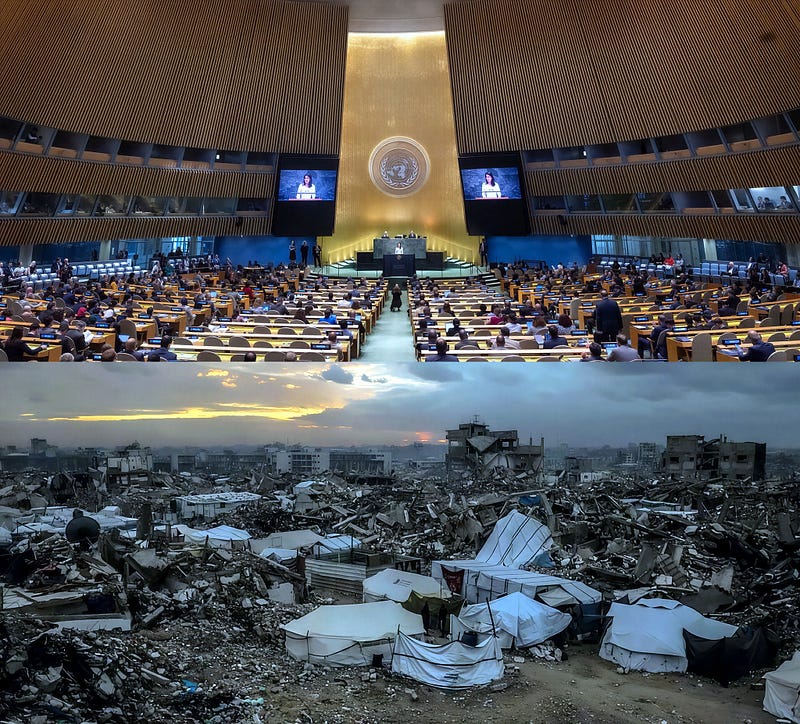
The 80th session of the United Nations General Assembly (UNGA80), under the theme “Better together: 80 years and more for peace, development and human rights,” convened in a spirit of reflection on past milestones and urgent action on intersecting global crises. High-level week, from September 22–30, 2025, featured significant commitments on climate, Palestine, and financing, while also highlighting profound divisions and calls for systemic reform, particularly from African nations.
80th Anniversary of the UN
The session opened with reflections on the 80th anniversary of the United Nations, a milestone that prompted assessments of the organization’s achievements and future direction. World leaders and UN officials used the occasion to reaffirm the importance of multilateralism while acknowledging the need for a more inclusive and responsive international system to address contemporary challenges.
Sustainable Development Goals (SDG Moment)
The SDG Moment marked a critical juncture at the mid-point of the 2030 Agenda. While stories of transformation were showcased, the overarching message was the need to accelerate progress. A report indicated that only 35% of SDG targets are on track, with nearly half moving slowly and 18% experiencing setbacks. The event served as a call to action for governments, businesses, and civil society to scale up efforts to achieve the Goals.
30th Anniversary of the Beijing World Conference on Women
A high-level meeting commemorating the 30th anniversary of the Beijing Declaration recognized its role in advancing legal protections and political participation for women. However, a new UN Women report confirmed that none of the gender equality SDGs are on track. Discussions focused on the gap between promises and reality, with calls for increased funding for women’s organizations and guarantees for women’s participation in peace and security processes.
Peaceful Settlement of the Question of Palestine and the Two-State Solution
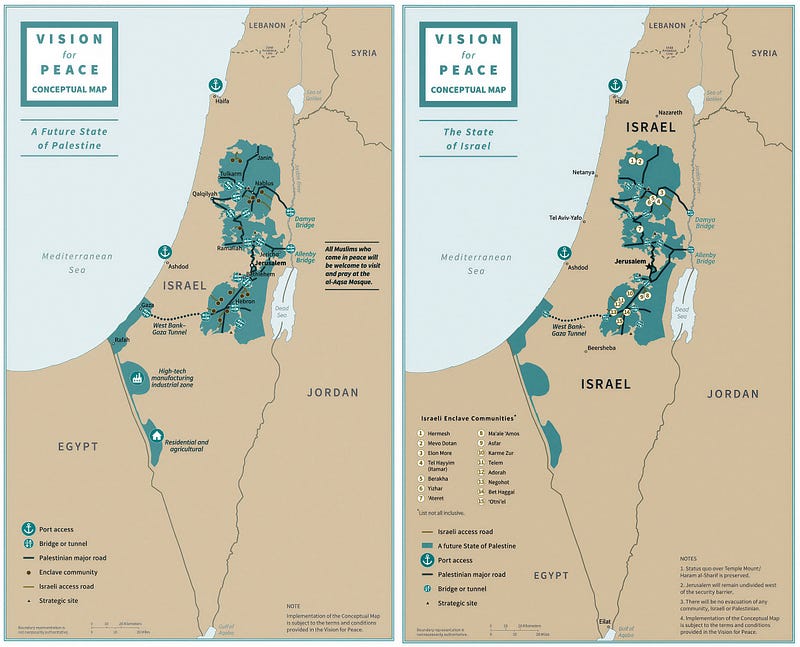
This topic was a central and contentious issue. A high-level conference saw multiple European nations, including France, Belgium, and Luxembourg, formally recognize a Palestinian state. These countries framed the move as a necessary step to preserve the viability of a two-state solution. The New York Declaration, endorsed by 142 member states, outlines a roadmap involving an immediate ceasefire, hostage release, and a viable Palestinian state. Israel and the United States opposed the resolution, with the Israeli ambassador arguing it rewards terrorism.
Financing for Sustainable Development
The first Biennial Summit for a Sustainable, Inclusive and Resilient Global Economy focused on implementing commitments on financing development. The summit aimed to align multilateral efforts and the international financial system with the SDGs. Key objectives included taking stock of existing financing commitments and exploring ways to strengthen collaboration between multilateral institutions to fund the 2030 Agenda.
Climate Summit and COP30 Preparation
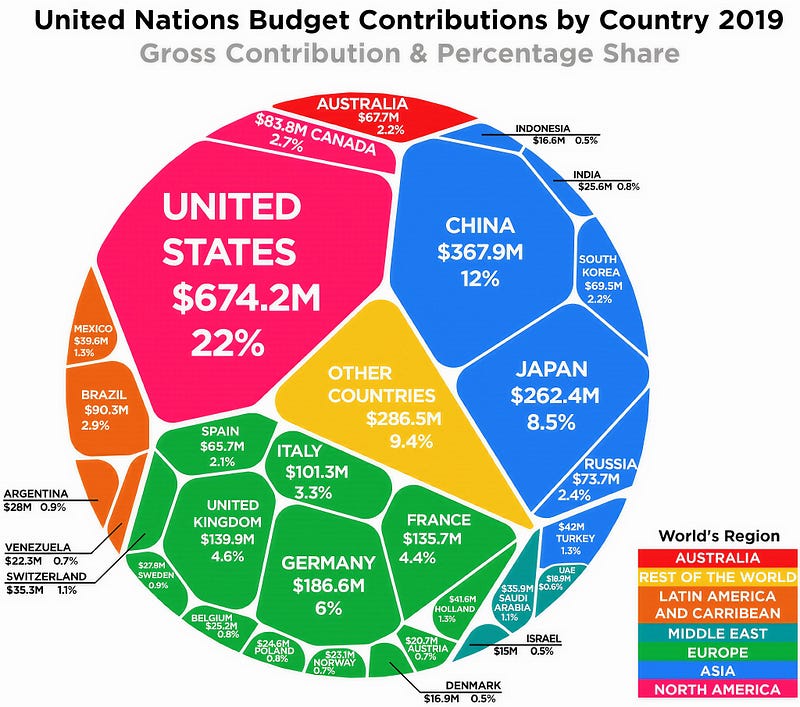
The Climate Summit, co-convened with Brazil, served as a critical platform for nations to present new national climate action plans ahead of COP30. Nearly 100 countries announced or committed to finalizing new targets. China announced an economy-wide emissions reduction target, and other nations detailed renewable energy goals and methane reduction plans. The summit featured “Solutions Dialogues” on topics from early warning systems to industrial decarbonization and climate finance.
Global Dialogue on AI Governance
A high-level meeting was held to launch the Global Dialogue on Artificial Intelligence Governance at the United Nations. The informal gathering brought together member states and diverse stakeholders to explore key dimensions of inclusive and accountable AI governance, initiating a crucial multilateral conversation on international standards and cooperation.
Global Response to Noncommunicable Diseases and Mental Health
Heads of State and Government met to set a new vision for the prevention and control of noncommunicable diseases and the promotion of mental health. The goal of the meeting was to adopt a new, ambitious political declaration aimed at addressing these health challenges towards 2030 and beyond.
Situation of the Rohingya Muslims and Other Minorities in Myanmar
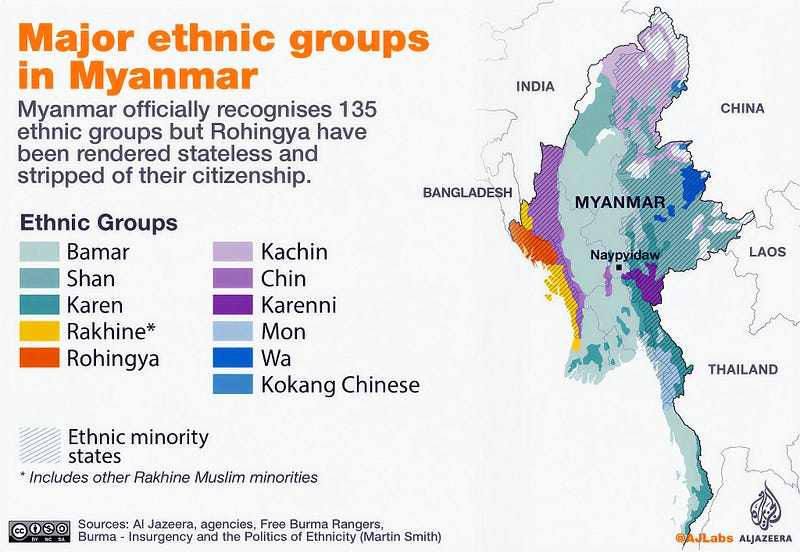
A high-level plenary meeting addressed the ongoing crisis. The gathering aimed to sustain international attention, review the situation on the ground, and propose a concrete, time-bound plan for a sustainable resolution. This included efforts to ensure the voluntary, safe, and dignified return of displaced Rohingya communities — ‘world’s most persecuted minority’.
Reform and Equity for Africa in Global Governance
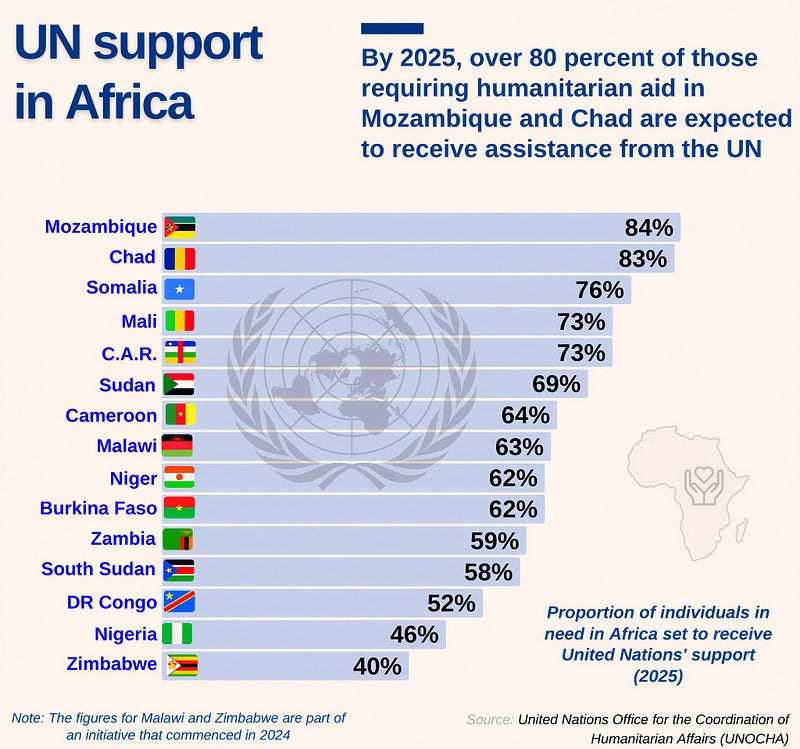
African leaders delivered a unified message demanding equity and representation. Presidents from Guinea-Bissau, Botswana, and others argued that the UN risks irrelevance without reform. A central plea was for the expansion and democratization of the Security Council, with Botswana’s president stating unequivocally that Africa’s voice is not heard without a permanent seat. Leaders also called for debt cancellation and fairer international partnerships.
Libya’s Sovereignty and Territorial Integrity
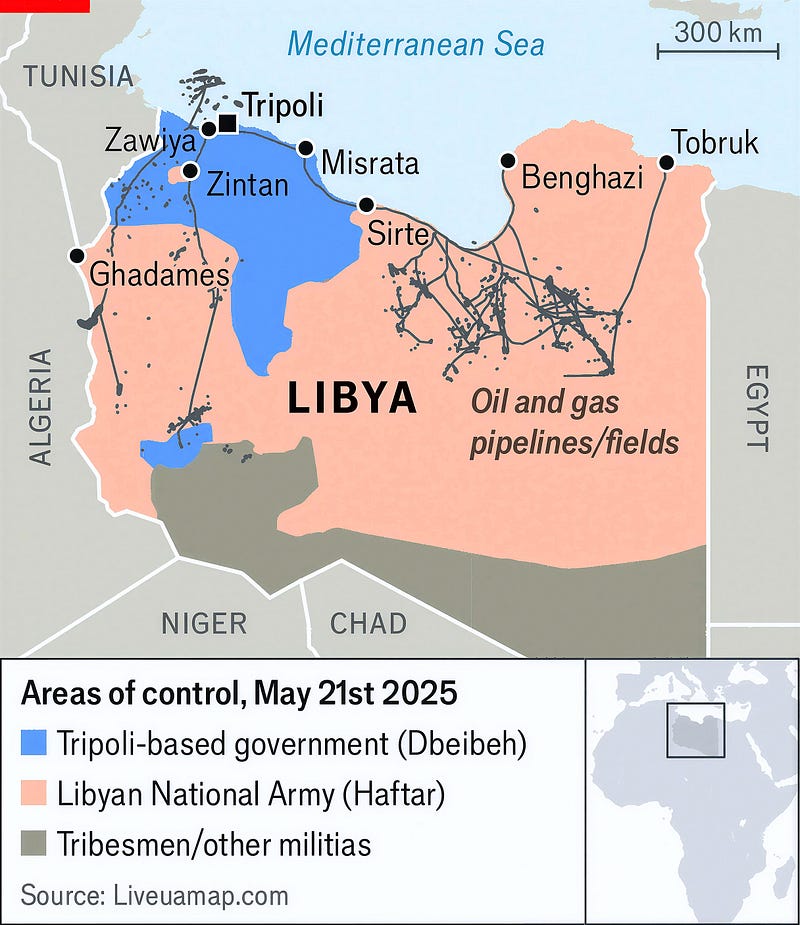
The President of Libya’s Presidential Council affirmed the country’s sovereignty and unity, stating that Libya is not an arena for settling scores. He presented a four-pillar vision for a political solution that includes restoring national sovereignty, unifying state institutions, and ending the transitional period through free and fair elections, emphasizing that these principles are non-negotiable.
Haiti’s Security Crisis
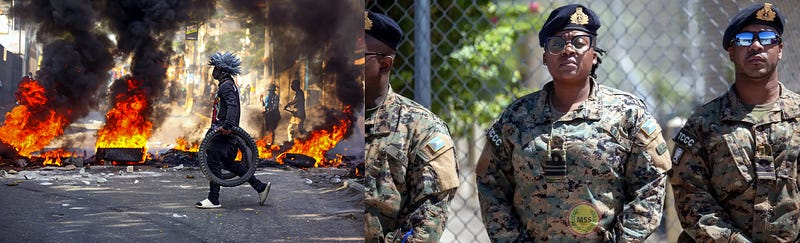
The situation in Haiti was described as a “Sword of Damocles,” with the country gripped by a severe security and humanitarian crisis. Foreign ministers met to rally support for the Kenyan-led Multinational Security Support Mission. Canada pledged additional funding, and discussions emphasized that security support must be matched by a political process and economic recovery to achieve lasting stability. The briefing materials did not contain information regarding reparations demands from France.
Gaza Conflict and Two-State Solution Challenges
The war in Gaza formed the immediate backdrop to diplomatic efforts. The UN Secretary-General described the situation as “intolerable,” asserting that Palestinian statehood is a right and the only way to end the cycle of violence. European leaders presented the wave of recognition as a defeat for Hamas and a move to undermine its rhetoric. Challenges remain stark, with ongoing military operations in Gaza and Israeli leadership vowing there will be no Palestinian state.