The Hairy Crab: Pilumnus hirtellus and Its Culinary, Ecological, and Cultural Role
This modest crustacean is far less famous than the Chinese mitten crab or the king crab, yet it plays a vital role in coastal ecosystems and occasionally in regional culinary traditions.
Introduction
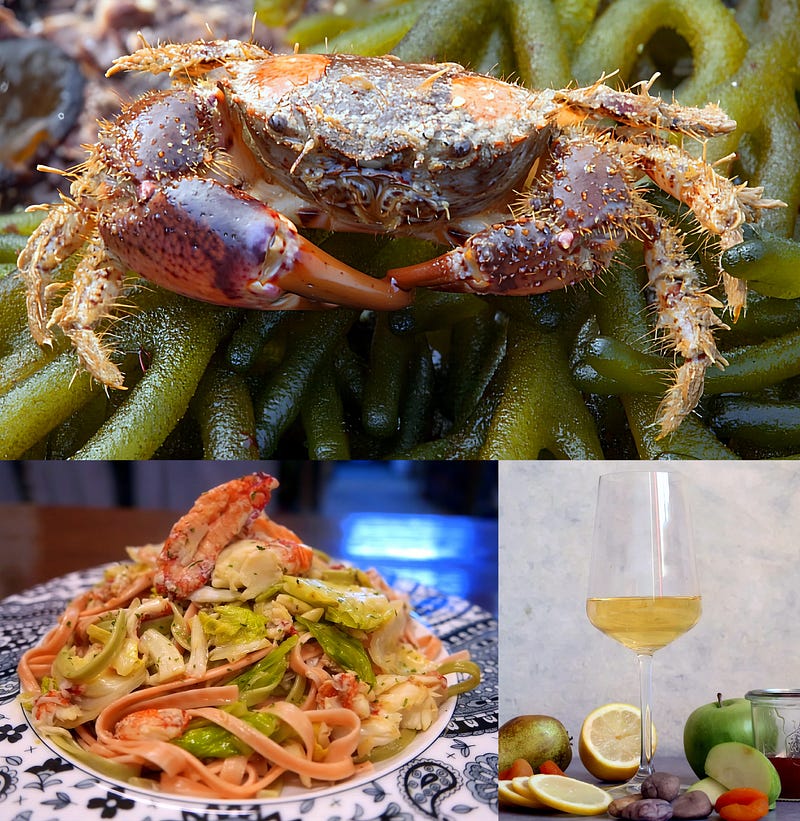
On rocky European shores, tucked into tidal crevices and sheltered beneath seaweed, lives the hairy crab, Pilumnus hirtellus. This modest crustacean is far less famous than the Chinese mitten crab or the king crab, yet it plays a vital role in coastal ecosystems and occasionally in regional culinary traditions. Its small size, bristly body, and secretive habits make it an overlooked creature, but on closer inspection, it reveals a fascinating intersection of marine biology, gastronomy, and sustainability.
Taxonomy
Pilumnus hirtellus belongs to the family Pilumnidae within the order Decapoda, which includes true crabs. Commonly called the hairy crab due to its fine setae covering much of its carapace and legs, it should not be confused with the larger Chinese mitten crab (Eriocheir sinensis). Pilumnus hirtellus has no major subspecies or recognized edible varieties on a commercial scale, but local fishers occasionally collect it for small-scale use. Its taxonomic placement links it closely to other small, rocky-shore crabs, highlighting its niche as both scavenger and prey.
Biology
The hairy crab grows to a carapace width of about 1.5 in (4 cm), its compact size camouflaged by hair-like setae that trap sediments and algae, blending it with its surroundings. Its coloration varies from reddish-brown to purplish, sometimes with paler mottling, and its chelae (claws) are slightly asymmetrical. Adapted for intertidal life, it survives in fluctuating salinity and temperature ranges, enduring exposure when the tide recedes. Its reproductive cycle follows seasonal rhythms, with females carrying egg masses under their abdomen until hatching.
Ecology
Pilumnus hirtellus inhabits rocky coasts, kelp forests, and seagrass meadows across the northeastern Atlantic, Mediterranean, and Black Sea. It occupies crevices at depths up to 33 ft (10 m), often hiding during daylight and emerging at night to scavenge on algae, detritus, mollusks, and carrion. Ecologically, it serves as both cleaner and prey, helping recycle nutrients while feeding fish, seabirds, and larger crabs. Though not under major conservation threat, localized habitat degradation from coastal development and pollution may reduce its numbers. Responsible shoreline management and sustainable fisheries indirectly support its survival.

Uses
Unlike commercially prized crabs, Pilumnus hirtellus has limited economic importance. Its small size prevents large-scale harvest, but in some coastal regions, it is used in local stews, broths, or as bait in artisanal fisheries. Sustainability concerns are minimal because collection pressure is low, though indiscriminate bycatch could pose risks. Its broader value lies in its ecological function and as an indicator species for healthy intertidal habitats.
Culinary Aspects
Although less meaty than larger relatives, hairy crab flesh is delicate and sweet, with a briny minerality reflecting its rocky-shore diet. The aroma carries subtle seaweed notes, while the mouthfeel is tender yet fibrous in small morsels. Steaming or boiling enhances its natural sweetness, while crushing and simmering the shells in broths imparts a deep marine umami, similar to shrimp stock but earthier. Texture and flavor balance make it best suited to soups, risottos, or pasta sauces, where its complexity builds layers rather than standing alone. Nutritionally, like other crabs, it provides lean protein, trace minerals such as zinc and selenium, and omega-3 fatty acids in modest amounts.
Wine Pairings
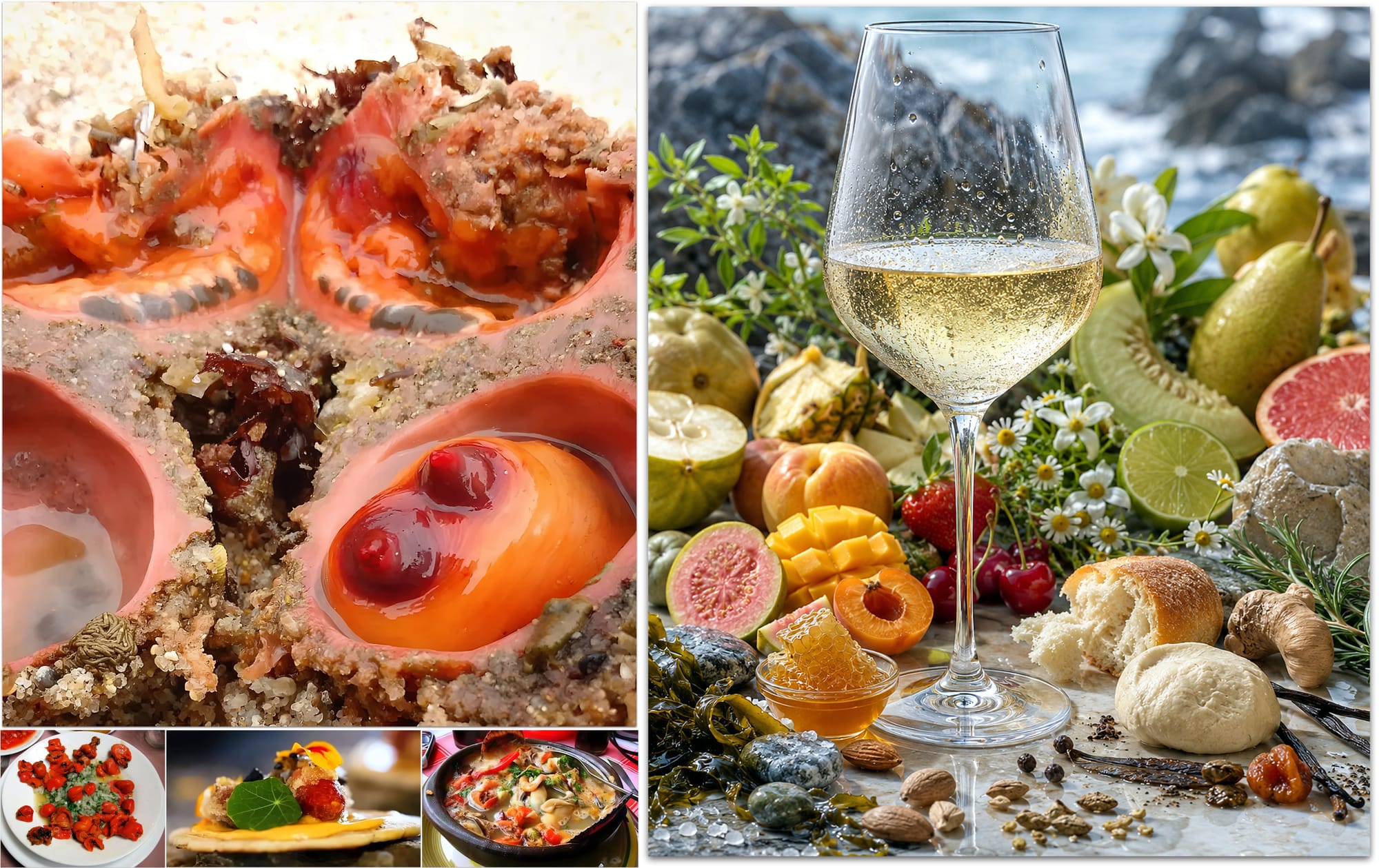
The subtle sweetness and marine depth of Pilumnus hirtellus call for wines with crisp acidity and saline edge.
- Txakolina (Basque Country, Spain): Its light body, effervescence, and citrus-driven acidity match the crab’s briny delicacy, particularly when served chilled alongside shellfish stews.
- Vermentino (Liguria, Italy): With herbal aromatics and Mediterranean salinity, Vermentino enhances crab prepared in olive oil and garlic-based broths.
- Albariño (Rías Baixas, Spain): High acidity and stone-fruit notes lift richer preparations such as crab risotto, balancing umami depth.
- Assyrtiko (Santorini, Greece): Its volcanic minerality and lemon zest profile align with crab soups seasoned with fennel and anise.
- Muscadet Sèvre et Maine (Loire Valley, France): A classic shellfish wine, its bracing freshness and lees aging provide both crispness and subtle creaminess to round crab-based bisques.
Conclusion
Pilumnus hirtellus is not a culinary star of global seafood markets, but it represents the richness of small-scale biodiversity that underpins coastal ecosystems. Its story encourages a wider appreciation of overlooked species that quietly sustain marine food webs and contribute nuanced flavors to local cuisines. As global fisheries shift toward sustainability, even minor crabs like Pilumnus hirtellus remind us that responsible harvesting, ecological stewardship, and culinary curiosity are intertwined.