Where the Wild Chicken Roams: The Untamed Legacy of Gallus gallus
Beneath the emerald canopies of Southeast Asia, a flash of coppery plumage cuts through shafts of light. A soft, urgent cluck ripples from…
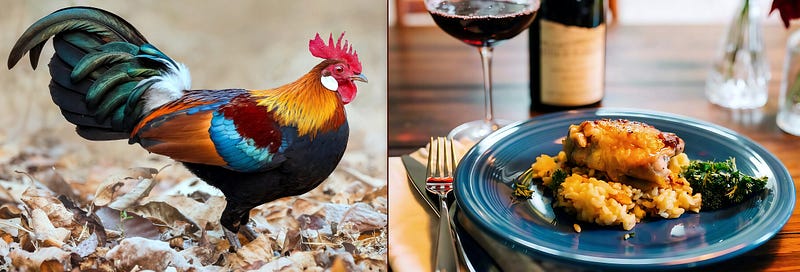
Beneath the emerald canopies of Southeast Asia, a flash of coppery plumage cuts through shafts of light. A soft, urgent cluck ripples from the undergrowth, followed by the unmistakable beat of wings against dense air. The creature at the heart of this moment is Gallus gallus, the red junglefowl, the wild ancestor of every chicken that graces our farms, our kitchens, and our tables. To see one in its natural state is to witness living history, a feral spirit that has shaped human culture for millennia while remaining remarkably unbroken by it.
The Lineage of a Legend
Gallus gallus belongs to the Phasianidae family, nestled within the order Galliformes. Among its recognized subspecies are Gallus gallus spadiceus, common in Thailand and Malaysia, and Gallus gallus jabouillei from Vietnam’s forests. Though known collectively as red junglefowl, regional names — such as the Thai kai fah or the Malay ayam hutan — reflect deep cultural familiarity. Unlike their domesticated descendants, these birds have retained traits honed by nature rather than by human hands, offering a genetic blueprint that underpins every edible breed from heritage Rhode Island Reds to sleek Leghorns.
Anatomy of Wild Brilliance
A male in full plumage is a masterwork of evolution, with a sweeping sickle-shaped tail, a blazing crimson comb, and hackle feathers that glint gold in sunlight. Hens are subtler, cloaked in mottled browns that melt into the forest floor. These birds weigh around 2.5 kilograms, approximately 5.5 pounds, with a compact frame built for sudden flight and scrappy survival. Their life cycle is timed to the rhythms of the forest; hens lay a clutch of five to seven eggs, and within 21 days — three short weeks — the chicks hatch, darting after their mothers through tangled vines. Over countless generations, the species has developed uncanny alertness, quick reflexes, and an ability to roost high above predators each night, feats that make their domestic kin seem sluggish by comparison.
In the Heart of the Forest
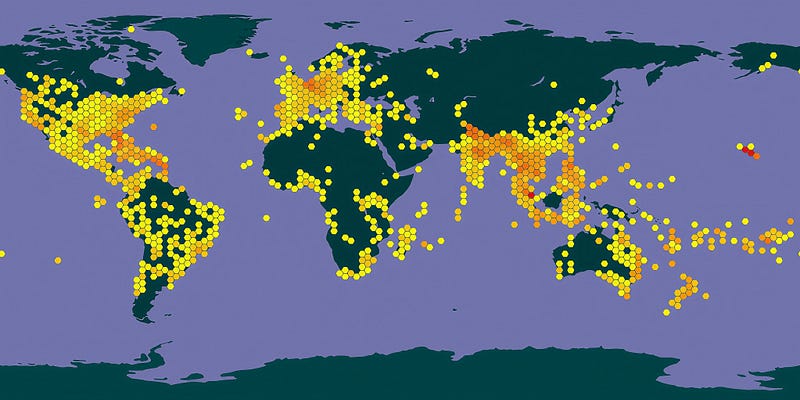
Red junglefowl thrive in humid lowland forests, bamboo thickets, and edges of farmland, especially across India, Myanmar, Thailand, and the Malay Peninsula. They play a quiet but crucial role in their ecosystems, scattering seeds and keeping insect populations in check. However, as human expansion gnaws at their habitats, conservationists have raised alarms. Hybridization with domestic chickens threatens the genetic integrity of true wild populations, leading to initiatives that set aside protected tracts of forest and encourage sustainable farming practices near these habitats.
From Wild to Worldly
Humanity’s relationship with Gallus gallus is nothing short of revolutionary. Their domestication thousands of years ago transformed them into a cornerstone of global agriculture, feeding billions and spawning industries worth tens of billions of dollars annually. Yet the original species still matters profoundly. Conservation programs rely on their genetic diversity to strengthen domestic flocks, and small-scale farmers look to junglefowl traits — such as disease resistance and hardiness — to inform sustainable breeding practices. A thriving wild population is more than an ecological victory; it is an insurance policy for the future of poultry worldwide.
A Culinary Treasure Revisited
Though not commonly hunted today, traditional cuisines in regions like rural Thailand have long revered the wild chicken’s lean, dark meat, prized for its earthy depth and slight gamey tang. Slow-stewed junglefowl, infused with lemongrass and galangal, was once a celebratory dish, its stock simmered for hours until the flesh surrendered its essence to the broth. A whole bird weighs about 2.5 kilograms, equivalent to 5.5 pounds, yielding a meal that easily serves a family. It's lower fat content compared to domestic chicken means careful cooking — poaching or braising — keeps it tender. Nutritionally, its meat offers high protein with lower overall fat, making it a lean choice for those seeking authentic flavors rooted in tradition.
Wine at the Wild Table
Pairing wine with junglefowl is a delightful challenge. Its deeper flavor aligns beautifully with a Pinot Noir, whose bright acidity and notes of cherry and earth echo the bird’s woodland origin. For those favoring white wine, a lightly oaked Chardonnay brings buttery softness to counter the bird’s lean profile. In Southeast Asian preparations that sing with chili and herbs, a chilled Riesling or Gewürztraminer balances heat with sweetness, creating harmony between forest-born game and vineyard-born craft.
A Closing Reflection
To understand Gallus gallus is to bridge the ancient and the modern, the untamed and the familiar. Its heartbeat echoes through centuries of agriculture, yet it remains a creature of wild places, slipping like a shadow through the underbrush. As we savor our next meal of chicken or toast with a glass of wine, it is worth pausing to honor the lineage that began in a jungle, under a canopy heavy with rain and history. Protecting this species means preserving a story that feeds us not just with sustenance, but with a deep connection to the natural world and our past.