Who Cares About the Houthis?
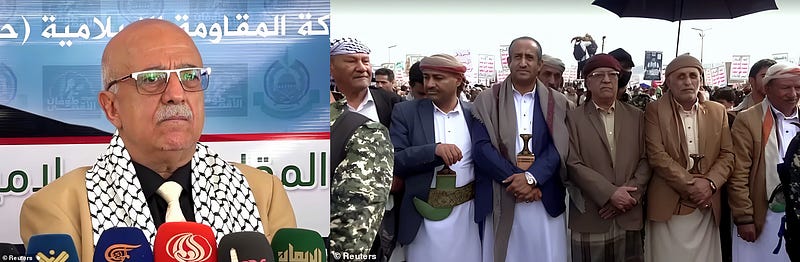
The Houthis are a Shia Islamist political and military organization in Yemen, known for their slogan “Death to America, Death to Israel…
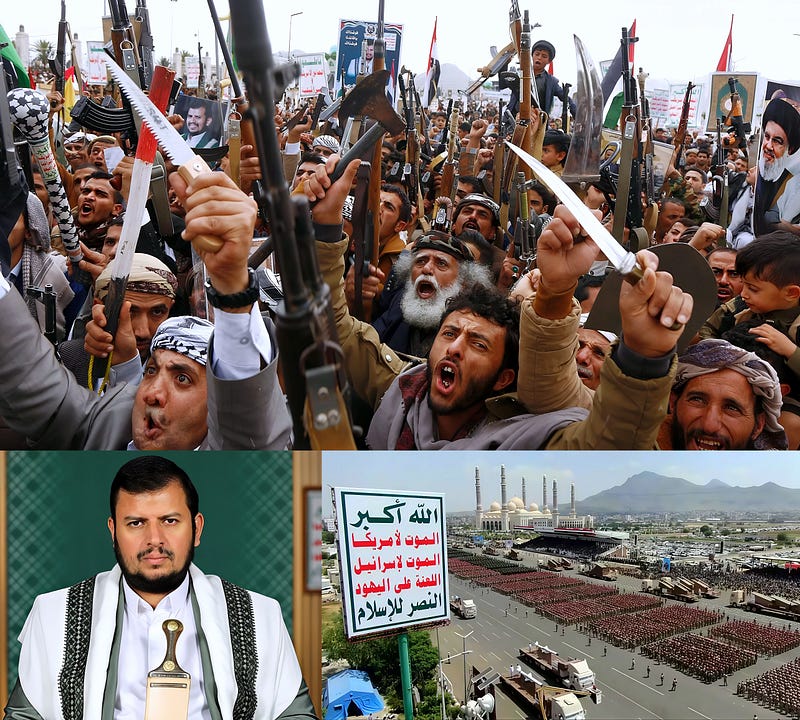
The Houthis are a Shia Islamist political and military organization in Yemen, known for their slogan “Death to America, Death to Israel, Curse be upon the Jews, Victory to Islam”. Founded in 1994 by Hussein al-Houthi, they are currently led by Abdul-Malik al-Houthi and have an estimated 350,000 members. The group follows Zaydi Islam and is part of the Axis of Resistance, with alliances including Iran, Syria, and Hezbollah. They have been accused of human rights violations, such as using child soldiers and hostage-taking, and of having a sectarian and anti-Semitic ideology.
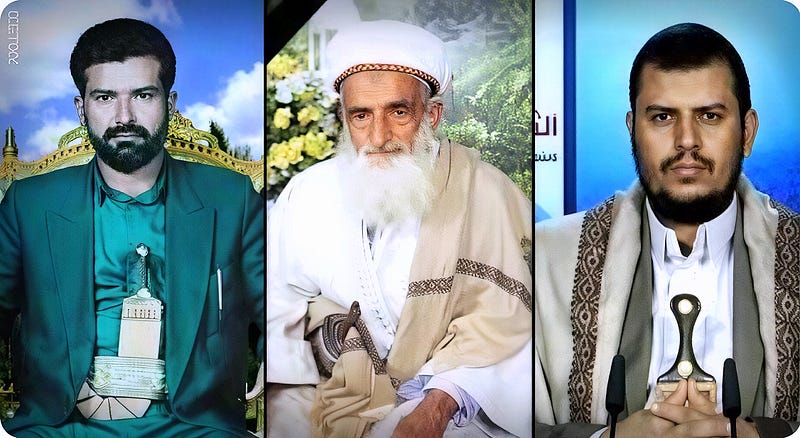
The Houthi movement, a militant group in Yemen, is a significant player in regional and international politics, and many different actors “care” about their actions for various reasons. Their influence extends far beyond Yemen’s borders, impacting global trade, regional power dynamics, and national security interests.
The Houthi Threat: A Multi-faceted Concern
The Houthi movement is not a monolithic threat but a complex actor whose actions are a cause for concern for many different nations and organizations. The primary reasons for this widespread attention can be broken down by the key players involved:
Israel
Israel views the Houthis as a direct and significant threat to its security, and the relationship between them is characterized by direct conflict. This “caring” is not a matter of regional politics, but a matter of national security and survival.
- Direct Attacks: The Houthis have repeatedly launched missiles and drones toward Israel, particularly since the beginning of the Israel-Hamas war. While most of these have been intercepted, the attacks represent a clear and present danger to Israeli territory and civilian populations.
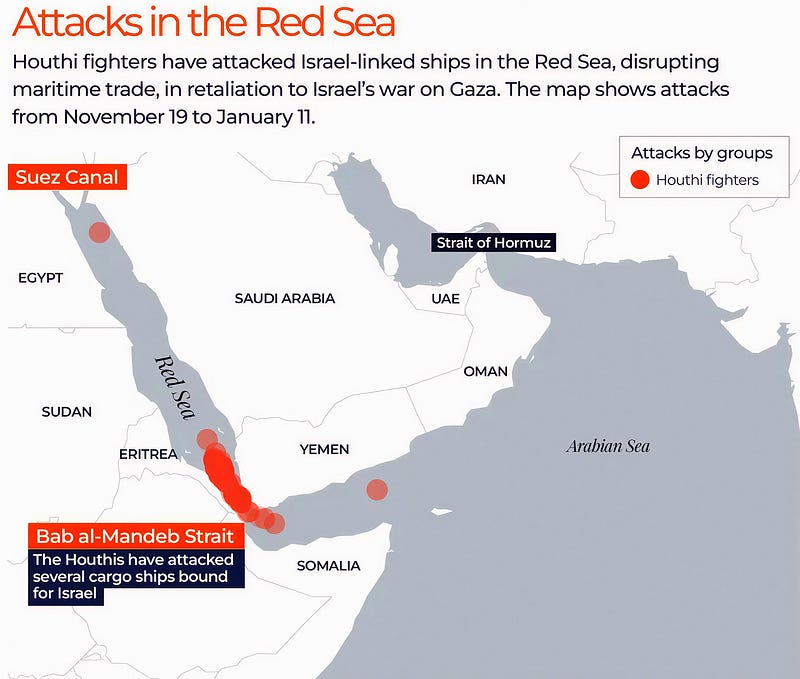
- Threat to Shipping and Trade: The Houthis have targeted commercial vessels in the Red Sea, an essential waterway for Israel’s trade with Asia and other parts of the world. The attacks have forced shipping companies to reroute their vessels around Africa, leading to increased transit times and costs, and causing significant economic damage, especially to the Port of Eilat.
- Iranian Proxy: Israel sees the Houthis as a key part of Iran’s “Axis of Resistance,” a network of proxies aimed at destabilizing the region and threatening Israel from multiple fronts. From Israel’s perspective, the Houthis’ actions are not just their own, but are directed by Tehran. This makes the Houthis a front in the larger, ongoing conflict between Israel and Iran.
- Retaliation and Deterrence: In response to Houthi attacks, Israel has carried out its own airstrikes on Houthi targets in Yemen. These strikes are aimed at degrading the Houthis’ military capabilities and deterring future attacks.
Iran
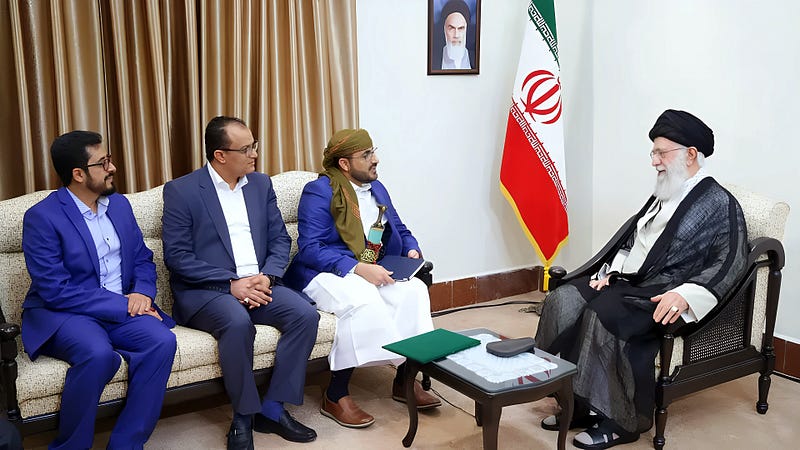
Iran is the Houthis’ primary benefactor, providing them with military assistance, including weapons, training, and intelligence. The Houthis are seen as a key part of Iran’s “Axis of Resistance,” a network of allied groups aimed at countering the influence of the United States, Israel, and Saudi Arabia in the Middle East. By supporting the Houthis, Iran can project power and influence without direct military confrontation.
Saudi Arabia and its Allies (e.g., UAE)
Saudi Arabia sees the Houthis as a direct threat to its national security. The Houthis have launched missile and drone attacks on Saudi territory, and Riyadh views the group as an Iranian proxy on its southern border. A Saudi-led coalition intervened in Yemen in 2015 to restore the internationally recognized government and counter Houthi expansion.
The United States
The US is concerned about the Houthis for several reasons. They are a threat to international shipping lanes in the Red Sea and the Bab al-Mandab Strait, which are vital for global trade. The US also views the Houthis as an Iranian proxy and a destabilizing force in the region. There is also a humanitarian aspect, as the ongoing conflict in Yemen, in which the Houthis are a main combatant, has led to one of the world’s worst humanitarian crises.
Yemen’s Government and People
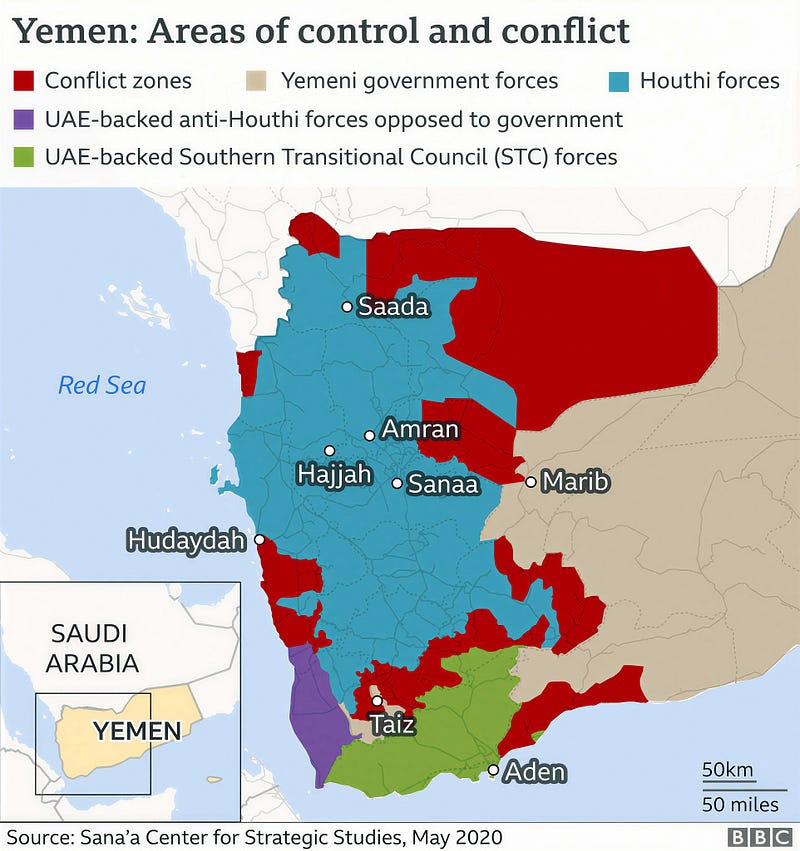
The Houthis control a significant portion of Yemen, including the capital, Sanaa. They are engaged in a civil war against the internationally recognized government and other factions. For the Yemeni people, the Houthis represent one of the main forces in a devastating conflict that has caused widespread suffering, famine, and displacement.
Global Shipping and Trade
The Houthis’ attacks on commercial vessels in the Red Sea have disrupted global supply chains. This has led to many shipping companies rerouting their ships, increasing transit times and costs. This affects countries worldwide that rely on these trade routes.
Humanitarian Organizations
Organizations like the UN and various NGOs are deeply involved in Yemen due to the humanitarian crisis. The Houthis’ actions directly impact the ability of these organizations to deliver aid to a population in desperate need.
In essence, the Houthis’ actions have a ripple effect that extends far beyond Yemen’s borders, impacting regional power dynamics, global trade, and humanitarian efforts. Their role as an Iranian proxy, a destabilizing force in Yemen, and a threat to international commerce makes them a central concern for a diverse range of international actors.