Who Gets Angry at Vague Social Media Posts? Understanding the Psychology Behind the Reaction
It’s a scenario that plays out all too often: someone posts a vague complaint or cryptic message online, and within minutes, a friend (or…
Who Gets Angry at Vague Social Media Posts? Understanding the Psychology Behind the Reaction
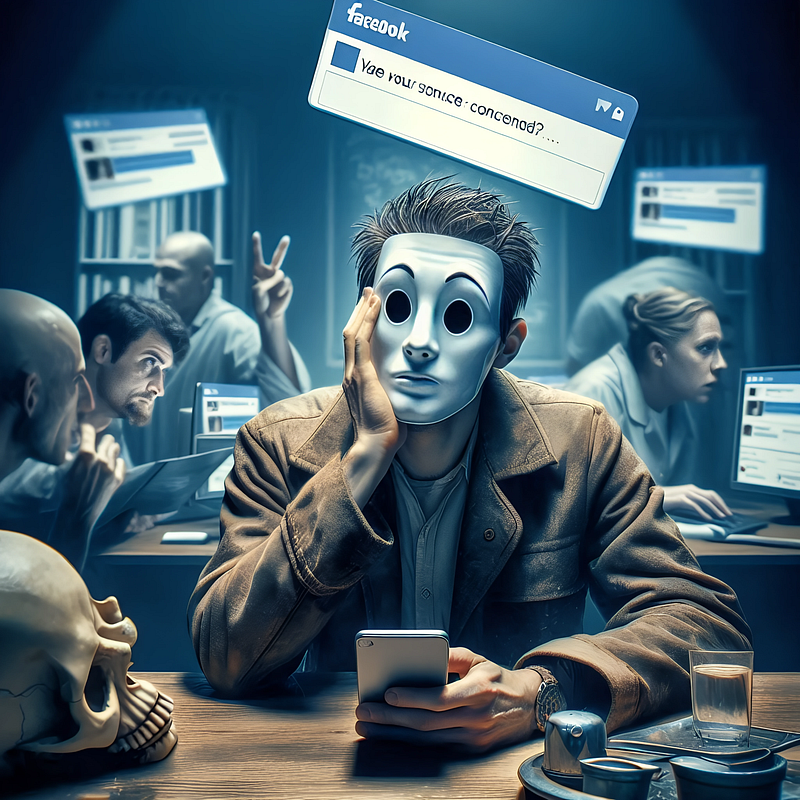
It’s a scenario that plays out all too often: someone posts a vague complaint or cryptic message online, and within minutes, a friend (or follower) explodes with a defensive comment — even though their name wasn’t mentioned. These reactions, often sparked by “vaguebooking” or “subtweeting,” reveal more about the reader than the writer. So, who gets mad at posts they think are about them? The answer, unsurprisingly, runs deeper than petty drama.
People who react strongly to ambiguous content often exhibit a mix of psychological traits. High personal sensitivity — sometimes referred to as neuroticism — plays a significant role. These individuals are prone to interpreting neutral or even random content as personally targeted. Add to that poor emotional regulation, and you’ve got someone who might lash out before they’ve even finished reading the post. It’s less about malice and more about an overactive threat detector, always scanning for subtle jabs or signs of exclusion.
Another layer involves attachment style. Folks with insecure attachment — those who feel chronically unsure about their place in others’ lives — are often hyper-attuned to social cues, especially ones that might signal rejection. A vague post can feel like a passive-aggressive grenade, even when it’s not. There’s also a flavor of narcissism or paranoia here, though not necessarily clinical—just enough self-centered thinking to assume that a post — any post — must be about them.
Interestingly, age plays a nuanced role in all this. Teenagers and young adults are particularly prone to this kind of reactive behavior. Between the ages of 13 and 25, the brain is still wiring itself for impulse control, empathy, and long-term reasoning. Plus, this age group is navigating identity and belonging — an awkward balancing act at the best of times. So when someone posts, “Some people need to learn loyalty,” a 17-year-old might read it as a betrayal, even if it’s just a vent about a TV show character. That said, older adults aren’t immune. Studies have found that heavy social media users in their 40s and 50s report elevated irritability levels, though their anger tends to be more generalized rather than personalized.
At the core of this, though, is emotional maturity — and it’s not just about age. It’s about being able to sit with ambiguity, to pause before reacting, to ask oneself, “Is this really about me?” and, more often than not, let it go. Emotionally mature people can tolerate discomfort and uncertainty without needing immediate validation or conflict resolution. Unfortunately, social media doesn’t encourage that kind of restraint. Several studies suggest that higher social media usage correlates with lower emotional intelligence, especially among younger users. The platforms are engineered for impulsive interaction, not thoughtful reflection.
So the next time someone gets heated over a vague post, it might be worth considering: what emotional itch is that post scratching? Chances are, it’s less about what was said and more about what the reader needed — or feared—to hear. In the end, most of these digital outbursts are less about conflict and more about unresolved stories people carry in silence.