Wings Over Shadows: The Black Vulture’s Secret Life and Surprising Connections
The black vulture, Coragyps atratus, is a bird that moves through our skies and our imaginations with equal stealth. It glides in wide dark…
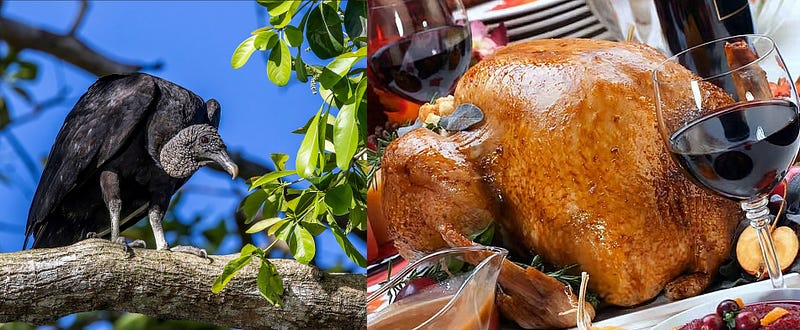
The black vulture, Coragyps atratus, is a bird that moves through our skies and our imaginations with equal stealth. It glides in wide dark circles over farm fields and forest clearings, scanning with unwavering focus for what others have left behind. To some, this vulture is a grim omen, a shadow of death itself. To others, it is a quiet ally, a scavenger that keeps ecosystems clean. In a world that often turns away from what is inconvenient or macabre, the black vulture commands attention because it stands boldly in the place where life meets decay.
Taxonomy and Classification
Scientifically, Coragyps atratus belongs to the family Cathartidae, the New World vultures. It is a close cousin to the turkey vulture but distinct in both appearance and behavior. There are no officially recognized subspecies, though regional variations in size and feather sheen are noted from South Texas down through Central and South America. Known commonly as the black vulture, it has also been called the zopilote or urubu in Spanish- and Portuguese-speaking regions. Unlike domestic fowl or game birds, this species has never been bred into edible varieties, though historically, rural communities in South America have occasionally consumed it out of necessity.
Biology and Physical Marvels
A mature black vulture spreads its wings to a commanding length of about five and a half feet, or roughly 1.7 meters. Its body weight hovers around 4.5 pounds, about 2 kilograms, and is cloaked in sooty black feathers that absorb and shimmer with sunlight in equal measure. The bird’s bald gray head is a marvel of adaptation, keeping bacteria from clinging as it feeds on carrion. They nest not in woven cradles but in hollow stumps, abandoned buildings, or even on the ground, laying one or two eggs that hatch after about 38 days. Their eyesight is keen, and their communal habits — flying and feeding in groups — are a study in cooperative survival.
Ecology and Environmental Role
Across the Americas, from the rural pastures of Georgia to the tropical forests of Brazil, black vultures are nature’s sanitation workers. They strip carcasses clean, preventing the spread of disease, and their digestive systems neutralize pathogens that would threaten other species. They thrive in open landscapes near human activity, often seen perched on fenceposts or circling highways. Yet their growing numbers in some regions have sparked concern over predation on weak livestock, a tension that demands thoughtful management rather than eradication. Sustainable conservation practices increasingly recognize their role in maintaining ecological balance while protecting local farming interests.

Uses and Cultural Relevance
While black vultures are not traditionally traded in markets, their presence indirectly supports rural economies by controlling pests and reducing carcass-related hazards. In certain cultures, vulture feathers are used in ceremonial objects, and folklore often assigns them the role of messengers between life and death. A vulture circling a pasture might signal opportunity to one farmer and misfortune to another, but both interpretations testify to the bird’s deep-rooted significance in human consciousness.
Culinary Aspects and Historic Consumption
The thought of dining on a vulture might raise eyebrows or prompt grim laughter, yet history records that during periods of scarcity, black vultures were occasionally eaten by settlers and indigenous groups. Their meat, dark and dense, was often parboiled to reduce a sharp, metallic tang before being roasted over coals. Though not a staple in any cuisine today, the cultural history of eating scavenger birds illustrates human adaptability in the face of hunger. For those curious about such frontier flavors, imagine the meat as tougher than turkey, with a hint of iron-rich gaminess that would require careful seasoning.
Wine Pairings for the Adventurous
If one were to imagine the rare occasion of preparing such meat in a modern culinary experiment, bold accompaniments would be required. A smoky Argentine Malbec, with its deep plum notes and subtle charred oak, would stand firmly against the intensity of scavenger flesh. Alternatively, a rustic French Syrah, rich with pepper and earthy undertones, would lend balance to the dish’s wild character. The harmony lies in the wine’s ability to echo the primal essence while taming the palate.
Conclusion and Reflection
The black vulture is more than a silhouette drifting on thermal winds. It is a creature bound to the cycles of decay and renewal, a living contradiction that invites us to rethink what we deem ugly or undesirable. In watching these birds soar over a golden field at dusk, we see nature’s quiet efficiency, a reminder that even death feeds life. To honor them is to honor the ancient compact between all creatures and the earth itself, a compact worth protecting as we chart our future.