WNBA Hate: Societal Biases and Growth
The pervasive negativity surrounding the WNBA arises from a tangle of societal biases, cultural misconceptions, and a stubborn resistance…
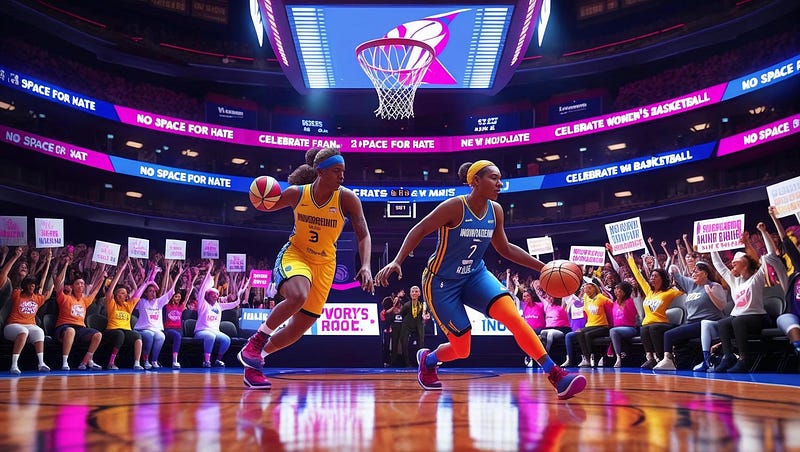
The pervasive negativity surrounding the WNBA arises from a tangle of societal biases, cultural misconceptions, and a stubborn resistance to change, even as the league steadily gains popularity and cultural relevance. At the heart of this hostility lies deep‑rooted sexism and misogyny. Critics deride the league’s very existence as a women‑dominated sports space, labeling it inferior or unwatchable. They rely on reductive biological arguments about athleticism while ignoring the unique skill sets, strategic depth, and on‑court artistry the league consistently demonstrates. These biases flourish online, where anonymity fuels a torrent of racist, misogynistic, and homophobic harassment. Players have repeatedly reported escalating abuse, which the league itself has linked to gender‑based hostility through its public initiatives.
The intersection of race and gender compounds this hostility. Black stars such as Angel Reese endure the heaviest attacks. In one widely reported season opener, Reese was subjected to alleged racial slurs from fans, prompting an official investigation. Her experience illustrates how race and gender intersect in ways that magnify vitriol, both in arenas and across digital spaces.
Another driving force is the resistance to a shifting sports culture. The WNBA’s advocacy for racial equality, LGBTQ+ rights, and other social justice causes is framed by detractors as political intrusion, as though sports have ever truly been apolitical. This resentment overlooks the league’s longstanding tradition of amplifying marginalized voices and portrays cultural progress as division rather than evolution.
Economic misconceptions also fuel the backlash. Critics weaponize salaries and revenue to claim the league does not merit investment, mocking player pay without acknowledging the NBA’s half‑century advantage in revenue building. Record‑breaking viewership numbers in women’s college basketball, which have directly boosted WNBA attendance and engagement, are dismissed as niche rather than recognized as momentum.
Digital spaces have amplified this hostility. Social media algorithms thrive on outrage, propelling hateful commentary to the forefront. The league’s AI‑driven hate‑speech monitoring tool, introduced in 2025, has documented how these online attacks bleed into real‑world threats, affecting both player safety and mental health. High‑profile athletes like Reese endure harassment that continues well beyond the final buzzer, creating a relentless cycle.
In response, the WNBA has launched a comprehensive anti‑hate initiative called “No Space for Hate.” This program includes enhanced arena security, enforceable fan conduct codes, increased mental health resources for players, and unified messaging through public service announcements, court graphics, and apparel worn during warm‑ups. The initiative makes it clear that the animosity directed toward the league is not mere fan opinion but a systemic issue demanding structural solutions.
The reality is starkly different from the common criticisms. The claim that no one watches is shattered by millions tuning into marquee events and by the league’s year‑over‑year surge in viewership. Salary complaints ignore that overseas leagues pay more while the WNBA actively invests in sustainable growth. Assertions that the product is boring are belied by fierce rivalries, heightened athleticism, and a cultural moment that captures genuine excitement.
The hostility toward the WNBA is a mirror reflecting broader social struggles with gender, race, and progress. Yet the league pushes forward, powered by its players’ star power, civic advocacy, and bold policies aimed at creating a safer and more inclusive environment. To embrace the WNBA is to celebrate the evolution of basketball itself. Those who cannot appreciate that evolution should simply turn away, rather than contribute to a cycle of harm that benefits no one.