Yanji City, the capital of the Yanbian Korean Autonomous Prefecture in Jilin Province, is a…
Employment and Economy Yanji has long functioned as a crucial hub for cross‑border trade and cultural exchange, and that heritage has…
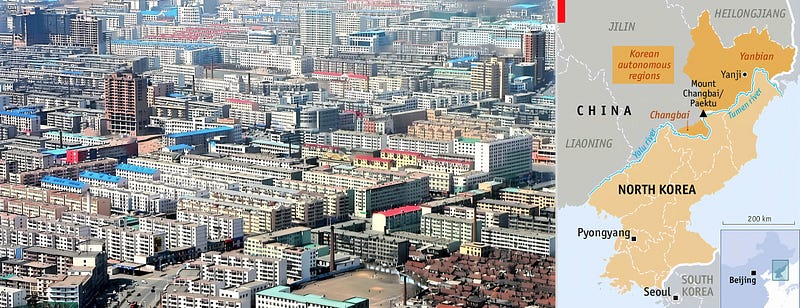
Yanji City: A Prosperous Border Gem Defying Its Harsh Neighbors
Yanji City, the capital of the Yanbian Korean Autonomous Prefecture in Jilin Province, is a fascinating outlier on the map of Northeast Asia. It sits only a short drive from the borders of both North Korea and Russia, yet it feels worlds apart in its development, its daily rhythms, and the apparent prosperity of its people.
Employment and Economy
Yanji has long functioned as a crucial hub for cross‑border trade and cultural exchange, and that heritage has created unusual economic resilience for a city of its size. The local economy is built on several pillars:
• Trade and Services: Its proximity to North Korea and Russia makes Yanji a gateway for commerce, with a lively wholesale market scene and a strong logistics sector. Many local companies engage in import‑export, and because of longstanding ethnic Korean ties, Yanji has enjoyed privileges in trade policies that other inland Chinese cities lack.
• Tourism: Yanji benefits from steady streams of visitors, both domestic and Korean‑Chinese, drawn by its reputation for clean streets, excellent Korean cuisine, and a surprisingly cosmopolitan nightlife. Hotels, restaurants, and retail are major employers.
• Education and Public Sector: The city hosts Yanbian University, one of the region’s premier institutions, which not only brings professors, researchers, and students from all over but also infuses the local economy with educational and cultural capital.
• Agriculture and Light Industry: Surrounding Yanji, fertile land produces corn, soybeans, and ginseng, and these feed into food‑processing and health‑product industries. Employment in these sectors tends to be stable and well‑supported by local government initiatives.
Unemployment is relatively low by regional standards, partly because the city has aggressively pursued infrastructure investments and small‑business incentives. Many families maintain cross‑border income streams — sending goods, remittances, or services into North Korea or Russia — adding another layer of financial security uncommon in the region.
High Level of Living and Urban Character
Yanji surprises many visitors because it simply looks better than much of its immediate neighborhood. Streets are wide and meticulously maintained. Apartment blocks are modern, with bright façades and landscaped courtyards. Cafés and bakeries line boulevards where you’re as likely to hear Korean as Mandarin. This is not an accident but the result of years of targeted urban planning and a deliberate effort to make Yanji a showpiece for ethnic harmony and development.
Where nearby Russian border towns often feel hollowed out and North Korean settlements are starkly austere, Yanji exudes energy. Its prosperity is also distinct from many rural parts of South Korea or inland Chinese cities, which may lag in infrastructure or present signs of aging industries. In Yanji, public services such as healthcare and education punch above their weight. Crime is low, and public spaces — parks, sports facilities, cultural centers — are well funded.
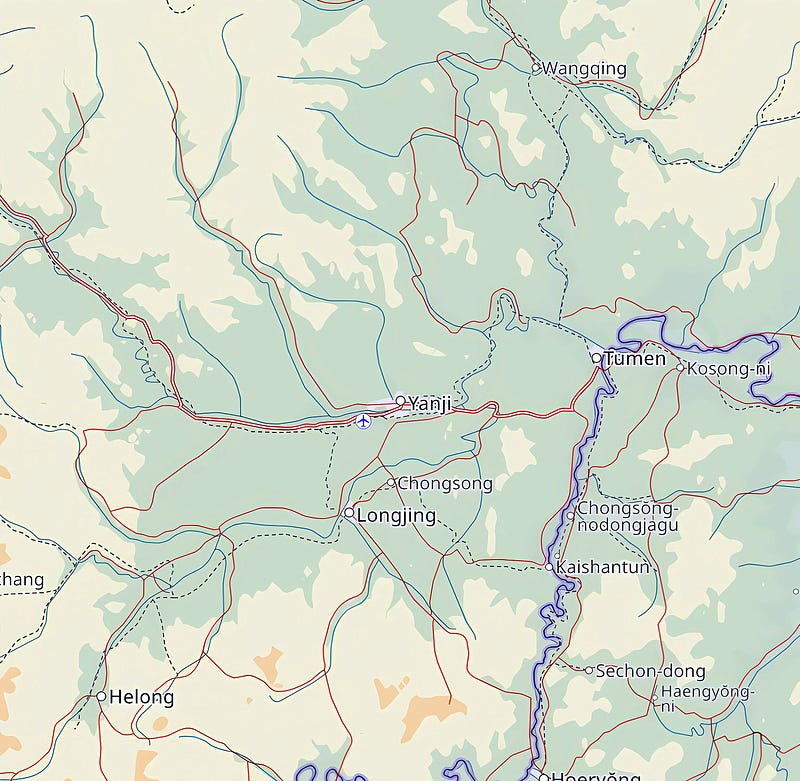
Why It Stands Apart from Neighbors
Part of the secret lies in its unique status as an autonomous prefecture seat. Beijing has historically invested in Yanbian to showcase a model minority region, and that money shows in polished roads, tidy signage, and an urban core that feels almost European in tidiness. Cross‑border trade has given residents access to goods and ideas far beyond what one might expect in a remote corner of Jilin. Add to this a sizable ethnic Korean population with strong ties to South Korea — ties that bring remittances, investment, and cultural influence — and you have a city whose cultural and economic lifeblood flows much richer than that of its harsher neighbors.
In short, Yanji is a frontier city that doesn’t feel like a frontier at all. It is a place where borderlands become opportunities rather than liabilities, where commerce and culture keep the streets vibrant, and where the average resident enjoys a standard of living that can quietly outshine the gray austerity of cities just over the next hill. It’s a city that feels like a promise fulfilled in a region where, too often, promises are broken.