Yanji: Where Korea Meets China in a Borderland Economy
Nestled in the Jilin Province of Northeast China, Yanji City thrives as the vibrant heart of China’s Korean Autonomous Prefecture. Its…
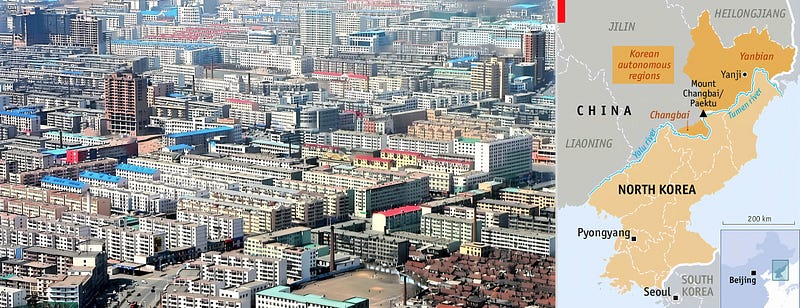
Nestled in the Jilin Province of Northeast China, Yanji City thrives as the vibrant heart of China’s Korean Autonomous Prefecture. Its economy is a fascinating tapestry woven from cross-border trade, cultural heritage, and distinct regional challenges.
Yanji serves as a crucial gateway for trade with neighboring North Korea, particularly through the Wonjong-ni-Quanhe border crossing. Following the pandemic, road-based trade surged dramatically, settling at levels significantly higher than before, driven by exports of textiles, electronics, and machinery. However, this vital trade corridor also brings challenges, including the shadow of narcotics trafficking, straining local resources.
Beyond the border, Yanji functions as a key industrial and processing hub for the surrounding region. Local factories transform agricultural harvests and timber from the nearby Changbai Mountains into food products, textiles, paper, and appliances. Pharmaceuticals and electronics also feature prominently. Aligning with broader provincial goals, Yanji is exploring new frontiers in green energy, particularly wind-based hydrogen projects.
The city’s identity is deeply intertwined with its large ethnic Korean population, constituting about half of its residents. This fuels a dynamic cultural economy centered on Korean language services, media, and cuisine, attracting tourism and fostering unique ties with both North and South Korea. Yanbian University stands as a pillar of this community and the wider economy. As a nationally recognized institution, it drives research in areas like Changbai Mountain biology and Korean studies, attracting thousands of students, including international scholars, and fostering academic partnerships across the Korean peninsula.
Tourism leverages Yanji’s unique position. Proximity to the iconic Mount Paektu and the intrigue of the North Korean border support niche adventure and “borderlands” tourism, complemented by urban amenities catering to visitors.
Yet, Yanji faces significant headwinds common to Northeast China. A rapidly ageing population and the outmigration of younger residents create a shrinking labor force, posing long-term challenges to economic sustainability and urbanization efforts. While recognized nationally for development initiatives and infrastructure upgrades, overcoming these demographic trends remains a critical task for Yanji’s future prosperity. Its economy is ultimately defined by this interplay of geographical advantage, cultural richness, and persistent structural challenges.