Baharat: The Soulful Spice Blend That Bridges Cultures and Generations
In every kitchen, there is a heartbeat — a scent rising from the pan, a memory stirred into the simmering pot. Few culinary creations…
In every kitchen, there is a heartbeat — a scent rising from the pan, a memory stirred into the simmering pot. Few culinary creations capture this rhythm of culture and history like Baharat, a spice blend that transcends borders and whispers stories from centuries past. From the bustling souks of the Levant to the coastal kitchens of North Africa, Baharat is more than a seasoning. It is a living testament to trade routes, family traditions, and the artistry of balance. To explore Baharat is to step into a world where biology meets culinary craftsmanship, and where sustainability meets the age-old art of flavor.
Taxonomy: The World Within a Blend
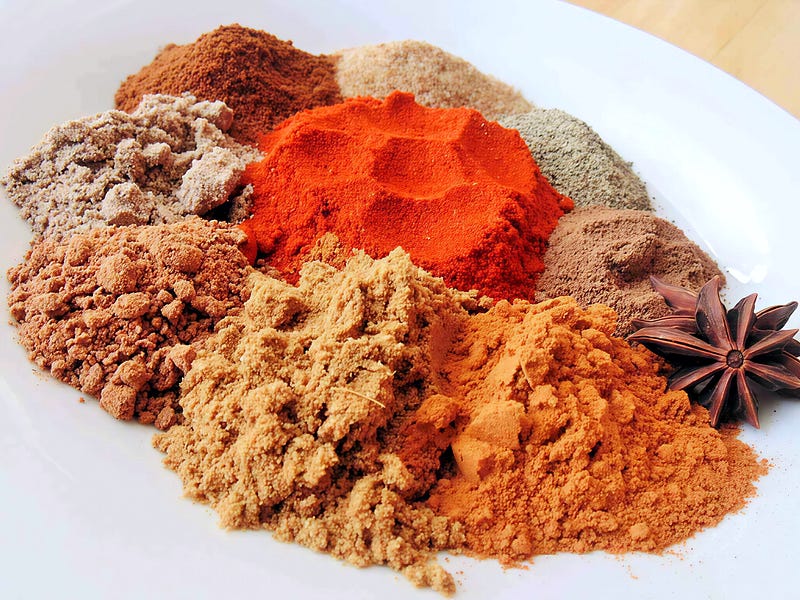
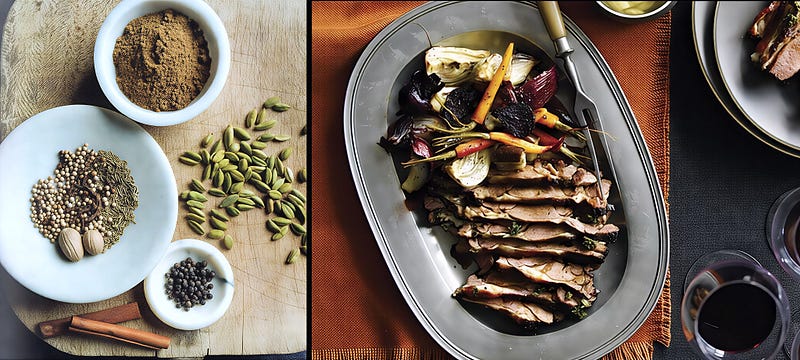
Baharat is not a single plant, but rather a composition of spices, each with its own taxonomic identity, woven together into a symphony. At its core are members of the Piper nigrum species — black peppercorns, whose flowering vines stretch across tropical belts. Often, dried fruits of Capsicum annuum, commonly known as paprika, add vibrant color and smoky undertones. Cinnamomum verum contributes its sweet, woody bark; Cuminum cyminum brings earthy cumin seeds; while Syzygium aromaticum offers clove’s pungent, medicinal warmth. Sometimes nutmeg, from Myristica fragrans, and fragrant cardamom, from Elettaria cardamomum, make appearances, depending on regional preference. Each botanical contributor is cultivated, harvested, and traded in a delicate chain that connects farmers in distant climates with tables around the world.
Biology: Traits That Define a Tradition
The building blocks of Baharat are marvels of biological adaptation. The black pepper vine coils through humid canopies, using trees as natural trellises, its drupes ripening in clusters that require careful handpicking. The cumin plant, with its feathery leaves and delicate umbels of flowers, thrives in arid soils, its seeds hiding oils rich in cuminaldehyde. Paprika peppers, in turn, are nightshades evolved to attract dispersers with their bright red pods while containing capsaicin to deter herbivores. Cinnamon trees shed inner bark that, when dried, curls into quills — a natural defense mechanism that doubles as a culinary treasure. Each species in Baharat’s composition tells its biological tale of survival and adaptation, yet together they become something entirely new.
Ecology: Landscapes Behind the Blend
Behind every jar of Baharat are ecosystems both fragile and resilient. Pepper plantations require shaded biodiversity to thrive, encouraging agroforestry systems that harbor birds and pollinators. Cumin fields often stretch across semi-desert regions, and sustainable rotation practices are crucial to maintain soil health in those arid zones. Clove trees stand tall in humid island climates, their cultivation often intertwined with smallholder economies that depend on seasonal rains. The ecological web is intricate, and sustainability hinges on careful stewardship — ethical sourcing and fair-trade practices help ensure these spices continue to flavor our future without exhausting their origins.
Uses: More Than a Spice Jar
Baharat is an economic driver in spice markets across the Middle East and North Africa, commanding value far beyond its humble form. Artisans grind and blend it to order in bazaars, sustaining a local economy built on flavor and trust. Exporters ship it worldwide, capitalizing on its growing popularity in global gastronomy. Its sustainability lies in its diversity — each ingredient comes from a different region, ensuring no single ecosystem bears the full weight of demand. Beyond the kitchen, some components of Baharat appear in traditional medicine, where their oils and extracts are valued for antimicrobial and digestive properties.
Culinary Aspects: A Symphony on the Tongue
To taste Baharat is to experience a warm embrace of earthiness, sweetness, and gentle heat. In Lebanese kitchens, it seasons minced lamb for kofta, its pepper and clove notes rising as the meat sizzles over coals. In Turkish stews, it deepens the broth with cinnamon and nutmeg, creating a whisper of sweetness amid savory depths. In Gulf cuisine, Baharat perfumes rice dishes, its cumin and cardamom dancing with saffron. The blend is not rigid; it is alive, adapted by each cook’s hand and palate, yet always faithful to its soulful balance. Its nutritional benefits echo its diversity — antioxidants from cloves, digestive aids from cumin, anti-inflammatory compounds from cinnamon, all carried in a matrix of essential oils that nourish as they delight.
Wine Pairings: Finding the Perfect Match
Baharat’s complexity invites wines that respect its spice while offering contrast. A Grenache from the Rhône Valley, with its ripe red fruit and soft tannins, complements the smoky paprika and warm pepper. A lightly oaked Chardonnay pairs beautifully with cinnamon-laced stews, its creamy notes softening the edges of spice. For richer meats infused with Baharat, a Syrah or Shiraz steps forward, its peppery undertones echoing the blend itself. These pairings elevate the meal from mere sustenance to a tapestry of flavors shared across cultures.
Conclusion: A Flavor That Endures
Baharat is more than a seasoning; it is a bridge between the earth’s botanical bounty and humanity’s longing for connection through food. In every pinch lies a lineage of farmers, traders, cooks, and families who shaped its story. As global palates grow adventurous and sustainability becomes a shared responsibility, Baharat reminds us that the most enduring creations are those that honor both tradition and the future. Let it inspire your next meal, not as a spice to be sprinkled, but as a narrative to be savored.