I Know You’re Lying
Introduction

Introduction
Lying is a complex human behavior defined as the deliberate act of conveying false or misleading information with the intention to deceive others. It is a universal phenomenon prevalent across cultures and social contexts, ranging from harmless white lies to severe fraudulent statements. Despite its common occurrence, lying often fails to serve as an effective mechanism for adapting to difficult situations or managing life’s challenges. This story posits that lying is ultimately maladaptive because humans are inherently equipped — both neurologically and behaviorally — to detect deception. The very mechanisms that enable lying also make its detection possible, leading to a cycle of distrust and psychological stress that undermines the perceived short-term benefits of dishonesty. Through an exploration of the neurological, physiological, and psychological dimensions of lying, this story demonstrates that deception is not a viable strategy for navigating life’s complexities.
Explanation of the Neurological and Physiological Processes Involved in Lying
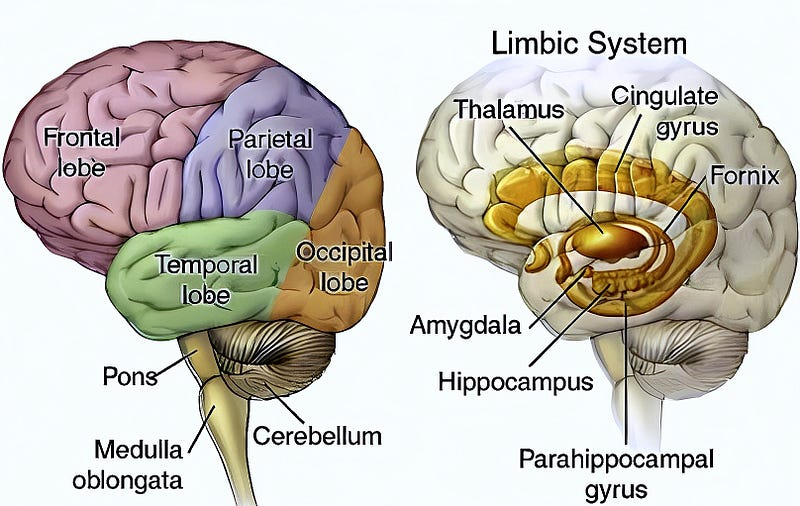
Lying engages a complex network of brain regions and physiological systems, making it a cognitively demanding and stress-inducing process. The prefrontal cortex, particularly the dorsolateral and ventromedial areas, plays a central role in deception by supporting executive functions such as decision-making, inhibition, and cognitive control. This region is responsible for suppressing truthful responses while constructing and maintaining false narratives. Additionally, the anterior cingulate cortex monitors conflicts between truth and falsehood, contributing to the increased cognitive load associated with lying. The amygdala, a key structure in emotional processing, becomes activated during acts of deception, generating feelings of fear, anxiety, or guilt. This emotional arousal is part of a broader stress response that accompanies lying.
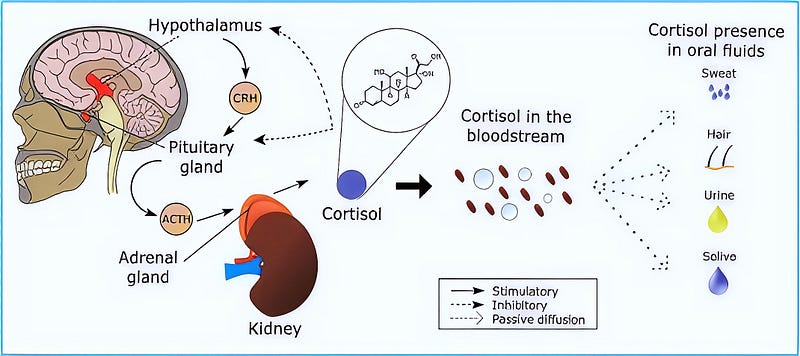
Physiologically, lying triggers the body’s sympathetic nervous system, leading to measurable biomarkers and indicators of stress. Increased heart rate, sweating, and elevated blood pressure are common responses, as the body prepares for a potential threat. These reactions are driven by the release of stress hormones like cortisol, which can impair cognitive function and emotional regulation over time. Studies have shown that even experienced liars exhibit subtle but detectable physiological changes, though these may diminish with habitual deception. The combination of neural and physiological activity during lying creates a detectable signature that humans are inherently equipped to recognize, whether consciously or subconsciously.
Presentation of Studies and Research Findings
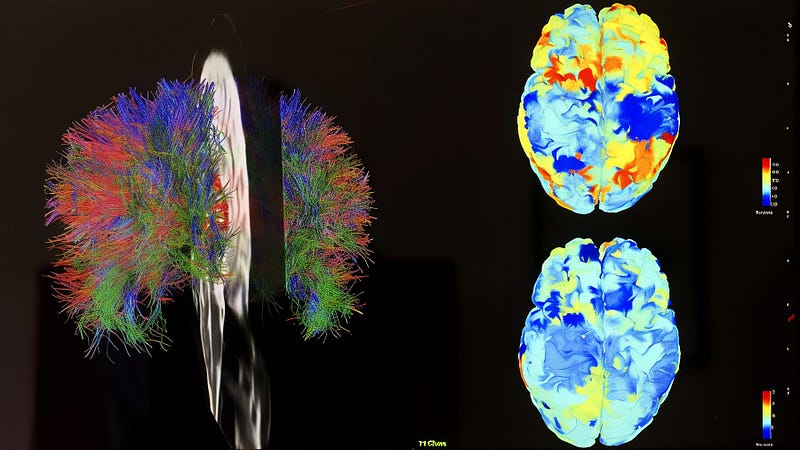
Research in psychology and neuroscience provides compelling evidence that humans are effective lie detectors, capable of identifying deception through various verbal and non-verbal cues. Studies using functional magnetic resonance imaging (fMRI) have consistently shown that lying activates distinct brain regions, such as the prefrontal cortex and amygdala, which can be differentiated from truth-telling patterns. For instance, individuals with higher levels of dishonesty exhibit reduced activity in regions like the left caudate and ventromedial prefrontal cortex, suggesting that repeated lying may desensitize neural responses but also make lies more detectable through behavioral leakage.
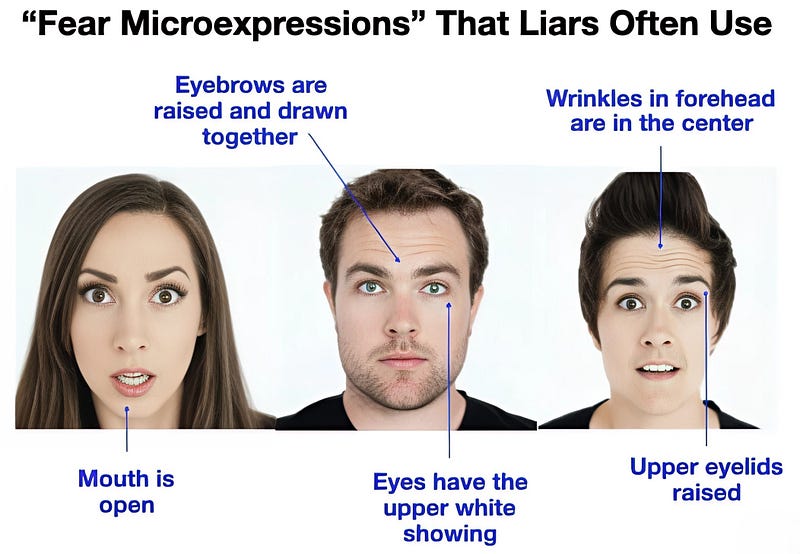
Non-verbal cues, such as micro-expressions and body language, play a critical role in lie detection. Micro-expressions — brief, involuntary facial expressions that reveal concealed emotions — occur in as little as 1/25th of a second and provide windows into a person’s true feelings. These subtle signals, along with emblematic slips (e.g., fragmented shrugs or contradictory head movements), often betray deceptive intentions. Although people are generally mediocre lie detectors at chance levels, training in recognizing these cues can improve accuracy. However, the absence of universally reliable non-verbal cues underscores the complexity of deception detection and the role of individual differences.
Despite the potential short-term benefits of lying, such as avoiding punishment or gaining social advantage, deception is ultimately detrimental to adaptive functioning. Lies erode trust in personal and professional relationships, leading to social isolation and psychological distress. The cognitive load of maintaining falsehoods can impair decision-making and increase stress, while the physiological costs of repeated deception contribute to long-term health risks. In extreme cases, habitual lying can desensitize neural responses to dishonesty, creating a vicious cycle where lies become easier to tell but harder to conceal. Empirical studies have demonstrated that lying fails to provide sustainable solutions to life’s challenges, as the initial gains are often outweighed by the consequences of detection and the erosion of social integrity.
Conclusion
Lying is a multifaceted behavior deeply rooted in human neurology and physiology, yet it is ultimately counterproductive as a strategy for adapting to difficult situations. The very brain regions and physiological responses that enable deception also make it detectable, as humans possess an inherent capacity — though imperfect — to recognize lies through micro-expressions, body language, and other cues. While lying may offer temporary relief or advantage, its long-term costs include eroded trust, increased stress, and social dysfunction. Embracing honesty not only aligns with ethical communication but also promotes psychological well-being and sustainable relationships. As natural lie-detectors, humans are wired to value truth, making honesty the most adaptive path forward in navigating life’s challenges.