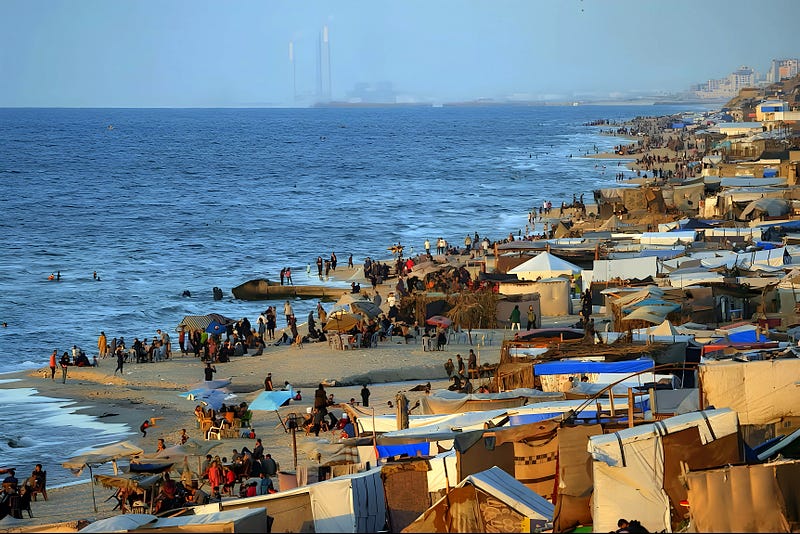
Israel’s Operation Gideon’s Chariots: Naval Dimensions of a Multi-Domain Strategy
Operation Gideon’s Chariots represents a significant evolution in Israeli military strategy, combining ground, air, and naval elements in a…
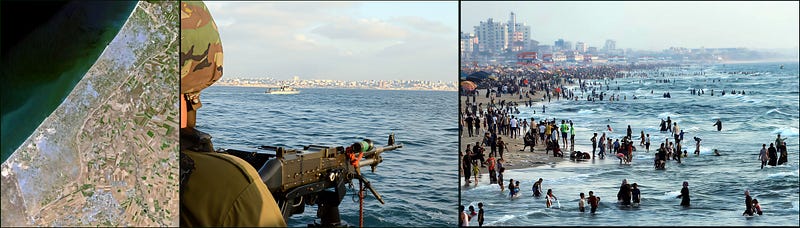
Operation Gideon’s Chariots represents a significant evolution in Israeli military strategy, combining ground, air, and naval elements in a comprehensive approach to urban warfare and territorial control. While primarily recognized as a ground offensive in the Gaza Strip, the operation incorporates substantial naval components that enhance Israel’s ability to project power, enforce blockades, and support multi-domain operations. The strategy emerges from Israel’s ongoing security challenges and reflects a doctrinal shift toward sustained territorial dominance rather than periodic punitive raids. The name itself draws biblical inspiration from Gideon, a judicial figure who led a small force to victory through unconventional tactics, symbolizing the Israeli military’s approach to asymmetric warfare.
The operational context for Gideon’s Chariots stems from the protracted conflict with Hamas and other Palestinian factions, with particular emphasis on securing coastal areas and preventing the smuggling of weapons via maritime routes. Israel’s naval forces have historically played a secondary role to ground and air operations, but this strategy signals a renewed commitment to integrating naval capabilities into comprehensive campaign planning. The development of this approach occurred alongside increasing international pressure and complex ceasefire negotiations, with Israeli planners seeking to leverage all military domains to achieve strategic objectives.
Objectives of the Naval Strategy
The primary objectives of the naval component within Operation Gideon’s Chariots focus on establishing maritime dominance, intercepting weapons shipments, and supporting ground operations through coastal bombardment and logistical support. The strategy aims to completely dismantle Hamas’s military and administrative infrastructure, including any maritime capabilities the organization might possess. This includes destroying vessels used for smuggling, targeting coastal defense positions, and preventing the movement of personnel via sea routes. A key goal is the establishment of a permanent naval blockade that regulates all maritime traffic in and out of Gaza, effectively cutting off Hamas from potential reinforcement or resupply by sea.
Another critical objective involves facilitating the deployment of ground forces through amphibious operations and providing artillery support from naval platforms. The Israeli Navy seeks to create a secure environment along Gaza’s coastline that allows for the safe movement of humanitarian aid under Israeli supervision while preventing the illicit transfer of weapons. The strategy also aims to gather intelligence through maritime surveillance systems and to deny Hamas the ability to develop naval capabilities that could threaten Israeli coastal communities or offshore energy infrastructure.
Tactics and Techniques
The tactical implementation of the naval strategy involves a combination of blockade enforcement, amphibious operations, and naval artillery support. Israeli naval vessels maintain a constant presence off the coast of Gaza, monitoring all maritime activity and intercepting ships suspected of transporting weapons or personnel. The navy employs a layered approach to maritime security, combining patrol boats, drones, and surveillance systems to create a comprehensive picture of the maritime domain. This enables rapid response to potential threats and allows for coordinated operations with ground and air forces.
Amphibious tactics include targeted raids along the coastline, with naval commandos conducting operations against coastal infrastructure and smuggling tunnels. These operations often occur under the cover of darkness and involve sophisticated intelligence gathering and rapid insertion and extraction techniques. Naval artillery provides precise fire support for ground operations, with ships positioned to target locations that may be difficult to reach from land-based artillery positions. The integration of naval fires with ground maneuver elements represents a significant evolution in Israel’s approach to combined arms operations in the Gaza context.
The strategy also involves psychological operations, with naval vessels serving as visible symbols of Israeli military presence and control. The constant presence of warships off the coast reinforces the perception of complete Israeli dominance over Gaza’s maritime approaches, potentially influencing both combatant and civilian behavior. The naval component works in close coordination with ground forces to establish control over coastal areas, particularly in the northern and southern regions of Gaza, where smuggling activity has historically been concentrated.

Technological Advancements
Operation Gideon’s Chariots incorporates several technological advancements that enhance naval capabilities in the maritime environment. The Israeli Navy has deployed advanced radar and sensor systems that improve surveillance capabilities and allow for better detection of small vessels that might be used for smuggling operations. Unmanned surface vessels and underwater drones provide additional intelligence gathering options while reducing risk to personnel. These systems can patrol shallow waters and areas that may be inaccessible to larger vessels, providing comprehensive coverage of the maritime domain.
The integration of artificial intelligence and data analytics helps naval commanders process information from multiple sources and identify patterns of suspicious activity. This network-centric approach allows for more efficient allocation of resources and quicker response to potential threats. The Navy has also enhanced its communication systems to ensure seamless coordination with ground and air forces, enabling real-time sharing of intelligence and more effective combined operations.
Naval platforms have been upgraded with more precise targeting systems for artillery support, reducing collateral damage and improving effectiveness against point targets. The Israeli Navy has also developed improved techniques for boarding operations and maritime interception, with specialized equipment that allows for safer and more efficient inspection of suspect vessels. These technological enhancements represent a significant investment in naval capabilities and reflect Israel’s commitment to maintaining maritime superiority in the Eastern Mediterranean.
Implications and Impact
The naval component of Operation Gideon’s Chariots has significant implications for regional security dynamics and the balance of power in the Eastern Mediterranean. By demonstrating enhanced naval capabilities and a willingness to employ them in sustained operations, Israel signals its determination to control all approaches to Gaza and prevent the strengthening of hostile forces. This has potential ramifications for Israel’s relationships with neighboring countries, particularly those with interests in the maritime domain, such as Egypt and Cyprus. The strategy may also influence how other regional actors approach maritime security and blockade operations.
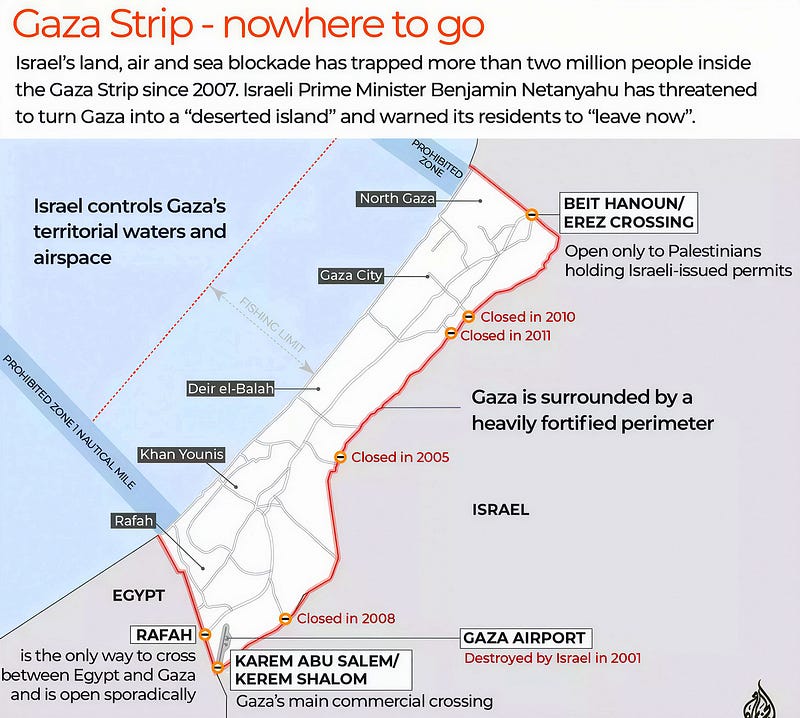
The impact on Hamas and other Palestinian factions is substantial, as the naval dimension further constrains their ability to import weapons and equipment. The complete Israeli control of Gaza’s maritime space represents another layer in the comprehensive isolation of the territory, compounding the effects of land and air restrictions. This may force militant groups to develop alternative smuggling methods or invest in counter-naval capabilities, potentially leading to an escalation in the technological sophistication of the conflict.
Internationally, the naval blockade and associated operations have drawn criticism from various quarters, with some alleging violations of international maritime law. The humanitarian implications of restricting maritime access to Gaza have been particularly controversial, with concerns about the effect on the civilian population and the delivery of essential supplies. The strategy has also influenced military planning among other nations, particularly regarding the integration of naval capabilities with urban warfare operations and the enforcement of maritime security zones in conflict areas.
Comparison with Other Strategies
When compared to other contemporary naval strategies, Operation Gideon’s Chariots represents a unique approach to littoral warfare in densely populated coastal environments. Unlike traditional naval strategies that focus on blue-water operations or power projection across vast distances, the Israeli approach emphasizes control of a limited coastal zone in support of ground operations. This distinguishes it from the offshore balancing strategies employed by major powers or the freedom of navigation operations conducted in international waterways.
The strategy shares some similarities with coastal blockade operations conducted by other nations in conflict zones, but with a greater degree of integration with ground and air operations. The emphasis on intelligence gathering and targeted strikes rather than comprehensive destruction of coastal infrastructure represents a more nuanced approach than that seen in some historical naval blockades. The combination of high-technology surveillance systems with traditional naval presence operations creates a hybrid model that may influence how other nations approach similar challenges.
The Israeli naval strategy differs from previous approaches to the Gaza conflict by emphasizing persistence and sustained presence rather than periodic enforcement operations. This represents a shift toward a more comprehensive maritime security paradigm that aligns with the overall Israeli approach to the Gaza situation following the events of October 2023. The integration of naval capabilities into a broader multi-domain operation represents an innovation in how naval power supports land campaigns in complex urban environments.
Conclusion
Operation Gideon’s Chariots represents a significant evolution in Israeli naval strategy, integrating maritime capabilities into a comprehensive approach to conflict in Gaza. The naval component enhances Israel’s ability to control the maritime domain, prevent the smuggling of weapons, and support ground operations through artillery fire and amphibious capabilities. While the operation has faced challenges and criticism, particularly regarding its humanitarian implications, it demonstrates Israel’s commitment to using all military domains to achieve its security objectives.
The strategy reflects broader trends in naval warfare, including the increased use of unmanned systems, network-centric approaches to maritime security, and the integration of naval capabilities with other military domains. The emphasis on intelligence gathering and precise targeting rather than overwhelming firepower represents a sophisticated approach to naval operations in complex environments. As the situation in Gaza continues to evolve, the naval dimension of Operation Gideon’s Chariots will likely adapt to new challenges and opportunities, potentially influencing naval strategies in similar contexts worldwide.
The future evolution of the strategy will likely involve further technological enhancements, particularly in the areas of unmanned systems and artificial intelligence. The Israeli Navy may also develop new tactics and procedures based on lessons learned during the operation, potentially influencing broader Israeli military doctrine. As regional dynamics continue to shift, the naval component of Israel’s approach to Gaza may serve as a model for other nations facing similar security challenges, though it will undoubtedly continue to generate debate and controversy in international forums.