Pa Chad Fa: Thailand’s Silver Ghost of the Streams
Introduction
Introduction
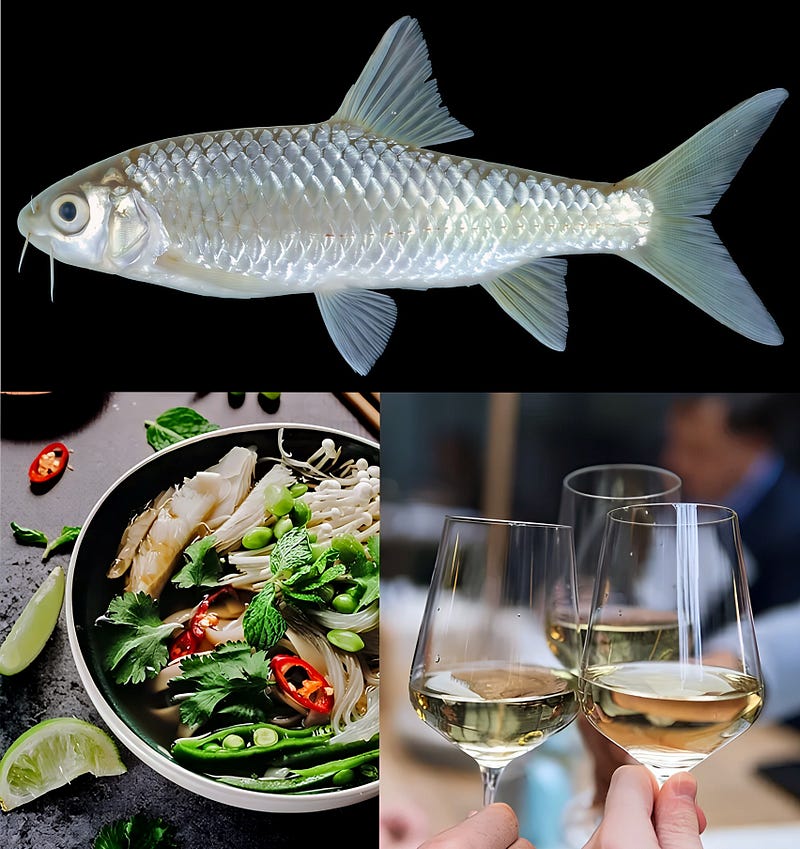
In the cool, fast-flowing mountain streams of northern Thailand, a rare and shimmering presence slips between the rocks — Poropuntius angustus, known locally as Pa Chad Fa. To the untrained eye, this humble cyprinid may seem like just another freshwater fish. Still, to those who know the rhythm of rivers and the culture of Thai cuisine, it is a living emblem of biodiversity, resilience, and heritage. As climate pressures mount and local fisheries face overexploitation, the fate of Pa Chad Fa hangs in the balance—a vital thread in the larger fabric of sustainability.
Taxonomy
Poropuntius angustus belongs to the Cyprinidae family, a sprawling clan that includes barbs, carps, and minnows — fish that have sustained Asian civilizations for millennia. The genus Poropuntius encompasses several species of small to medium-sized freshwater fishes, many of them endemic to Southeast Asia. P. angustus itself is most commonly found in Thailand’s upper Chao Phraya and Mekong river basins. It shares lineage with better-known relatives like Poropuntius normani, but its distinguishing features and narrow ecological niche have earned it a unique place in both taxonomy and tradition.
In regional dialects, the fish is often referred to as Pa Chad Fa, meaning “sky-slashed fish,” a poetic name that nods to its glinting scales and sudden, darting movements through clear water. Though not formally recognized as an edible species by international markets, it holds a prized status in rural Thai cooking and temple offerings.
Biology
Slim-bodied and agile, Pa Chad Fa typically reaches a length of 15 to 20 cm — about 6 to 8 in — and rarely exceeds 500 g, or 1.1 lb. Its body is compressed laterally, built for navigating swift currents. A silvery hue with faint vertical stripes allows it to blend seamlessly with riverbed pebbles. The fish’s dorsal fin is slightly concave, while the forked tail enhances its burst speed — a necessary trait for evading predators in narrow, rock-littered channels.
It is a short-lived species, with most individuals maturing within a year and spawning during the rainy season when water levels rise. Spawning occurs in shallow gravel beds, where females deposit adhesive eggs. These eggs hatch within 24 to 48 hours, depending on water temperature, typically around 25°C or 77°F.
Its diet consists primarily of insect larvae, algae, and small crustaceans, rendering it an omnivore finely tuned to its surroundings. Its rapid metabolism and dependency on water quality make it a sensitive bioindicator for stream health.
Ecology
The native range of Pa Chad Fa is ecologically fragile. These upland streams are susceptible to sedimentation from logging, agricultural runoff, and hydropower development. A single upstream dam can alter the seasonal flow pattern critical to this species’ reproductive cycle, disrupting not only Pa Chad Fa, but the entire aquatic food web.
Though not yet classified as endangered, Poropuntius angustus has seen declining populations in heavily trafficked watersheds. Recent field studies suggest a 30% decline in population density over the past decade in certain tributaries — a troubling trend that points to habitat degradation and unregulated harvesting. Conservationists are calling for better water management and stricter controls on riverine development to protect what little remains of its pristine habitat.
Uses
While not a staple in commercial aquaculture, Pa Chad Fa supports local economies in subtle, vital ways. In remote Thai villages, it is caught using hand nets or traditional fish traps and sold fresh at roadside stalls or morning markets. A single fish may fetch between 20 to 30 Thai baht (approximately $0.55 to $0.85), which — while modest — matters in areas where household income might hover around 9,000 baht per month, or roughly $245.
Importantly, the fish is often bartered rather than sold, embedded in a subsistence model where sustainability is not a trend but a necessity. Its role as a cultural and ecological linchpin makes it more than just a protein source — it’s a bridge between people and place.
Culinary Aspects
In northern Thai cuisine, Pa Chad Fa is treated with reverence. Its flesh is tender, mildly sweet, and low in oil content, making it ideal for gentle preparations that preserve its flavor. One beloved method involves steaming the whole fish in a banana leaf with lemongrass, lime leaf, and galangal, served with a pungent chili dipping sauce. Another classic preparation is grilling over charcoal after marinating in a paste of garlic, salt, and coriander root.
Each fish yields about 100 to 150 g — or 3.5 to 5.3 oz — of fillet, enough for a single portion when served with sticky rice and fresh herbs. Unlike more common fish like tilapia or catfish, Pa Chad Fa requires careful handling due to its delicate bones and flaky texture. But to those who value culinary subtlety, its ephemeral quality is a mark of prestige.
Nutritionally, 100 g — or 3.5 oz — of cooked flesh contains approximately 18 g of protein, 2 g of fat, and is rich in selenium and B vitamins. For many villagers, it is the lean, dependable protein that bridges the gap between rice harvests.
Wine Pairings
Though Thai meals are traditionally paired with herbal teas or rice spirits, wine can elevate the experience for modern palates. A chilled Grüner Veltliner, with its citrus undertones and crisp minerality, pairs beautifully with steamed Pa Chad Fa, especially when infused with kaffir lime and galangal. For grilled preparations, a dry Riesling — especially one from the Mosel Valley with 11% ABV — balances the fish’s sweetness and the smoky marinade.
Even a well-chosen rosé, particularly one from Provence, offers a refreshing contrast to chili heat without overpowering the fish’s subtle flavor. Avoid heavy reds or oaky whites, which can easily mask the delicate umami of Pa Chad Fa.
Conclusion
The story of Poropuntius angustus is not just a story of taxonomy or culinary tradition — it’s a parable about ecological balance, cultural memory, and the delicate links that bind us to place. As Thailand races toward industrial modernity, the streams that once teemed with Pa Chad Fa are increasingly under threat. And with them, so too are the oral histories, recipes, and lifeways that have nourished communities for generations.
Preserving this species means more than conserving a fish. It means honoring a heritage of coexistence — of knowing your watershed the way you know your family tree. In the translucent flash of a Pa Chad Fa darting through river light, we are reminded that sustainability isn’t found in grand solutions, but in quiet choices, repeated with reverence.