
Philosophical Psychology of Nudism
To understand the philosophical psychology of the nudist or naturist is to venture beyond the simplistic notion of mere undress and into a…
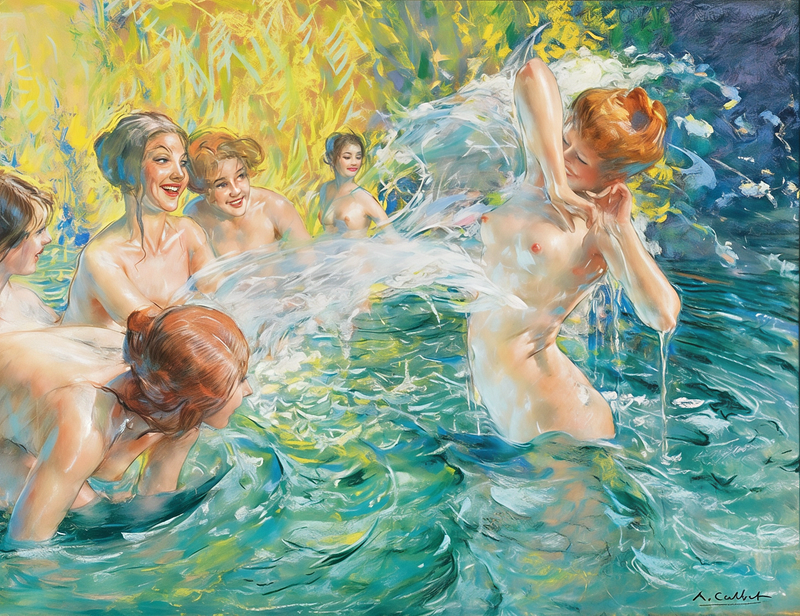
To understand the philosophical psychology of the nudist or naturist is to venture beyond the simplistic notion of mere undress and into a profound confrontation with the self, society, and the very fabric of experience. It is a lived philosophy, a psychological stance enacted not through discourse but through the vulnerable, unmediated presence of the body. At its core, it is a deliberate and sustained project of deconditioning, aiming to strip away not just fabric but the layers of social meaning, anxiety, and alienation woven into it.
The journey begins with the psychology of authenticity, a rebellion against the curated self. In a world where identity is perpetually performed through fashion, branding, and consumer choice, the act of social nudity is a radical simplification. It represents a refusal to participate in the semiotics of attire. Without the armor of clothing, one cannot signal status, profession, or tribal affiliation. This forced nakedness, both literal and metaphorical, creates a potent social equalizer, demanding interaction based on character, conversation, and sheer human presence. The psychological shift is from performing an identity to merely being one. This fosters a profound form of self-acceptance, as individuals are compelled to reconcile with their physical form in an environment where all bodies, in their infinite variety and imperfect glory, are normalized. This is not merely about body positivity, but something deeper: body neutrality, where the physical self is accepted not as an object to be judged, but as the fundamental, unremarkable vessel of consciousness.
This pursuit of authenticity is inextricably linked to a philosophical yearning for a more primordial state, echoing the sentiments of Rousseau’s "noble savage" or the Stoic ideal of living in harmony with nature. Naturism, in particular, emphasizes this harmony with the natural world. The philosophy posits that clothing is the primary symbol of humanity’s alienation from nature — an artificial barrier. To remove it is to seek reunification. This is where the phenomenology of the experience becomes critical. Practitioners speak of a qualitative difference in sensory perception: the caress of the sun and wind on the entire skin, the unencumbered feeling of movement, the direct texture of water, grass, or sand. This is a claim about the nature of consciousness itself — that social nudity facilitates a more immediate, less filtered engagement with the environment, collapsing the distance between the self and the world. It is an attempt to experience reality without the mediation of culture’s most basic artifact.
Inextricably, this personal practice becomes a social critique. The nudist colony or beach is a temporary autonomous zone, a conscious experiment in social restructuring that challenges deep-seated taboos. It demonstrates the fundamental arbitrariness of those taboos by severing the culturally enforced link between nudity and sexuality. In this carefully maintained space, the objectifying gaze that defines so much of social interaction is replaced by a normalizing one. This is a powerful subversion of the dynamic described by philosophers like Sartre and Foucault. The intent is not to shame or consume, but to accept. By creating a context where the naked body is mundane rather than transgressive, naturists perform a live act of social deconstruction, proving that meaning is not inherent but assigned.
Furthermore, this necessitates a unique ethical framework. The philosophy is not one of unbridled libertinism but of heightened responsibility and consensual community. The rules within these spaces are often stricter than in the outside world, fiercely prohibiting harassment, photography, and lewd behavior. This highlights a sophisticated ethical understanding: that the morality of an act is determined by context, intent, and consent. The vulnerability of the state demands a corresponding peak of respect, intentionality, and mutual trust. This creates a potent form of social contract, a communitarian ideal where individual freedom to be unclothed is perfectly balanced by a collective responsibility to protect the safety and dignity of others.
Ultimately, the psychological landscape of the nudist is one of paradox. It is a rebellion pursued for the sake of tranquility, a transgression against norms to achieve a state of perceived normalcy, and an embrace of profound vulnerability to discover a more resilient self. It is a holistic philosophy that uses the human body as its central metaphor and tool, arguing that to be truly comfortable in one’s own skin is the first and most radical step toward being comfortable in the world.