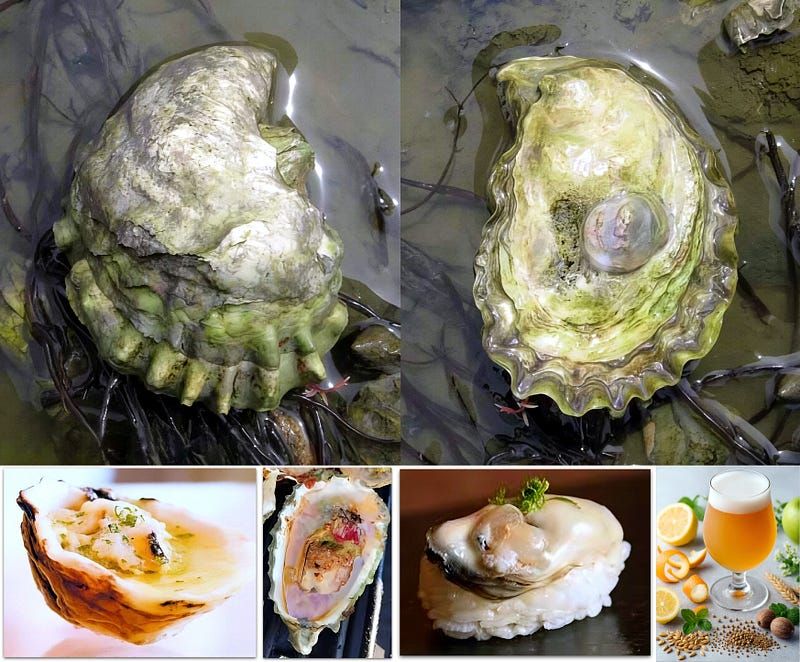
Roots of Warmth: The Endangered Elixir of Salep (Orchis mascula)
Beneath Europe’s meadows and Anatolia’s slopes grows a hidden treasure — a bulbous root that once sustained empires, soothed winter nights…
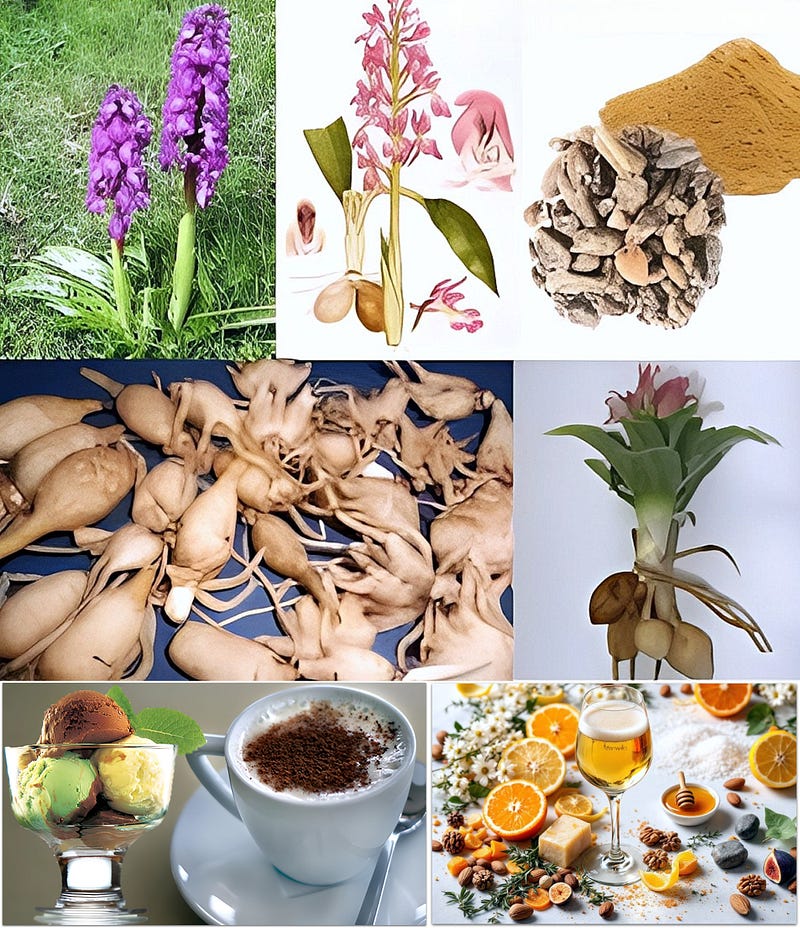
Beneath Europe’s meadows and Anatolia’s slopes grows a hidden treasure — a bulbous root that once sustained empires, soothed winter nights, and now teeters on the edge of extinction. Salep, derived from the orchid Orchis mascula, is not just a botanical curiosity; it is the molecular foundation of a drink so velvety that it shaped Ottoman hospitality and persists in whispers of the old world’s pharmacopeia. Its story is one of rarity, chemistry, and cultural endurance.
Taxonomy
Orchis mascula belongs to the family Orchidaceae, within the genus Orchis. The name originates from the Greek órkhis, meaning “testicle,” referring to the twin tubers that resemble human anatomy — a detail central to its folklore as an aphrodisiac. Common English names include early purple orchid and salep orchid. Vernacular names reflect their cultural diffusion: Sahlep in Turkish, Sahlab (سحلب) in Arabic across Syria and Lebanon, Salepi in Greek, and Kukuckblume in parts of Austria and Germany. The tubers of several related species — Orchis militaris, O. anatolica, and O. coriophora — are also collected and processed under the broad market term “salep.”
Biology
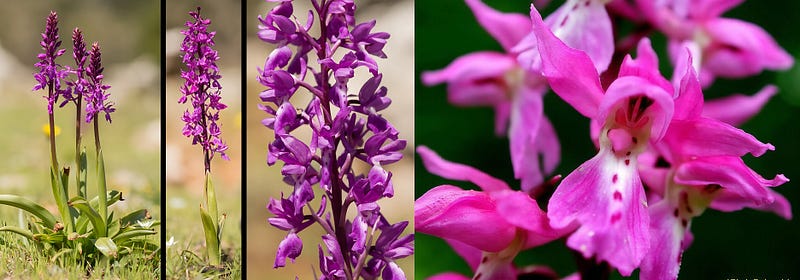
This perennial orchid grows from 20–50 cm (8–20 in) tall, emerging in early spring from paired subterranean tubers. Its flowers, ranging from pink to deep violet, carry a sweet scent and are pollinated by bees through deceptive mimicry — offering no nectar reward. After pollination, the plant invests heavily in underground tuber formation, which humans harvest for their polysaccharide-rich content, notably glucomannan. The tubers are dug up during dormancy, typically late spring to early summer, when nutrient concentration peaks. Each mature plant yields roughly 3–5 g (0.1–0.18 oz) of dried tuber — an extraordinarily low biomass output that underscores the unsustainable nature of wild harvesting.
Ecology
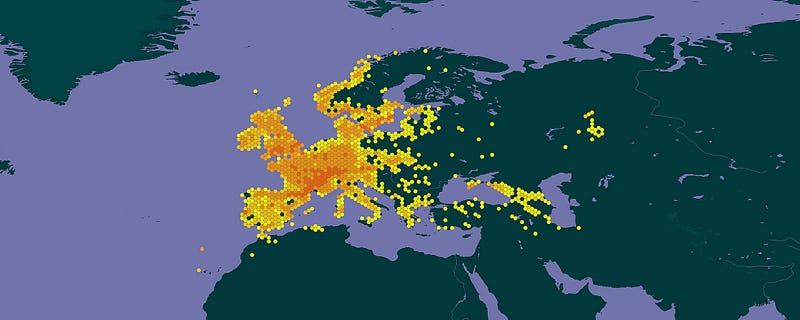
Native across Europe, the Middle East, and North Africa, Orchis mascula thrives in calcareous soils, open woodlands, and meadows up to 2,000 m (6,560 ft) elevation. It plays an important ecological role in early-season pollination cycles, supporting bee populations before other orchids bloom. However, overharvesting for salep has devastated populations, especially in Turkey and Iran. To produce just 1 kg (2.2 lb) of salep powder, between 1,000 and 4,000 individual tubers must be uprooted. This pressure, combined with habitat loss, has led to its protection under the Convention on International Trade in Endangered Species (CITES). Sustainable cultivation attempts exist, particularly in Greece and Iran, but large-scale propagation remains technically difficult due to the orchid’s reliance on mycorrhizal fungi.
Uses
The edible component is the tuber, harvested, peeled, boiled, and dried before being ground into a fine powder. The starch-like glucomannan confers a unique thickening property — superior even to cornstarch. Salep powder, when hydrated in milk and gently heated, forms a silky beverage with body and subtle sweetness. Traditional Turkish salep dondurması (stretchy ice cream) uses it for elasticity. In Iran, it appears in warm winter drinks flavored with rosewater and cinnamon. The product’s caloric value is approximately 350 kcal per 100 g (3.5 oz), primarily from complex carbohydrates, with minor protein (about 5 g per 100 g) and negligible fat.
Phytochemical analyses reveal glucomannan content between 30–50%, alongside mucilage, sugars, and traces of alkaloids. Medicinally, it was used historically to treat gastrointestinal ailments, bronchitis, and impotence. Modern studies suggest prebiotic effects and mild demulcent properties, though clinical validation is limited. Dosage forms include decoctions (1–2 g or about 0.04–0.07 oz per cup) and capsules standardized to glucomannan content. No major toxicity has been recorded, though adulteration with synthetic thickeners is common. Regulatory frameworks in the EU and Turkey restrict wild harvesting; importation requires CITES documentation.
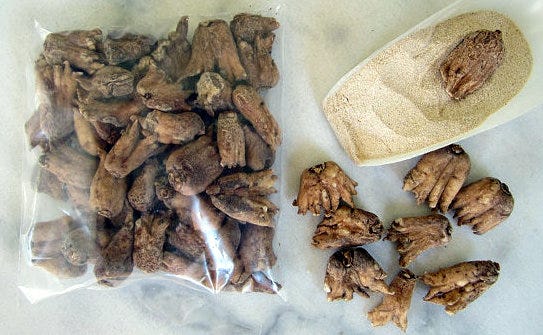
Salep’s market value ranges from $100–$250 per kg (about 2.2 lb), driven by scarcity and artisanal demand. Certified sustainable substitutes, such as konjac-derived glucomannan, now dominate commercial formulations, though purists regard them as lacking salep’s subtle floral aroma.
Culinary Aspects
The sensory experience of salep is layered. The drink delivers a custard-like viscosity with a faintly floral and nutty sweetness. Aroma descriptors include vanilla, iris root, toasted grain, and faint honey. On the palate, it offers warmth, roundness, and gentle persistence — like a liquid comfort reminiscent of winter evenings by a stove. Its mouthfeel is dense yet clean, coating the tongue without heaviness. When combined with milk, it forms a stable colloid with high flavor retention even after reheating.
Salep’s chemesthetic appeal lies in its thermal contrast — served hot (around 65°C / 149°F), it opens nasal aromatics while grounding the drinker in a tactile, almost nostalgic calm. Culinary innovations now integrate salep into puddings, custards, or ice creams, often paired with pistachio, orange blossom, or mastic gum. Its nutritional density is low, but its textural magic lies in the polysaccharide chain structure that provides superior viscosity at 0.5% concentration compared to 3% starch solutions.
Wine Pairings
Pairing salep with wine requires sensitivity to its floral warmth and creamy texture. A lightly oxidative Vin Santo from Tuscany harmonizes through its nutty and honeyed notes, creating continuity with salep’s sweet base. A Muscat of Patras from Greece accentuates the aromatic spectrum without overwhelming it. For contrast, a dry Hungarian Furmint provides minerality and acidity to balance the richness, particularly when salep is incorporated into frozen desserts. In Middle Eastern contexts, a late-harvest Lebanese Merwah, with apricot and spice notes, aligns with the traditional cinnamon garnish and evokes the regional terroir. Each pairing respects the principle of sensory complementarity — matching viscosity and aromatic complexity rather than sweetness alone.
Conclusion
Salep represents the intersection of botany, culture, and sustainability — a microcosm of human indulgence colliding with ecological constraint. Its journey from forest floor to steaming cup tells a cautionary tale: the rarer the pleasure, the greater the responsibility of preservation. Unless propagation breakthroughs succeed, salep may remain a luxury confined to memory and myth, a drink that once united cold nights and warm hands across civilizations.