The Dragon Herb: Unraveling the Secrets of Tarragon (Artemisia dracunculus)
Tarragon is the herb that quietly defines French cuisine yet holds a lineage stretching back to ancient steppes and healing traditions…
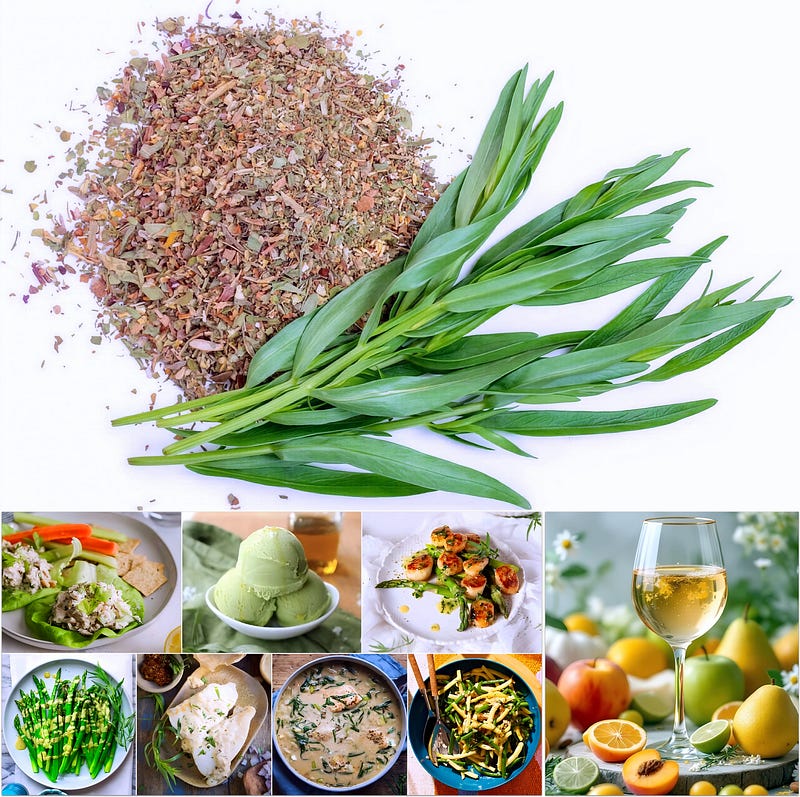
Tarragon is the herb that quietly defines French cuisine yet holds a lineage stretching back to ancient steppes and healing traditions. Known for its serpentine aroma — a coiling scent of anise and green pepper — this slender perennial bridges medicine, magic, and gastronomy. Beneath its subtle leaves lies a story of chemistry, conquest, and cultural evolution.
Taxonomy
Artemisia dracunculus belongs to the Asteraceae family, which includes sunflowers and daisies. The genus Artemisia includes over 500 species, from the absinthe-producing A. absinthium to sagebrush species that shape vast steppe ecosystems. The name dracunculus translates to “little dragon,” a nod to its serpentine roots and potent, biting flavor.
Two main subspecies exist. A. dracunculus var. sativa, known as French tarragon, is prized for its culinary use but is sterile, propagated only by root division or cuttings. A. dracunculus var. inodora (or Russian tarragon) reproduces by seed and is hardier but inferior in taste, lacking the essential estragole compound.
Common names mirror its cultural spread: “estragón” in Spanish (Spain, Mexico), “estragone” in Italian (Italy), “tarhun” in Arabic (Levant, North Africa), “тархун” (tarkhun) in Russian, “estragon” in French, and “dragoncello” in Tuscany — each evoking fire, bite, or mythical power.
Biology
Tarragon is a herbaceous perennial that reaches 60–120 cm (approximately 2–4 ft) in height. It thrives on rhizomes that spread underground, forming clonal colonies. The leaves are lanceolate, about 2–8 cm (0.8–3 in) long, narrow, and glossy green. Flowers are small, yellowish-green, and usually sterile in the French variety. The plant’s oil glands concentrate aromatic compounds such as methyl chavicol (estragole), coumarins, and flavonoids, which drive its medicinal and culinary potency.
It prefers full sun, light loam soils with a pH between 6.5 and 7.5, and moderate water stress to enhance essential oil concentration. In cold regions, its aerial parts die back in winter, regrowing in spring through robust rhizomes. Its flavor intensity peaks before flowering, when essential oil yield reaches 0.3–1.5% of dry mass.
Ecology
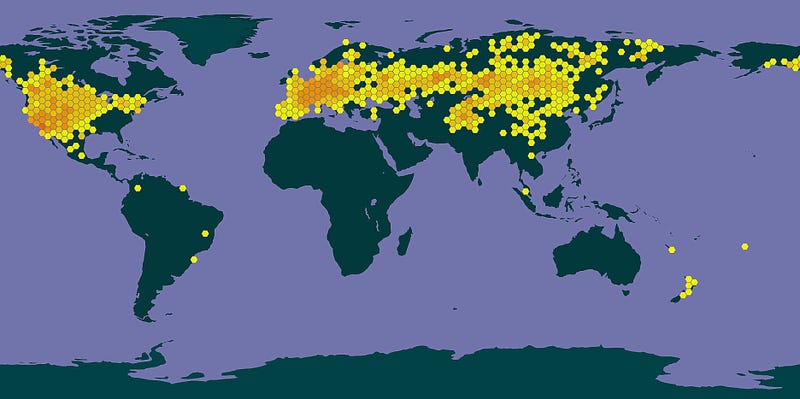
Native to the Eurasian steppes — from Siberia and Central Asia to the Mediterranean basin — tarragon has adapted to dry, well-drained soils and open habitats. It exhibits drought resistance through reduced leaf surface area and deep root systems that access subsoil moisture. It supports pollinators where fertile, though French tarragon rarely flowers.
From an ecological standpoint, Artemisia species are vital colonizers in disturbed soils, improving nitrogen cycling and deterring pests through allelopathic compounds. Tarragon’s cultivation contributes to agroecological diversity, offering a low-input perennial crop with modest carbon sequestration potential (estimated 0.5–1.2 metric tons CO₂ per hectare per year, or roughly 0.2–0.5 tons per acre per year).
Uses
Every part above the ground is valuable. Fresh leaves are the primary edible portion, used whole or chopped. Yield averages 4,000–7,000 kg per hectare (3,600–6,200 lb per acre) under ideal conditions. One hundred grams (3.5 oz) contains about 295 kcal, high due to essential oil and lipid content, along with vitamins A, C, and B6, iron, manganese, and potassium.
Tarragon contains estragole, which gives it a sweet anise-like flavor but may pose mild toxicity in high doses; safe culinary levels are well below harmful thresholds. Medicinally, tarragon has been used for digestive stimulation, menstrual regulation, and mild sedation, attributed to compounds like eugenol and coumarin. Evidence level for therapeutic efficacy remains moderate, primarily based on ethnobotanical rather than clinical sources.
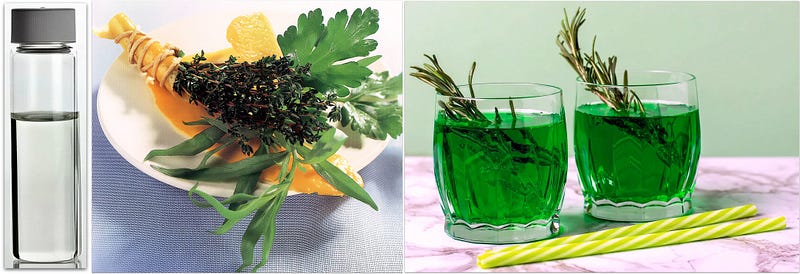
Commercially, French tarragon is used in vinegars, mustards, sauces, and liqueurs. It flavors Béarnaise sauce, fines herbes, and traditional Russian “Tarhun” soda, a neon-green carbonated drink flavored with tarragon extract. Its volatile oil is extracted through steam distillation for perfumery, flavoring, and cosmetic formulations.
In animal feed, dried tarragon offers palatability and trace mineral value, though essential oils may suppress feed intake at high concentrations. In sustainable agriculture, it functions as a companion crop repelling pests like aphids and nematodes. Its essential oil also shows promise as a natural pesticide with low non-target toxicity when diluted properly.
From a regulatory standpoint, tarragon is approved as a GRAS (Generally Recognized as Safe) substance by the U.S. FDA. Organic and sustainable certifications emphasize propagation without synthetic inputs due to the plant’s sensitivity to herbicides. France, Italy, Iran, and Turkey are leading producers. Retail prices range from USD 15–45 per kilogram ($6.80–$20.40 per lb) depending on grade and origin.
Culinary Aspects
Tarragon’s sensory profile is complex: bittersweet, herbal, and peppery with notes of anise, fennel, and green tea. Its aroma is volatile, dominated by estragole and ocimene, which degrade under prolonged heat. Fresh leaves are supple yet slightly fibrous, melting into creamy sauces or emulsions. When cooked briefly in butter or cream, its volatile oils integrate into fats, enhancing mouthfeel and balance.
The herb defines sauce Béarnaise, elevates poultry, and harmonizes with eggs, mushrooms, and white fish. In salads, it adds depth to vinaigrettes; in pickling, it infuses sharpness. Its chemesthetic quality — tingling warmth on the tongue — adds liveliness without heat. Nutritionally, tarragon’s antioxidants retain partial stability under low-heat conditions (below 85°C or 185°F), but degrade rapidly under boiling or frying.
Wine Pairings
The challenge of pairing tarragon lies in its anise character, which can clash with heavy tannins or overt oak. The ideal wines highlight freshness, minerality, and aromatic lift.
With chicken tarragon in cream sauce, try a Loire Valley Savennières (Chenin Blanc). Its acidity and quince-honey undertones counter the cream’s fat while amplifying tarragon’s herbal perfume.
For fish or shellfish with tarragon butter, a Sardinian Vermentino works best — bright citrus and saline minerality balancing the anise tone.
For tarragon-infused vegetable dishes, a northern Italian Friulano offers almond and meadow-herb nuances that mirror tarragon’s greenness.
And for adventurous pairings, a dry Furmint from Hungary’s Tokaj region brings apricot and subtle smoke that intertwine with tarragon’s licorice edge.
Conclusion
Tarragon is more than a flavor; it is an ecological and cultural traveler. From the steppes of Siberia to the kitchens of Paris, it embodies human adaptation and refinement of nature’s chemistry. In its roots lies a story of resilience; in its leaves, a volatile promise of flavor. To grow, cook, and taste tarragon is to participate in an unbroken lineage of botanical sophistication that still whispers of dragons.