The Iwatoko Catfish: Biology, Taste, and the Future of a Vulnerable Delicacy
Silurus lithophilus is a creature of paradox: a catfish that tastes clean, a predator that inhabits rocks rather than murky bottoms, a local delicacy that resists globalization.
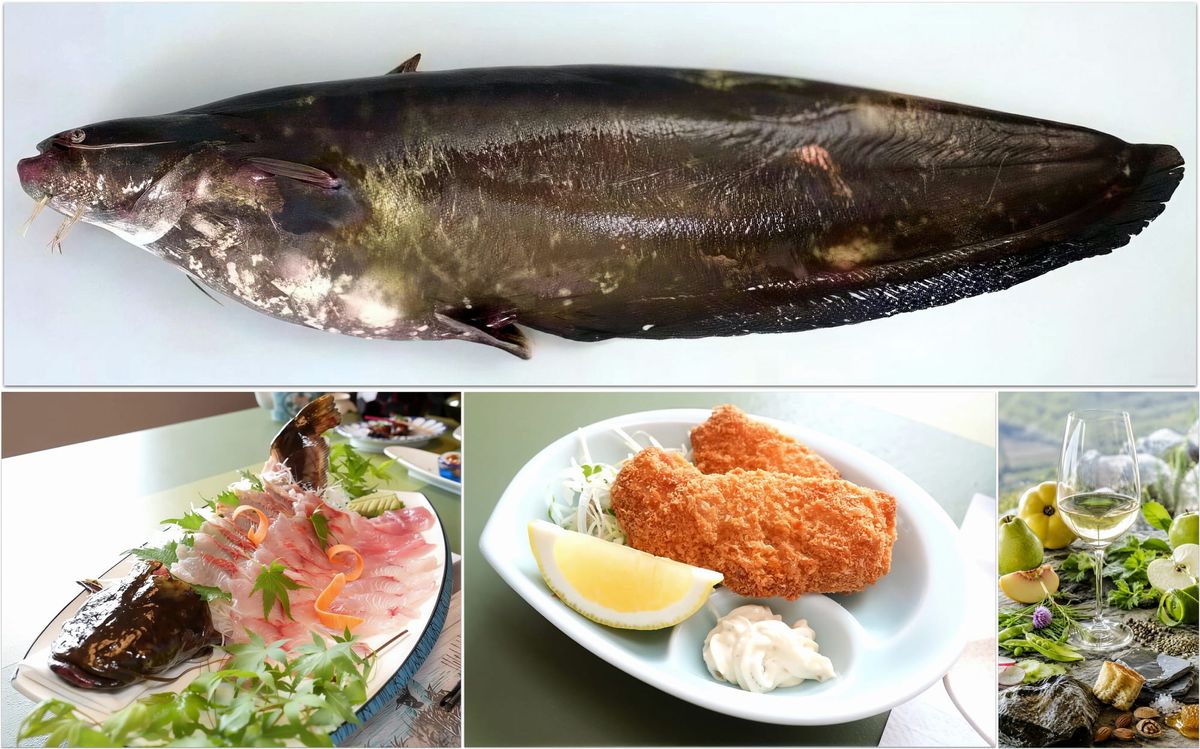
The Iwatoko catfish defies almost everything we think we know about freshwater catfish. It is not a bottom-feeding scavenger, it does not taste of mud, and it is increasingly rare to find one. Known to science as Silurus lithophilus, this fish inhabits only the rocky slopes of Japan’s Lake Biwa and its satellite waters, where it has been prized for generations as the finest-eating member of its genus. Today it sits at a precarious intersection of endemic biodiversity, regional food heritage, and conservation concern—a wild fish that commands attention in the kitchen precisely because it cannot be taken for granted.
Taxonomy and Names
Silurus lithophilus belongs to the family Siluridae, the sheatfishes, within the order Siluriformes. The genus name Silurus traces back to Greek roots meaning “catfish,” and the species was originally described as Parasilurus lithophilus by Tomoda in 1961, with its type locality near Onoé on Lake Biwa. The currently accepted scientific name places it alongside other Eurasian Silurus species, though phylogenetic analyses of the mitochondrial genome confirm it as a valid, distinct lineage most closely related to the Japanese common catfish Silurus asotus.
The English common name “rock catfish” refers directly to its habitat preference. In Japanese it is universally called Iwatoko-namazu (イワトコナマズ), sometimes shortened regionally to Iwatoko; the kanji rendering 岩床鯰 translates literally as “rock-floor catfish.” A less common vernacular name, hina-namazu (緋鯰, “crimson catfish”), appears in historical records. Among the four Silurus species recorded in Japan, S. lithophilus has the narrowest natural range, confined to Lake Biwa, the Seta River outflow, and Lake Yogo.
Biology and Adaptations
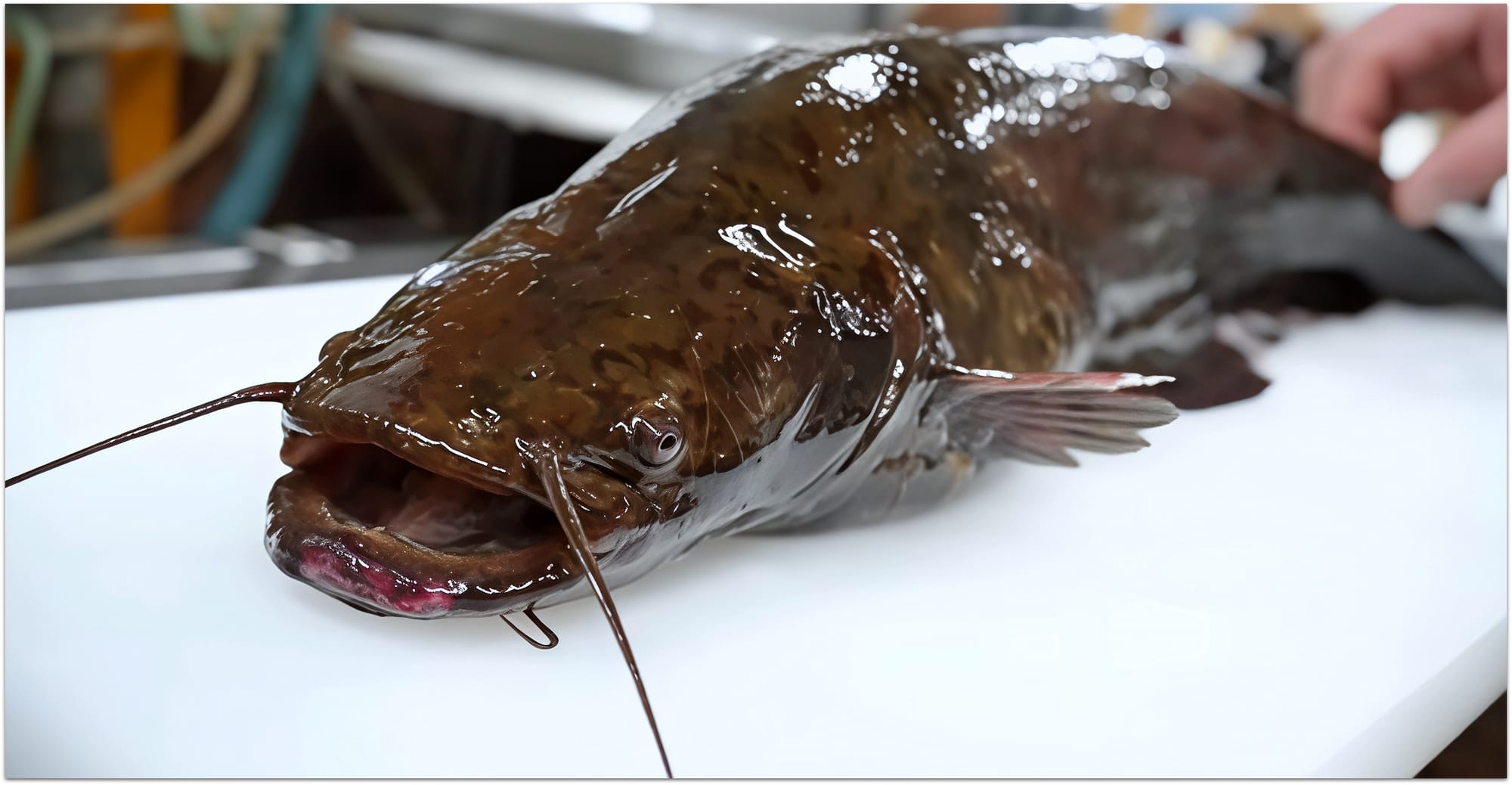
The rock catfish is a medium-sized predator, reaching a maximum recorded length of 58.0 cm (22.8 in) and a weight of approximately 1.5 kg (3.3 lb). Its body is elongate and scaleless, typically brown to olive with irregular yellowish blotches, though albino individuals appear with unusual frequency in this species. The eyes are positioned laterally and are visible even from the ventral side, and the nostrils extend into short tubular projections—adaptations consistent with a life spent navigating dimly lit rocky substrates.
Reproductive ecology has been documented across multiple field seasons along the Seta River. Spawning occurs around midnight at shallow, rocky shoal sites with water depths ranging from 5 to 70 cm (2 to 27.5 in), from early May through mid-July. The mating sequence follows a stereotyped behavioral chain: the male chases, clings to, and enfolds the female while squeezing, after which the pair performs circling movements. This pattern closely resembles that of the sympatric S. biwaensis but differs markedly from that of S. asotus, which spawns in flowing ditch water. Researchers have inferred that the rock catfish’s mating behavior likely evolved as an adaptation to lentic shoreline environments rather than lotic channels—a plausible inference consistent with its preference for lake and wide-river margins but not yet experimentally confirmed.
The complete mitochondrial genome has been sequenced at 16,524 base pairs, containing the typical vertebrate complement of 13 protein-coding genes, 22 tRNA genes, and 2 rRNA genes, with an AT content of 55.89%. Metabarcoding studies reveal that the short gene region commonly used for environmental DNA monitoring is identical between S. lithophilus and S. asotus, which complicates rapid field identification and underscores the value of whole-mitogenome reference data for conservation work.
Ecology, Range, and Sustainability
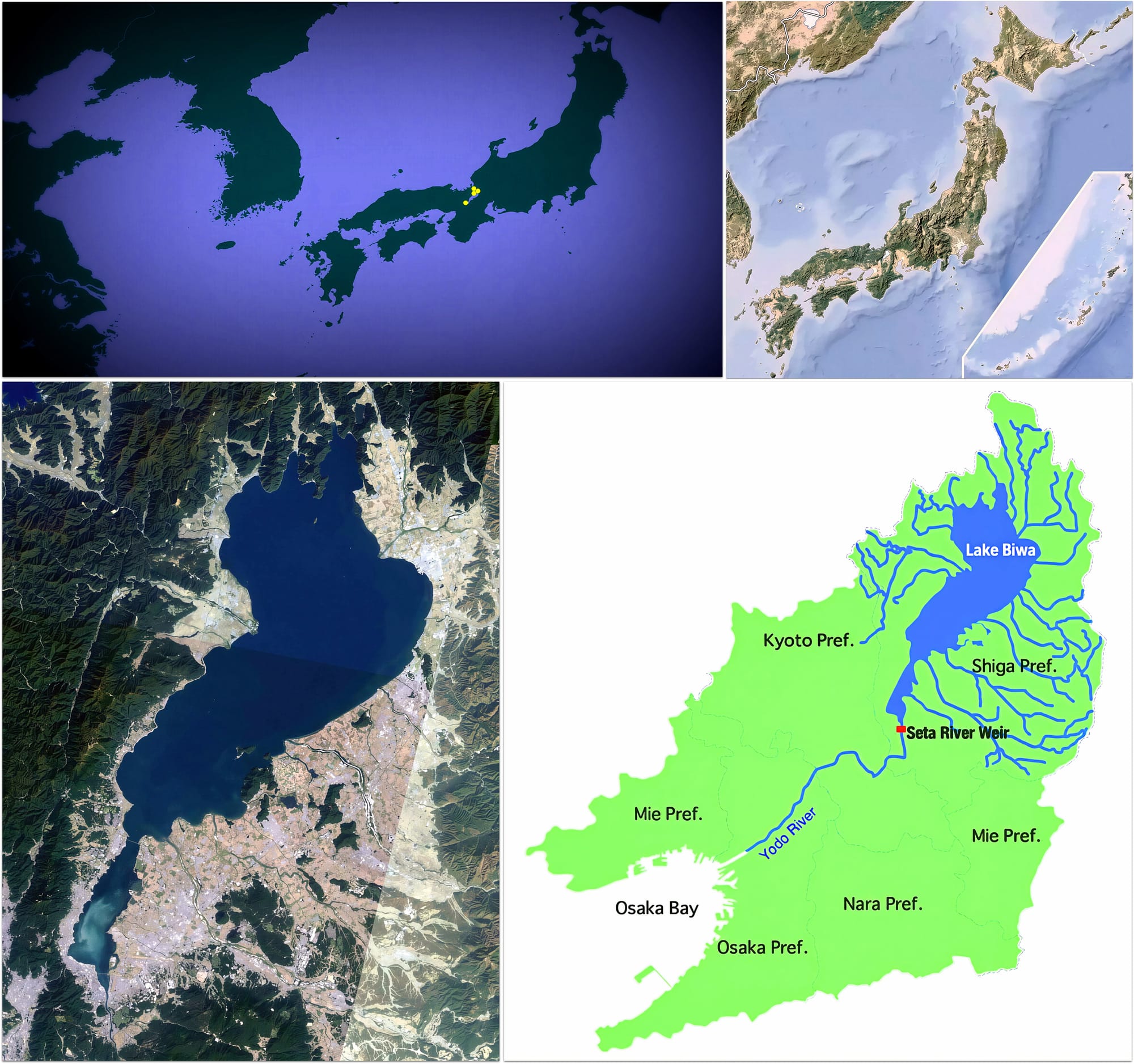
The entire global population of Silurus lithophilus is restricted to the Lake Biwa watershed in Shiga Prefecture, central Japan, with a smaller population in neighboring Lake Yogo. Within Lake Biwa—Japan’s largest lake, with a surface area of 670 square kilometers (259 square miles)—the rock catfish occupies rocky and gravel slopes at depth, a niche distinct from the shallow-water habitats of its congeners. It is demersal and temperate, feeding on small fish, crustaceans, and aquatic insects. Its ecological role as a mid-level predator in the lake’s rocky benthic zone remains incompletely characterized; environmental DNA surveys developed only recently have begun to map its distribution systematically.
Sustainability challenges are acute. The IUCN Red List assessed the species as Vulnerable in 2017 under criterion B1ab(iii,v), citing a restricted extent of occurrence and continuing decline in habitat quality and number of mature individuals. Japan’s national Red Data Book previously classified it as near-threatened, and the 2005 Red Data Book of Shiga Prefecture listed its status as “danger increasing.” The principal pressures include lakeshore development, alteration of spawning shoals, and competition or predation from invasive species such as channel catfish, which have established populations in the Biwa–Yodo river system since the early 2000s.
No industrial fishery targets S. lithophilus. Harvest is artisanal and opportunistic, using two traditional methods: set nets during the spawning-season shoreward migration and longlines when the fish are in deeper water. Volumes are minuscule, and the fish rarely appears in formal market channels; most specimens reach consumers through direct relationships between fishermen and local restaurants. For a chef or buyer outside Japan, sourcing the species legitimately is nearly impossible. The practical responsible-sourcing criterion is straightforward: any Silurus lithophilus offered for sale should be accompanied by verifiable documentation that it was caught in Lake Biwa or Lake Yogo by a licensed Shiga fisherman. In the absence of such assurance, the only ethical choice is to substitute with farmed Silurus asotus—which shares a similar fatty acid profile but is raised in controlled systems—or with other freshwater white fish that carry no conservation concern.
Culinary Profile and Kitchen Reality
Among the three Silurus species of Lake Biwa, Japanese fishermen have long considered the rock catfish the finest for the table. The larger Biwa catfish (S. biwaensis) is widely regarded as unpalatable, while the common catfish (S. asotus) can carry muddy notes depending on its habitat. S. lithophilus, by contrast, yields flesh that is pale white, firm, and notably free of the off-flavors associated with many freshwater bottom-feeders.
The edible portion is lean. Fatty acid analysis of wild specimens shows that the most abundant fatty acid is oleic acid, with measurable levels of eicosapentaenoic acid and docosahexaenoic acid—both omega-3 long-chain polyunsaturated fats—higher than those found in farmed American or Thai catfish. A 100-gram (3.5 oz) serving of comparable catfish provides roughly 105 calories, 18 grams of protein, and 2.9 grams of fat (approximately 0.1 oz), making it a lean, high-protein option. The fish accumulates lipid preferentially under the skin and in the tail section rather than in the viscera, and a striking orange fat layer visible in wild specimens is attributed to carotenoids derived from a crustacean-rich diet.
In the kitchen, the rock catfish rewards precise handling. The skin is thin and soft enough that, unlike eel, it requires no steaming before grilling. The flesh holds its shape during cooking and offers a texture described by Japanese chefs as “cori-cori”—a pleasant, slightly springy chew—with a clean sweetness that emerges even with minimal seasoning. Small pin bones remain after filleting and are typically removed with tweezers.
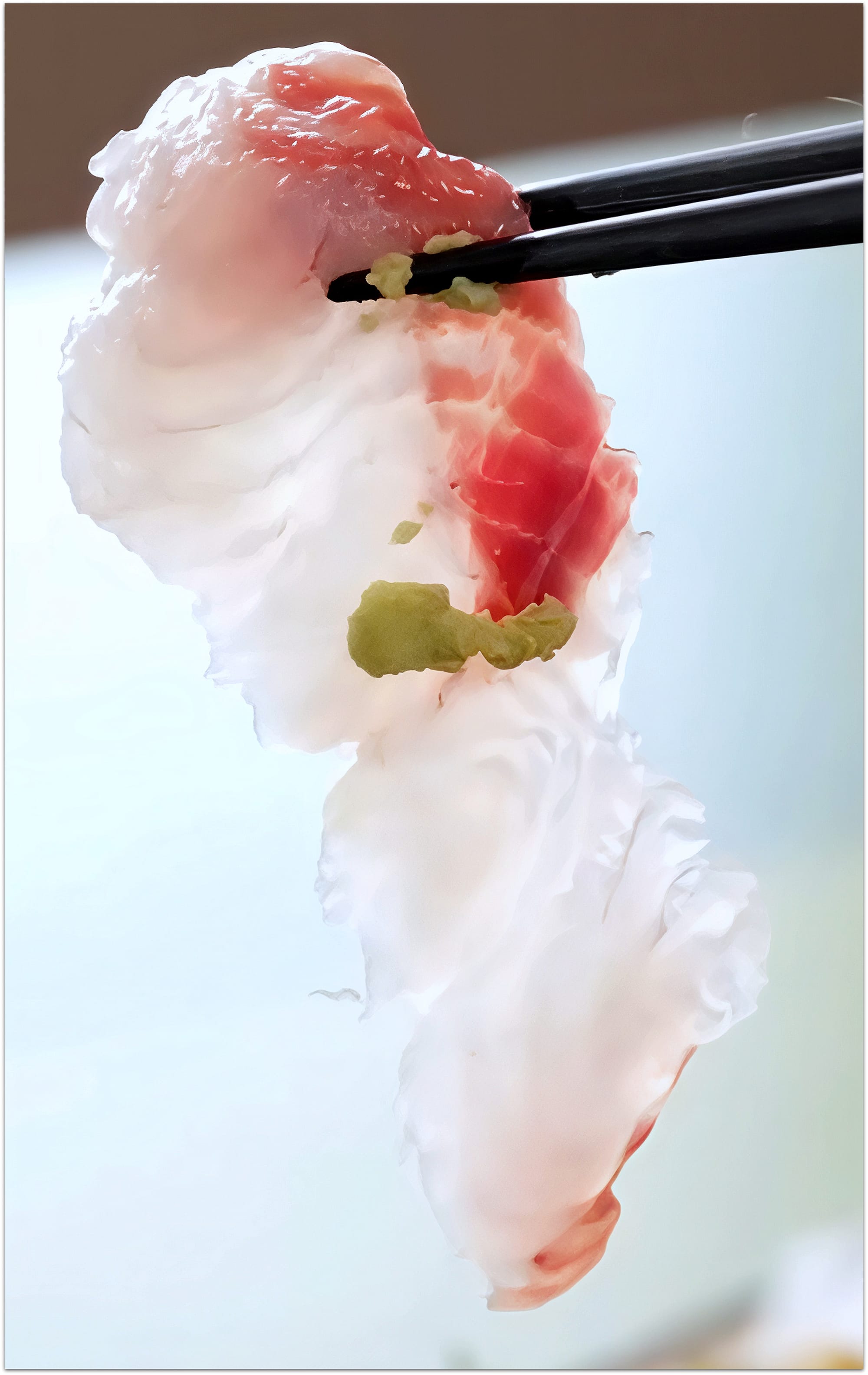
Four preparations dominate the local repertoire. Sashimi is perhaps the most revealing: sliced thin and served raw, the flesh showcases its intrinsic sweetness and firm bite, often accompanied by a citrus-based ponzu. Kabayaki, the sweet soy-and-mirin glaze technique borrowed from eel cookery, suits the fish remarkably well; the glaze caramelizes on the firm fillets without overwhelming the underlying flavor, and a dusting of sansho pepper provides a classic counterpoint. Tempura highlights the contrast between crisp batter and tender, moist interior. The traditional lakeshore hot pot known as jun-jun, in which chunks of fish are simmered with vegetables in a light broth, is considered by some local experts to be the preparation that best expresses the fish’s character—gentle, aromatic, and deeply satisfying.
Legally, S. lithophilus is not listed on CITES and there is no formal export ban, but the combination of vulnerable status and extremely limited landings means that no regulated commercial export supply chain exists. For kitchens outside Shiga, the most practical approach is to treat this fish as an experience of place—something to be eaten at its source—while using farmed Japanese catfish S. asotus for kabayaki or hot-pot adaptations abroad.
Wine Pairings
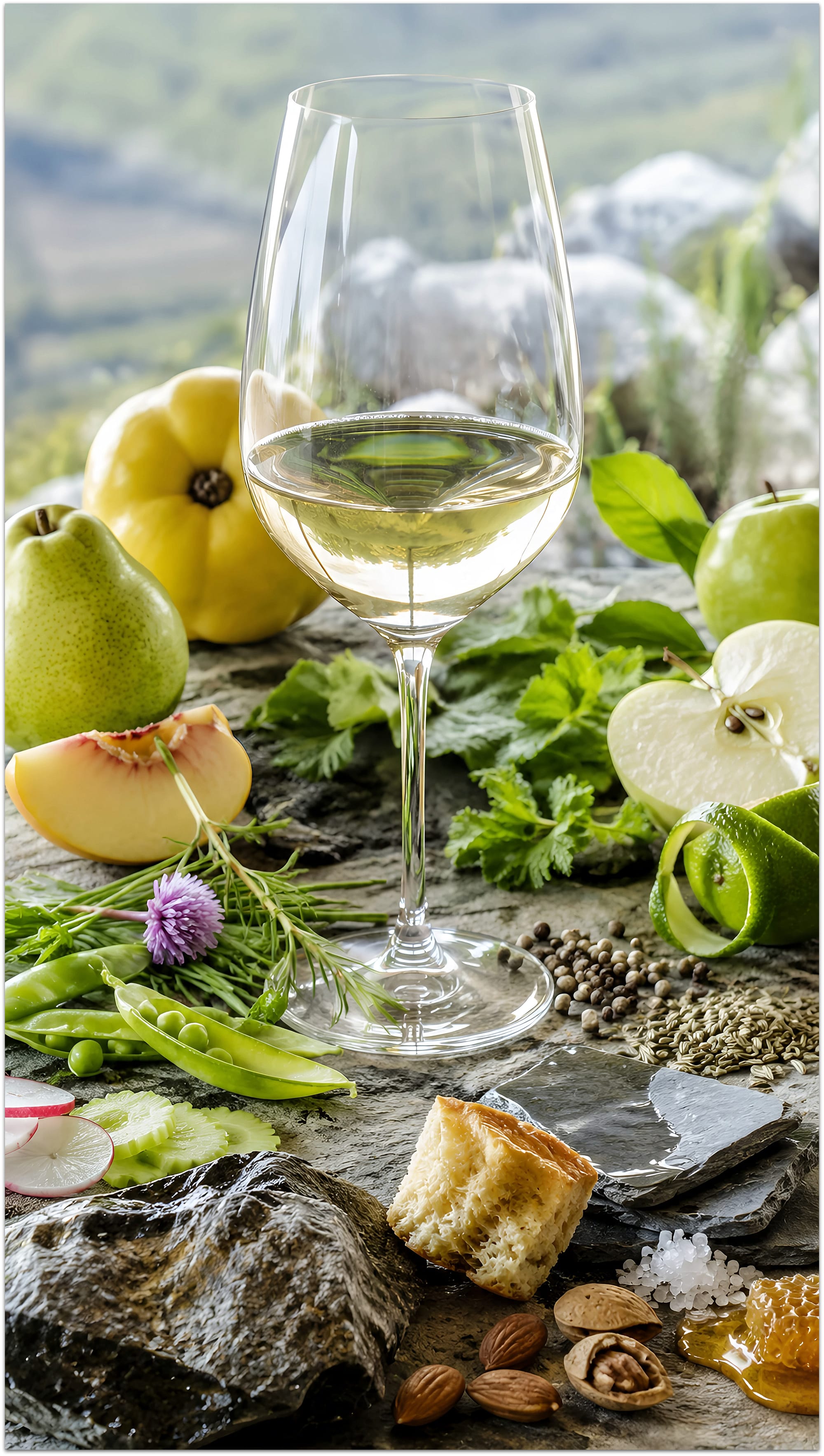
Given the fish’s lean, sweet-white character and the Japanese culinary frame in which it is typically served, pairings should lean toward whites with good acidity and moderate body, but there is room for thoughtful reds where the preparation calls for it. These four recommendations move beyond generic “white wine with fish” to address specific cooking methods.
For sashimi, a Grüner Veltliner from Austria’s Wachau region offers green apple and white pepper notes with a mineral backbone that echoes the clean, rocky terroir of the fish’s own habitat; its slight savoriness bridges the ponzu citrus without clashing.
Kabayaki, with its caramelized soy glaze, finds a surprising partner in a dry Furmint from Hungary’s Tokaj region. Furmint’s taut acidity cuts through the sweetness of the mirin, while its subtle quince and smoke notes resonate with the grilled, lacquered surface of the fillet.
Tempura calls for a sparkling wine with enough body to handle the fried batter without stripping the palate. A Crémant de Bourgogne, made from Chardonnay and Pinot Noir in Burgundy, delivers fine bubbles, stone-fruit roundness, and a cleansing finish that refreshes between bites.
For jun-jun hot pot, where the broth is light and the fish is gently poached, a Manzanilla Sherry—a dry, biologically aged wine from Spain’s Jerez region—brings a saline, almond-like complexity that enhances the subtle umami of the dish without overwhelming it. Served lightly chilled, it mirrors the clarity of the cooking liquid while adding unexpected depth.
Conclusion
Silurus lithophilus is a creature of paradox: a catfish that tastes clean, a predator that inhabits rocks rather than murky bottoms, a local delicacy that resists globalization. Its biology—from the mating choreography performed on moonlit shoals to the mitochondrial sequences that distinguish it from its congeners—speaks to millions of years of evolution in a single watershed. Its culinary appeal rests not on richness but on purity, a white-fleshed canvas that rewards simplicity. Yet all of this depends on a lake ecosystem under growing pressure. Every sourcing decision made by a chef, a distributor, or a curious traveler either adds to that pressure or helps relieve it. The future of the Iwatoko catfish in global cuisine will not be written by volume—it will be written by care.