Shadows of the Sea: The Imposter Trevally’s Hidden Story
Among the dazzling array of tropical reef fish, the imposter trevally (Carangoides talamparoides) carries a name that speaks to mystery. It is a species often overlooked, mistaken for other trevallies, yet it plays a distinctive role in marine ecosystems and regional cuisines.
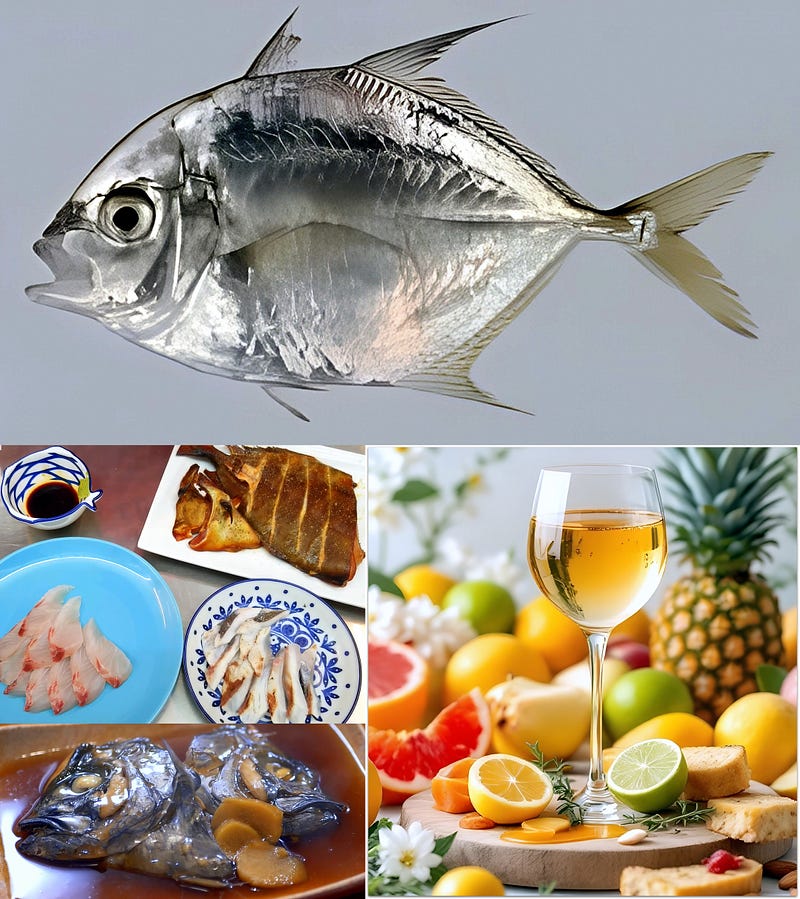
Among the dazzling array of tropical reef fish, the imposter trevally (Carangoides talamparoides) carries a name that speaks to mystery. It is a species often overlooked, mistaken for other trevallies, yet it plays a distinctive role in marine ecosystems and regional cuisines. Understanding this fish means appreciating the subtle interplay between biology, ecology, and gastronomy while recognizing the pressures of global fisheries and sustainability challenges.
Taxonomy
The imposter trevally belongs to the family Carangidae, a diverse group of trevallies, jacks, and pompanos that dominate tropical and subtropical seas with their speed and predatory behavior. Its full scientific designation is Carangoides talamparoides, within the kingdom Animalia, phylum Chordata, class Actinopterygii, and order Carangiformes. There are no officially recognized subspecies or varieties, though its variable coloration across different habitats often leads to misidentification with close relatives such as Carangoides talampar and Carangoides ferdau, which sometimes appear alongside it in regional fish markets.
Common names vary widely across the Indo-Pacific and reflect both cultural and culinary familiarity. In English it is known as imposter trevally or false talampar. In Indonesia, fishers refer to it in Bahasa as ikan kuwe palsu, literally “false trevally.” In the Philippines, Tagalog speakers call it talakitok huwad, or “false jack.” In Sri Lanka it is known in Sinhala as parawal boru, meaning “deceptive jack.” In Malaysia, Malay speakers use gerepoh tipu, “trick trevally,” while in Tamil Nadu, India, it is referred to in Tamil as poy parai, aligning it with the broader parai category of coastal food fish.
Though the species does not have distinct edible varieties, it occupies the same culinary space as other trevallies, often traded interchangeably in local markets. Its clean, mild flesh makes it especially valued in coastal cuisines, even if it does not share the same commercial recognition as its larger and more famous relatives.
Biology
This fish grows to about 60 cm (23.6 in) in length, though more commonly seen at 35–40 cm (13.7–15.7 in). It features a streamlined, silver-gray body with faint golden hues along the flanks and a forked tail built for bursts of speed. Juveniles often display subtle vertical barring that fades with maturity. Like other carangids, it is a fast swimmer and a voracious predator, feeding on small fish, squid, and crustaceans. Spawning usually occurs seasonally in warm tropical waters, with external fertilization and larvae drifting with currents until they settle into reef environments.
Ecology
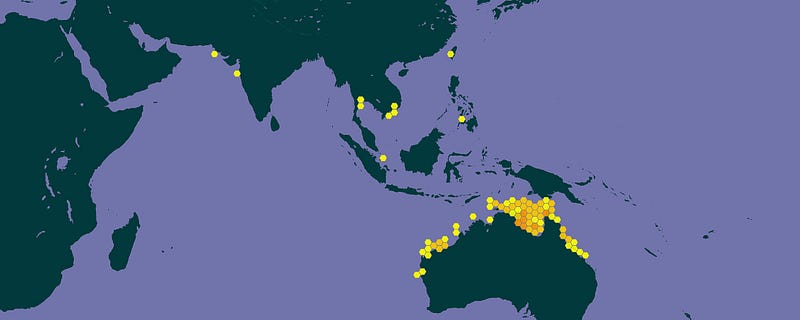
Carangoides talamparoides is distributed across the Indo-Pacific, particularly along coral reefs, sandy bottoms, and lagoons at depths of 20–70 m (65–230 ft). Its ecological role is that of a mid-level predator, helping balance populations of smaller fish and invertebrates. Overfishing and reef degradation pose threats, though this species is less heavily targeted than more famous trevallies. Sustainability hinges on monitoring catch levels and protecting reef habitats.
Uses
While not commanding the global fame of yellowtail or giant trevally, the imposter trevally has regional market importance. It is sold fresh, dried, or salted in coastal Asia and Oceania. Its meat is firm and versatile, lending itself to grilling, frying, or raw preparations like ceviche. Economically, it supports small-scale fisheries rather than large industrial markets. As global demand for white-fleshed fish grows, maintaining sustainable harvest practices will be key to avoiding exploitation.
Culinary Aspects
The flesh of imposter trevally is lean and off-white with a mild flavor that bridges the gap between snapper and mackerel. Its taste profile is delicate yet slightly briny, with an aroma of clean seawater. The mouthfeel is firm and meaty when grilled but silky when served raw. Texture is dense, making it suitable for sashimi or poke. Balance leans toward subtlety, so it pairs well with bright citrus or herbal accents. Aftertaste is clean, with no lingering oiliness. Appearance on the plate is elegant, with translucent white flesh accented by light marbling. Nutritionally, a 100 g (3.5 oz) portion provides about 20 g of protein, less than 2 g of fat, and is rich in selenium and omega-3 fatty acids.
Culturally, in parts of Southeast Asia, trevallies, including this species, are celebrated in street markets where they are grilled whole over charcoal, often brushed with soy, lime, and chili. In Polynesia, they are occasionally cured with salt and citrus in traditional fish salads.
Wine Pairings
The imposter trevally’s mild yet structured profile demands wines that enhance without overwhelming. A Sicilian Grillo offers bright citrus and saline notes that mirror the oceanic character of grilled preparations. For raw sashimi-style servings, an Austrian Grüner Veltliner aligns with the fish’s subtle texture, bringing peppery lift and clean minerality. In spiced Southeast Asian dishes with chili and lime, an off-dry Mosel Riesling provides balance through acidity and a touch of sweetness, cooling heat while elevating aromatics. For charcoal-roasted whole fish brushed with soy, a Greek Assyrtiko delivers volcanic minerality and savory grip that complements umami depth. These pairings highlight regional specificity and amplify sensory harmony.
Conclusion
The imposter trevally reminds us that even the seemingly ordinary fish have extraordinary stories. Its ecological balance, market presence, and culinary versatility reveal the interconnectedness of reefs, kitchens, and consumers worldwide. As coastal communities adapt to global pressures, sustainable stewardship of species like Carangoides talamparoides will determine whether future generations can still taste the subtle richness of this underappreciated reef predator. To eat it thoughtfully is to recognize both its hidden role in marine ecosystems and its rightful place on the plate.