
Silver Scales and Golden Streams: The Story of Waandersii’s Hard-lipped Barb
Introduction In the clear, sunlit rivers of Southeast Asia, where water tumbles over stones and glides through lush forests, lives a fish…
Introduction
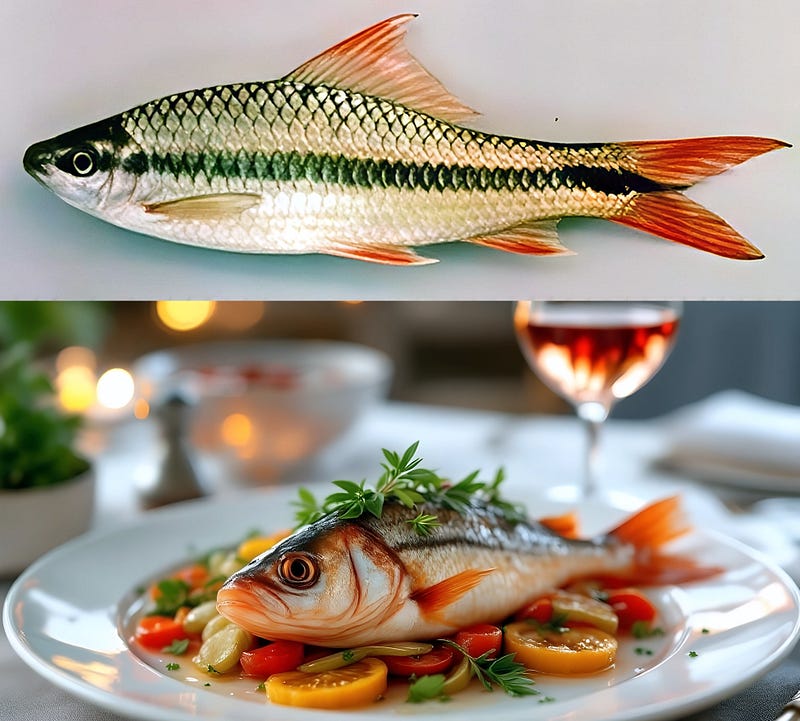
In the clear, sunlit rivers of Southeast Asia, where water tumbles over stones and glides through lush forests, lives a fish of quiet elegance and enduring importance — the Waandersii’s Hard-lipped Barb (Osteochilus waandersii). Known for its shimmering silver body, distinctive black markings, and remarkable adaptability, this species has been part of the human table and imagination for centuries. Beyond its beauty, it embodies a harmony between wild waters and traditional livelihoods, offering lessons in sustainable fishing and culinary heritage that deserve global attention.
Taxonomy
Waandersii’s Hard-lipped Barb belongs to the family Cyprinidae, one of the most diverse freshwater fish families worldwide. Its scientific name, Osteochilus waandersii, pays homage to nineteenth-century ichthyology, with “Osteochilus” referring to its bony lips — an adaptation that has become both its namesake and its signature trait. Commonly referred to simply as “hard-lipped barb,” it is known in local dialects from Thailand to Cambodia by names that often describe its color or habitat. While there are no officially recognized subspecies, populations exhibit slight morphological variations, depending on the river system, which hints at a subtle tapestry of local adaptation.
Biology
This barb is a medium-sized freshwater fish, reaching lengths of about 25 cm, or 9.8 inches, with robust, laterally compressed bodies that shimmer silver with olive or golden undertones. A distinct black blotch adorns the base of its tail, and its eponymous firm lips are adapted for scraping algae from submerged rocks. The life cycle begins with spawning at the onset of the rainy season, when swollen rivers carry eggs and fry downstream. Hardy and adaptable, O. waandersii thrives in both fast-flowing mountain streams and slower lowland rivers, using its muscular body and specialized mouthparts to feed efficiently in variable currents.
Ecology
The species is distributed across much of Southeast Asia, including Thailand, Laos, Cambodia, Vietnam, and parts of Indonesia. It inhabits rivers, floodplains, and reservoirs, playing an important ecological role as a grazer of periphyton and algae, helping maintain the balance of aquatic ecosystems. Seasonal migrations ensure that they contribute to nutrient cycling across habitats. While not currently considered endangered, localized pressures from overfishing, dam construction, and sedimentation threaten some populations. In places where traditional fishing practices persist — such as the selective use of bamboo traps or hand nets — its harvest remains sustainable, but modern, unsustainable gear risks disrupting this equilibrium.

Uses
Economically, Waandersii’s Hard-lipped Barb is valued both as a food fish and a modest player in the ornamental fish trade, thanks to its attractive coloration. In rural communities, it is a staple protein, often sold fresh in wet markets or preserved through drying and salting. Unlike high-intensity aquaculture species, it is usually caught wild, meaning its economic model depends heavily on the health of river ecosystems. As regional interest in eco-tourism grows, promoting responsible fishing of this species could offer both cultural and environmental benefits.
Culinary Aspects
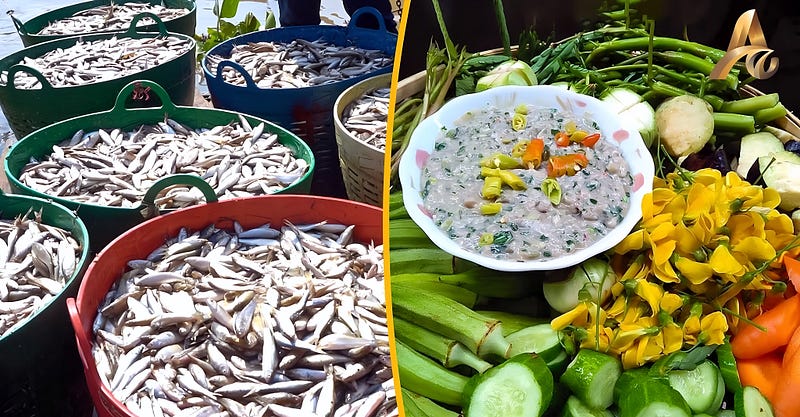
In the kitchen, O. waandersii offers a delicate, slightly sweet flavor with firm, white flesh that holds its shape well during cooking. Its flavor intensifies when grilled over charcoal, wrapped in banana leaves with herbs and chili, or simmered in a coconut milk curry. In Laos and Cambodia, it may be fermented into prahok, lending its richness to pungent, savory pastes. A fish weighing around 0.9 kg, or 2 lbs, can feed a family meal when served alongside rice, fresh vegetables, and dipping sauces. Nutritionally, it provides lean protein, omega-3 fatty acids, and essential minerals — qualities that make it both a practical and wholesome choice in riverine diets.
Wine Pairings
For wine lovers, pairing this freshwater fish is a journey in subtlety. A crisp Sauvignon Blanc from Marlborough offers bright acidity to cut through the richness of grilled preparations, while a chilled Chenin Blanc from the Loire complements coconut-based curries with its gentle fruit and minerality. For those who prefer a red, a light-bodied Pinot Noir with soft tannins can pair well, especially when the fish is accompanied by earthy vegetables and herbs. The aim is to echo the fish’s clean, freshwater flavors without overwhelming its delicate flesh.
Conclusion
Waandersii’s Hard-lipped Barb is more than just a fish in a river — it is a living link between ecosystems, traditions, and sustainable food practices. Its resilience reflects the health of the waterways it inhabits, and its taste carries the imprint of forests, rain, and time-honored recipes. In an era when freshwater biodiversity faces unprecedented challenges, preserving this species and the cultural heritage surrounding it is not only an act of conservation but an affirmation of our shared culinary and ecological future.