Slender Mysteries of the River: The Eel Loach’s Hidden World
Introduction
Introduction
In the winding backwaters of Southeast Asia, where silt drifts like smoke and reeds whisper in the current, lives a creature often overlooked but deeply fascinating — the eel loach (Pangio anguillaris). Slender as a ribbon, elusive as a shadow, this fish bridges the line between the ornamental and the edible, the ecological and the cultural. It is a species that reveals much about the health of freshwater ecosystems, the traditions of riverside communities, and the global appetite for unique aquatic life.
Taxonomy
The eel loach belongs to the family Cobitidae, a group of small bottom-dwelling fishes commonly known as loaches. Its scientific classification is as follows:
- Kingdom: Animalia
- Phylum: Chordata
- Class: Actinopterygii
- Order: Cypriniformes
- Family: Cobitidae
- Genus: Pangio
- Species: Pangio anguillaris
The genus Pangio is sometimes called the “Kuhli loaches,” a reference familiar to aquarium enthusiasts. The eel loach itself is known by names such as the slender eel loach or Asian eel loach. Unlike its more colorful cousins, it is characterized by a uniform, earth-toned body, perfectly adapted for a life of concealment.
Biology
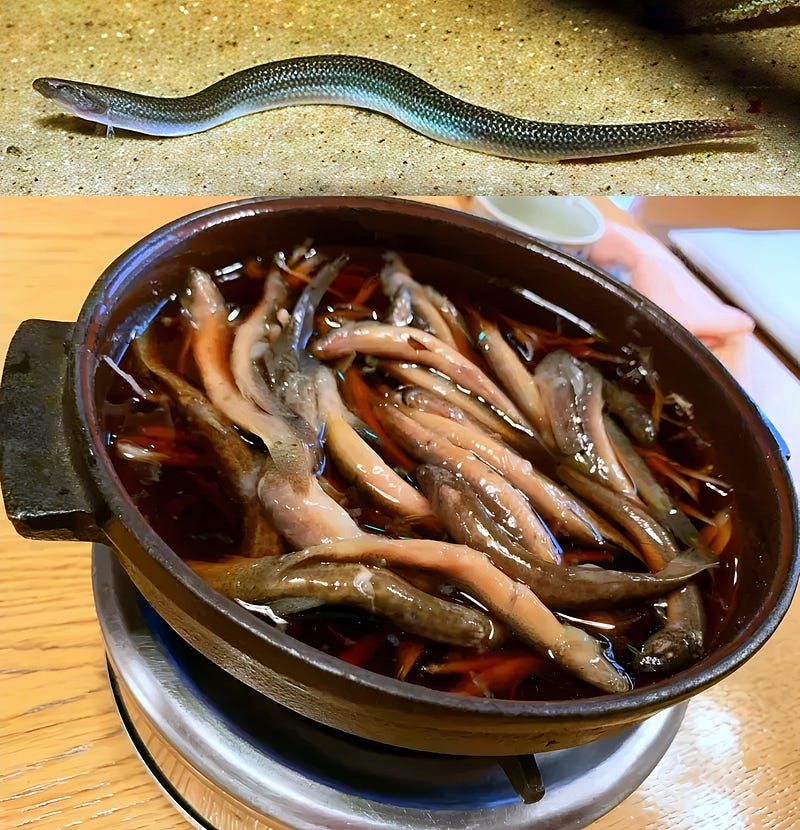
At first glance, Pangio anguillaris appears almost serpentine, with a body length that may stretch to 8 cm (3.1 in). Its body is elongated, lacking the flashy banding seen in other Pangio species, and this simplicity aids its camouflage in muddy riverbeds. The loach breathes not only through gills but also through the skin of its intestine, an adaptation that allows it to thrive in low-oxygen waters.
The eel loach is nocturnal, foraging in dim light for insect larvae, micro-crustaceans, and detritus. Its life cycle is relatively fast, with spawning triggered by seasonal monsoon flooding. Eggs are scattered in shallow waters, where survival depends on concealment from larger predators. This reproductive strategy ties the species’ fate directly to the rhythms of Southeast Asian river systems.
Ecology
The eel loach thrives in slow-moving streams, rice paddies, and floodplains, particularly in countries such as Thailand, Cambodia, and Vietnam. Its ecological role is twofold: it acts as a natural cleaner of benthic zones, consuming organic matter, and it provides prey for larger freshwater predators.

Habitat loss, pollution, and dam construction pose risks. In rice paddy ecosystems, however, the species has adapted well, coexisting with agriculture and becoming part of the human-managed aquatic landscape. Sustainable water management is critical for its continued survival.
Uses
The eel loach is valued in two distinct markets. In the aquarium trade, its peaceful nature and unusual form make it a popular species for hobbyists worldwide. In local food cultures, it is harvested in small quantities as a seasonal delicacy. Unlike larger fish, it is not a staple protein but rather a niche catch, often eaten fresh after monsoon harvests.
Economic relevance lies less in large-scale fishing and more in the species’ contribution to local food systems and the international pet trade. Responsible sourcing, including captive breeding for aquariums, is key to preventing wild population decline.
Culinary Aspects
In certain rural communities, eel loaches are cooked much like small eels or minnows. They may be lightly fried until crisp, added to broths, or preserved in fermented fish sauces. Their flesh is tender and mild, absorbing the flavors of accompanying spices. When fried, they develop a crunchy texture that pairs well with rice and chili pastes.
From a nutritional perspective, they provide protein with low fat content, similar to other small freshwater fish. Traditional preparations often emphasize balance — pairing loach dishes with herbs such as lemongrass and galangal for digestive harmony.
Wine Pairings
In Southeast Asia, notably Thailand, Malaysia, and Indonesia, eel loach is often paired with various alcoholic beverages. Popular choices include light lagers like Thailand’s Singha and Chang, or Malaysia’s Tiger and Carlsberg, which enhance the fish’s richness and balance spice. In Malaysian Borneo, Tuak, a local fermented rice wine, is common, while Laos offers Mekong River Eel Wine, made from rice, river eels, and ginseng. Thai whiskey Sang Som and distilled rice spirit Langkau are favored spirits, while Mekhong, a molasses and rice blend, suits cocktails or on-the-rocks consumption.

Though not part of traditional pairings in Southeast Asia, the subtle flavors of eel loach lend themselves well to thoughtful wine matches. A crisp Sauvignon Blanc with bright acidity enhances fried or grilled preparations, cutting through oil and highlighting herbal notes. For loach stews or broths, a dry Riesling complements the delicate flesh without overpowering it. Those who enjoy red wine may find that a light-bodied Pinot Noir harmonizes with spiced loach dishes, especially when prepared with garlic or fermented pastes.
Conclusion
The eel loach embodies the quiet resilience of freshwater species, thriving in environments both natural and human-made. Its role in ecosystems, kitchens, and aquariums reflects the interconnectedness of culture and biology. To safeguard it, we must look to sustainable practices in both agriculture and trade. Like the rivers it calls home, Pangio anguillaris flows through multiple worlds — scientific, culinary, and cultural — reminding us that even the smallest fish can tell a story worth hearing.