The Criminal Profile and Crimes of Dennis Lynn Rader: The BTK Killer
Introduction
Introduction
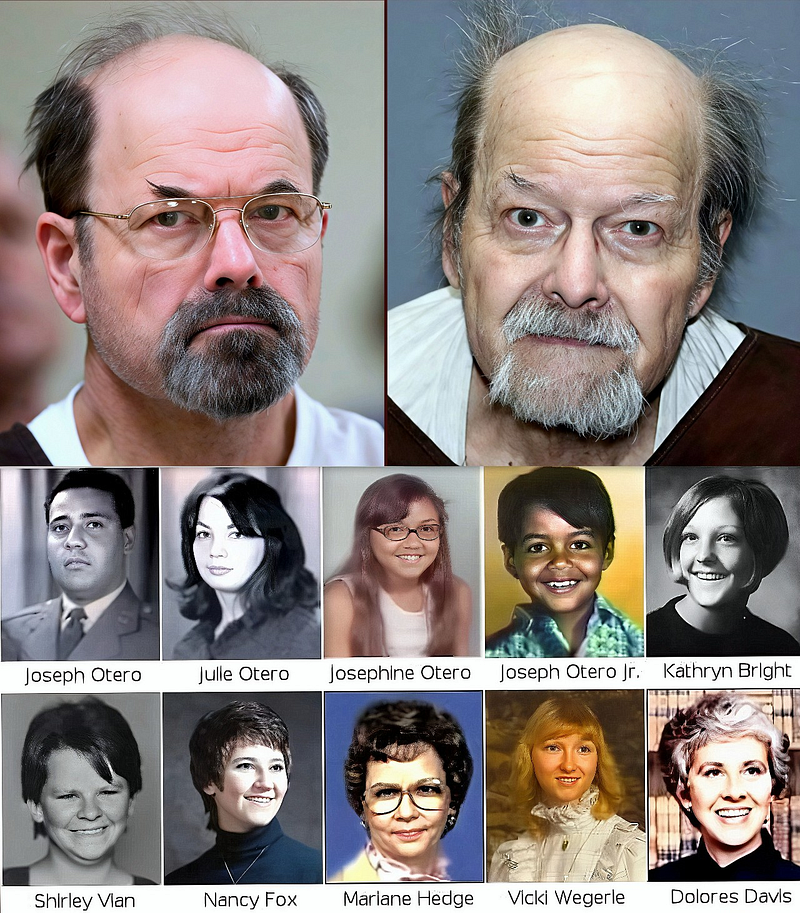
Dennis Lynn Rader, infamously known as the BTK (Bind, Torture, Kill) Strangler, stands as one of America’s most methodical and psychologically complex serial killers. Operating primarily in Wichita, Kansas, between 1974 and 1991, Rader murdered ten confirmed victims while maintaining a façade of normalcy as a family man, church leader, and municipal employee.¹ His case represents a paradigm of sexual sadism, criminal organization, and the dual identity phenomenon in criminal psychology. This report provides a comprehensive analysis of Rader’s criminal profile, modus operandi, psychological motivations, and investigative significance.
Early Life and Development of Criminal Predispositions
Born March 9, 1945, in Pittsburg, Kansas, Rader experienced a superficially normal childhood as the eldest of four sons in a working-class Lutheran family.² Despite this ordinary exterior, Rader later confessed to developing violent paraphilias during adolescence, including:
- Animal torture: Regularly hanging cats and stray animals³
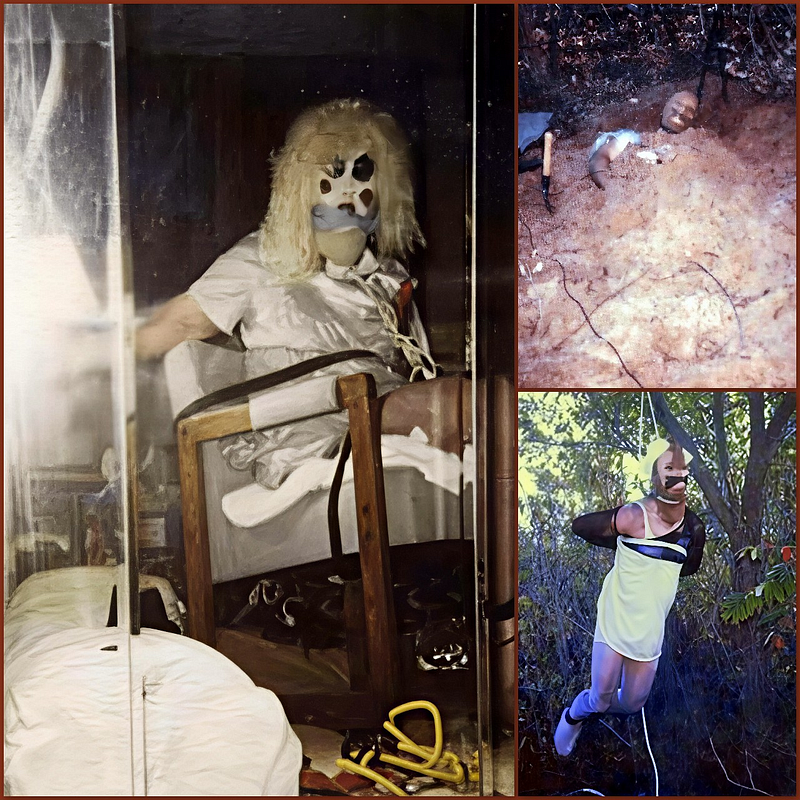
- Voyeurism and fetishism: Spying on female neighbors while cross-dressing in stolen women’s underwear⁴
- Autoerotic asphyxiation: Masturbating with ropes around his neck and arms⁵
Rader’s military service (U.S. Air Force, 1966–1970)⁶ provided no corrective influence. After marrying Paula Dietz in 1971 and fathering two children,⁷ he earned an Associate Degree in Electronics (1973) and a Bachelor of Science in Administration of Justice (1979).⁸ His employment at ADT Security Services (1974–1988)⁹ ironically positioned him to install security systems for residents frightened by his crimes, while his subsequent role as a Park City compliance officer (1991–2005)¹⁰ allowed him to exert authoritarian control over community members.
Criminal Chronology and Modus Operandi
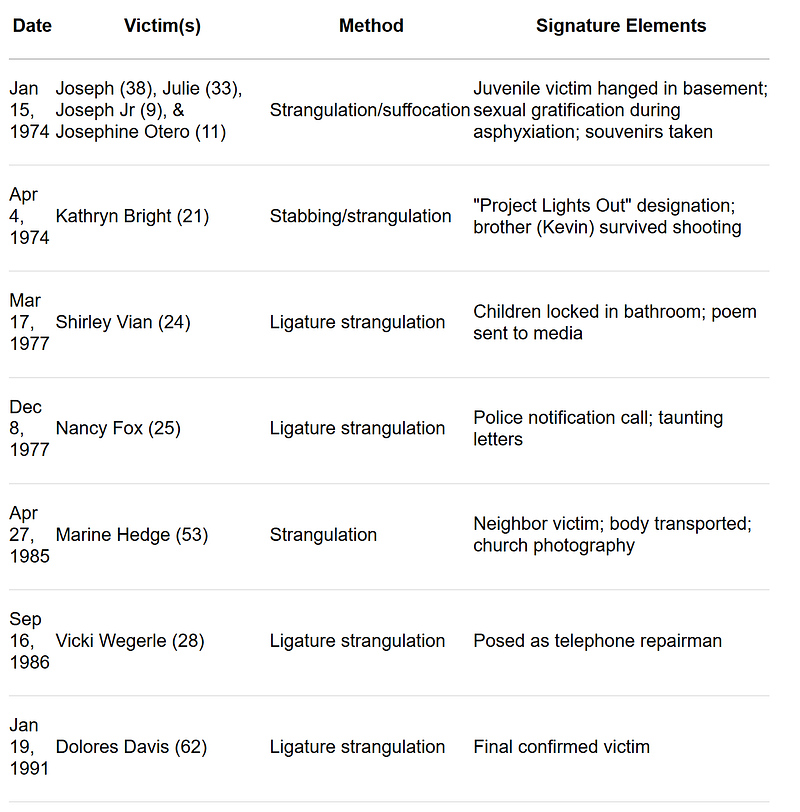
Rader’s murders followed a highly organized, ritualistic pattern reflecting his BTK moniker:
Table: BTK Victimology (1974–1991)¹¹
Rader’s preparatory rituals included extensive victim surveillance (“projects”),¹² cutting phone lines, and using materials from victims’ homes for restraints.¹³ His post-mortem behavior featured:
- Souvenir collection: Victim underwear, driver’s licenses, and jewelry¹⁴
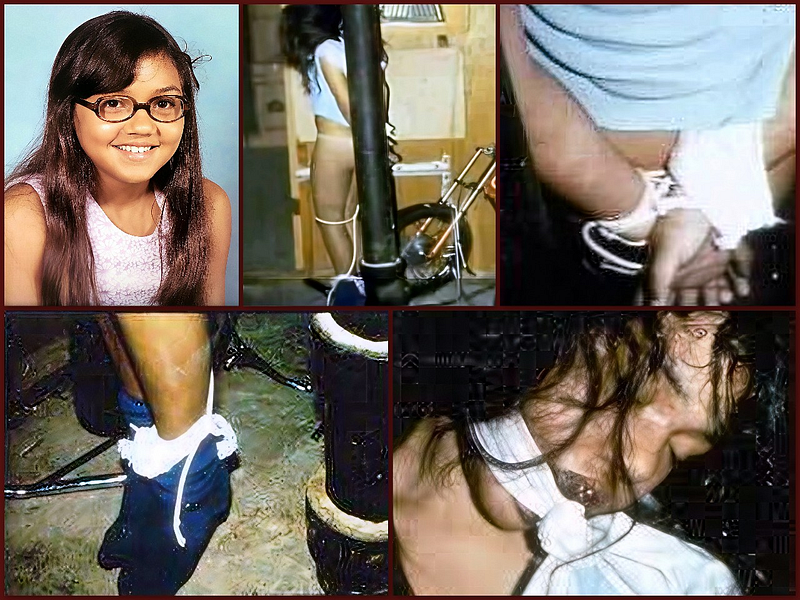
- Body staging and photography: Positioning victims in sexualized bondage poses¹⁵
- Communicative compulsion: Detailed letters to media and police describing crimes¹⁶
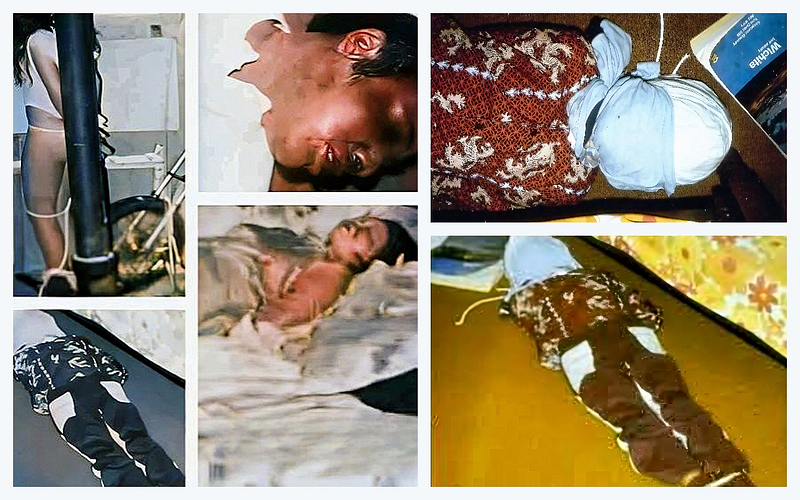
The Otero family annihilation (1974) established Rader’s core methodology: he forced entry, bound the family, suffocated Joseph Sr., strangled Julie, suffocated Joey, and hanged 11-year-old Josephine in the basement where he masturbated during her death throes.¹⁷ Sexual gratification derived from the killing process itself rather than penetration, with Rader admitting: “The sexual fantasy is the driving force… The killing is the climax.”¹⁸
Forensic and Psychological Analysis
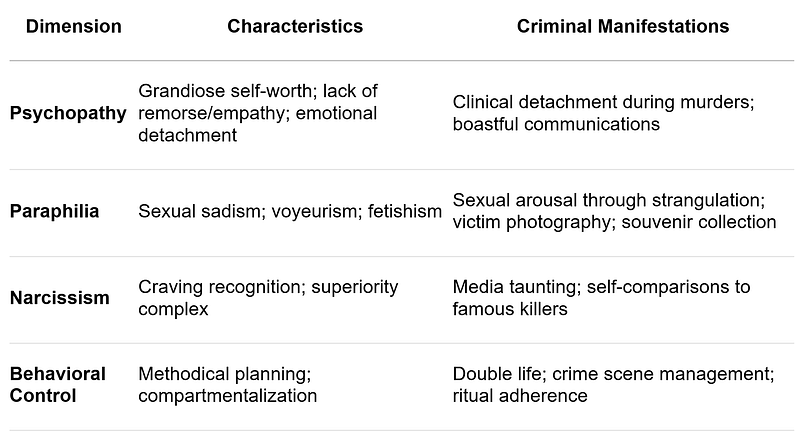
Rader exemplifies the organized lust murderer with psychopathic and narcissistic personality disorders. Psychological assessment reveals:
Table: Psychological Profile Elements¹⁹
Rader’s correspondence strategy revealed pathological narcissism. After his 1974 letters, he entered a communicative hiatus until 1978, when — frustrated by diminished media attention — he wrote: “How many people do I have to kill before I get a name in the paper?”²⁰ His 2004 re-emergence, motivated by Robert Beattie’s book Nightmare in Wichita,²¹ demonstrated his insatiable appetite for notoriety.
Investigation, Capture, and Legal Proceedings
The BTK investigation remained dormant until Rader resumed communications in 2004. Critical forensic breakthroughs included:
- Digital forensics: Metadata from a floppy disk traced to “Dennis” at Christ Lutheran Church²²
- Surveillance footage: Black Jeep Cherokee documented at package drop site²³
- Familial DNA: Pap smear sample from Rader’s daughter matched semen from the 1974 crime scene²⁴
Rader’s arrest on February 25, 2005,²⁵ shocked community members who knew him as a church council president and Cub Scout leader.²⁶ During his June 27, 2005, guilty plea,²⁷ he clinically described murders without remorse. On August 18, 2005, he received ten consecutive life sentences (175 years minimum).²⁸
Post-Conviction Developments and Potential Cold Case Connections
Recent investigations suggest Rader’s victim count may exceed ten:
- Cynthia Kinney (1976): Journal entries describe “Bad Wash Day” project at a laundromat matching Kinney’s disappearance site²⁹
- Shawna Beth Garber (1990): Red blanket in Rader’s sketches matched one missing with Garber³⁰
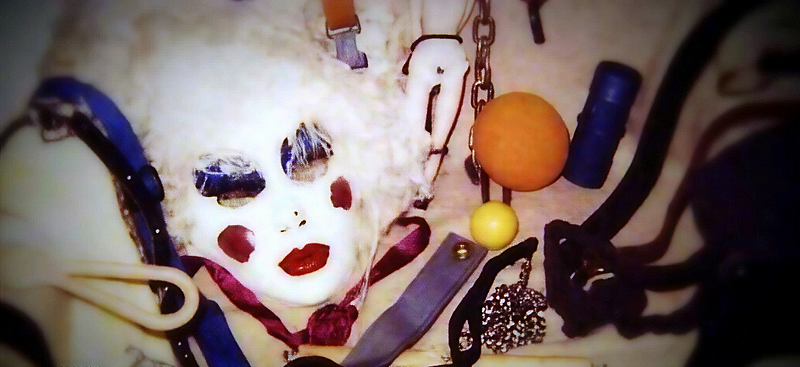
- Trophy caches: 2023 property excavations uncovered bondage devices, victim jewelry, and clothing³¹
Rader’s 2023 comparison of Long Island serial killer Rex Heuermann to “a clone of myself”³² further demonstrates his persistent pathological identification with serial murder.
Criminological Significance
The BTK case transformed investigative protocols through:
- Digital evidence integration: Established metadata analysis as standard procedure³³
- Cold case reinvestigation models: Demonstrated value of revisiting dormant cases with new technologies
- Familial DNA application: Pioneered innovative genetic investigative techniques³⁴
- Psychopathy studies: Advanced understanding of narcissistic supply in serial killer motivation
Rader’s ability to maintain a conventional exterior — exemplified by his 2005 statement: “I was just a regular guy… under the radar”³⁵ — continues to challenge assumptions about criminal profiling and community safety.
Conclusion
Dennis Rader represents a quintessential case study in psychopathy, sexual sadism, and the banality of evil. His meticulously organized crimes, spanning three decades with intermittent dormancy, reveal the complex interplay between paraphilic motivation, narcissistic supply, and criminal organization. The BTK investigation underscores the critical importance of forensic adaptability, particularly regarding evolving digital evidence analysis. While incarcerated, Rader’s continued connections to cold cases suggest his complete victim tally may never be known. His legacy persists as a grim reminder that the most dangerous predators often hide behind the most ordinary facades.
Footnotes
- “Dennis Rader,” Encyclopædia Britannica, last modified July 6, 2025, https://www.britannica.com/biography/Dennis-Rader.
- “Dennis Rader,” Wikipedia, last modified July 6, 2025, https://en.wikipedia.org/wiki/Dennis_Rader.
- Matthew S. Hutnyan, “BTK: A Case Study in Psychopathy,” SMU Journal of Undergraduate Research 7, no. 2 (2022): 2, https://doi.org/10.25172/jour.7.2.4.
- “Analysis of Dennis Rader BTK,” SlideShare, accessed July 7, 2025, https://www.slideshare.net/slideshow/analysis-of-dennis-rader-btk/10241182.
- “Dennis Rader,” Biography, last modified 2024, https://www.biography.com/crime/dennis-rader.
- “Dennis Rader,” EBSCO Research Starters, 2024, https://www.ebsco.com/research-starters/biography/dennis-rader.
- “Dennis Rader,” Wikipedia.
- “Dennis Rader,” EBSCO Research Starters.
- “How Digital Forensics Caught the BTK Strangler,” Forensics Colleges, accessed July 7, 2025, https://www.forensicscolleges.com/blog/forensics-casefile-btk-strangler.
- “Dennis Rader,” Biography.
- “The BTK Killer: A Detailed Examination,” John D. Rogers Law, July 16, 2024, https://johndrogerslaw.com/the-btk-killer-a-detailed-examination-of-one-of-americas-most-notorious-serial-killers/.
- “Chapter 13: Dennis Rader ‘BTK Killer’,” CSI PressBooks, accessed July 7, 2025, https://csi.pressbooks.pub/uncserkill/chapter/chapter-13-dennis-rader-the-btk-killer/.
- “Dennis Rader,” Wikipedia.
- “BTK’s Journal Links the Serial Killer to a 16-Year-Old,” CNN, August 25, 2023, https://www.cnn.com/2023/08/25/us/btk-linked-missing-person-writing.
- “Dennis Rader,” EBSCO Research Starters.
- “Dennis Rader,” Encyclopædia Britannica.
- “Dennis Rader,” Wikipedia.
- Hutnyan, “BTK: A Case Study,” 7.
- “Analysis of Dennis Rader BTK,” SlideShare.
- “Dennis Rader,” Encyclopædia Britannica.
- “Dennis Rader,” Wikipedia.
- “How Digital Forensics Caught the BTK Strangler.”
- Ibid.
- Ibid.
- “Dennis Rader,” EBSCO Research Starters.
- “Dennis Rader,” Biography.
- “The BTK Killer: A Detailed Examination.”
- “Dennis Rader,” Wikipedia.
- “BTK’s Journal Links,” CNN.
- “Dennis Rader,” Biography.
- “BTK’s Journal Links,” CNN.
- “Dennis Rader,” Biography.
- “How Digital Forensics Caught the BTK Strangler.”
- Ibid.
- “Chapter 13: Dennis Rader,” CSI PressBooks.
Bibliography
“Analysis of Dennis Rader BTK.” SlideShare. Accessed July 7, 2025. https://www.slideshare.net/slideshow/analysis-of-dennis-rader-btk/10241182.
“BTK’s Journal Links the Serial Killer to a 16-Year-Old Who Went Missing Decades Ago, Authorities Say.” CNN. August 25, 2023. https://www.cnn.com/2023/08/25/us/btk-linked-missing-person-writing.
“Chapter 13: Dennis Rader ‘BTK Killer’.” CSI PressBooks. Accessed July 7, 2025. https://csi.pressbooks.pub/uncserkill/chapter/chapter-13-dennis-rader-the-btk-killer/.
“Dennis Rader.” Biography. Last modified 2024. https://www.biography.com/crime/dennis-rader.
“Dennis Rader.” Encyclopædia Britannica. Last modified July 6, 2025. https://www.britannica.com/biography/Dennis-Rader.
“Dennis Rader.” EBSCO Research Starters. 2024. https://www.ebsco.com/research-starters/biography/dennis-rader.
“Dennis Rader.” Wikipedia. Last modified July 6, 2025. https://en.wikipedia.org/wiki/Dennis_Rader.
Hutnyan, Matthew S. “BTK: A Case Study in Psychopathy.” SMU Journal of Undergraduate Research 7, no. 2 (2022). https://doi.org/10.25172/jour.7.2.4.
“How Digital Forensics Caught the BTK Strangler.” Forensics Colleges. Accessed July 7, 2025. https://www.forensicscolleges.com/blog/forensics-casefile-btk-strangler.
“The BTK Killer: A Detailed Examination of One of America’s Most Notorious Serial Killers.” John D. Rogers Law. July 16, 2024. https://johndrogerslaw.com/the-btk-killer-a-detailed-examination-of-one-of-americas-most-notorious-serial-killers/.