The Philosophy of Humor of Lenny Bruce: Transgression, Truth, and Liberation
Lenny Bruce transformed comedy into a vehicle for radical philosophical inquiry and cultural critique. His approach rejected traditional…
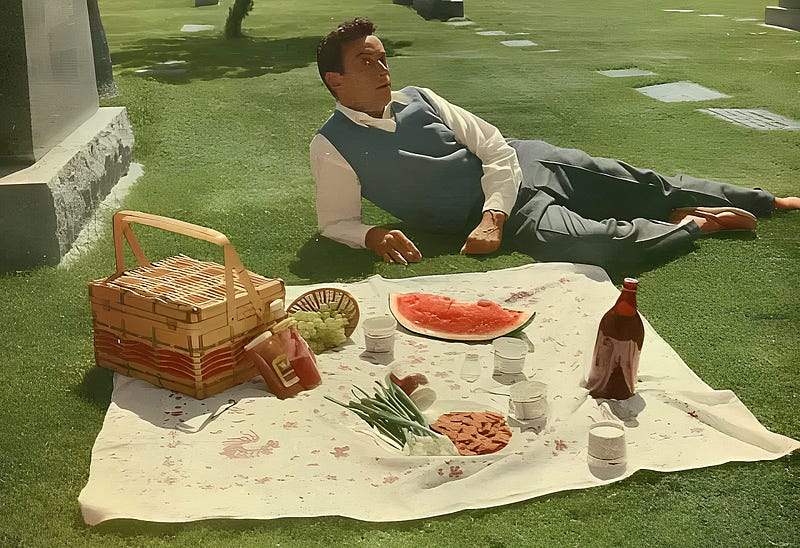
Lenny Bruce transformed comedy into a vehicle for radical philosophical inquiry and cultural critique. His approach rejected traditional joke structures in favor of raw authenticity, using humor as a scalpel to dissect societal hypocrisies. Bruce targeted sacred institutions — organized religion, racial discrimination, sexual repression, and judicial corruption — exposing contradictions through incisive social satire. His routines functioned as anthropological studies of American taboos, dissecting cultural identity through everyday symbols.
Central to Bruce’s philosophy was his revolutionary approach to language. He deliberately repeated taboo words to drain their destructive power, insisting context determines meaning. His battle against censorship became a living manifesto: “I use words for color, like Picasso — a bold stroke.” This linguistic liberation extended to reclaiming marginalized expressions, particularly Yiddish, as tools of intellectual resistance. His famous defense of language emphasized semantic precision: “‘To’ is a preposition, ‘come’ is a verb… If you’re bothered by those words, you probably can’t ‘come’.”
Bruce pioneered the concept of the comedian as “stand-up philosopher,” adopting jazz-inspired improvisation over prefabricated jokes. His performances flowed in stream-of-consciousness patterns, mirroring jazz solos and philosophical dialogues. This method embodied his belief that truth emerges through spontaneous exploration: “I could try anything… getting bored and doing it different ways.”
The tragic cost of Bruce’s truth-telling became inseparable from his legacy. Relentless legal persecution — including multiple obscenity arrests and trials — coupled with blacklisting and drug dependency, led to his premature demise. Yet his final performances defiantly featured courtroom transcripts, turning legal oppression into comedic material. Decades later, his artistic courage was posthumously vindicated, with authorities acknowledging his speech was legally protected.
Bruce’s enduring influence reshaped comedy as autonomous social commentary. His legal battles established critical First Amendment precedents for future generations of comedians. He secularized Jewish humor into universal cultural critique, embodying what scholars call “travelling humor.” His philosophy centered on laughter as an instrument of liberation: “The only honest art form is laughter, comedy. You can’t fake it… try to fake three laughs in an hour — ha ha ha ha ha — they’ll take you away, man. You can’t.” Contemporary comedians echo his ethos, with Chris Rock asserting: “Comedians are the last philosophers,” and Margaret Cho reflecting: “I don’t want to end up like [Bruce], but I want to be like him.”