The Velvet Fish of the North Atlantic: The Story and Science of Lemon Sole (Microstomus kitt)
Lemon sole is not a lemon, nor a true sole. It is one of the most misnamed fish in European markets — an elegant, copper-flecked flatfish…
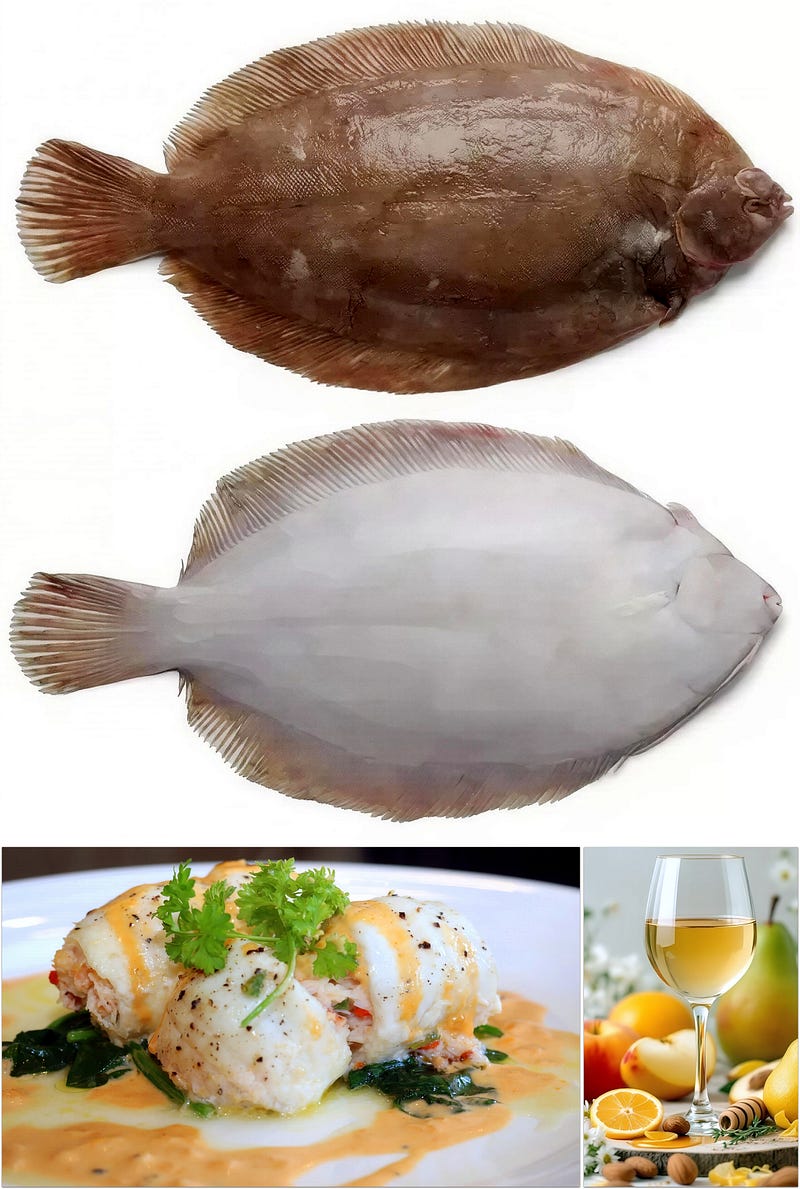
Lemon sole is not a lemon, nor a true sole. It is one of the most misnamed fish in European markets — an elegant, copper-flecked flatfish that bridges science, culture, and cuisine. Beneath its misleading name lies a species emblematic of northern marine life: slow to mature, sensitive to temperature shifts, and prized for flesh so delicate that chefs whisper about it like silk.
Taxonomy: The Name and Its Many Faces
The lemon sole, Microstomus kitt, belongs to the family Pleuronectidae, the right-eyed flatfishes. Its genus name, Microstomus, translates from Greek as “small mouth,” an anatomical hallmark that distinguishes it from the larger-mouthed Pleuronectes platessa (also known as plaice). It was first described by Linnaeus in 1758 and remains taxonomically stable, with no recognized subspecies.
Common names vary by region. In English-speaking countries, it is known as “lemon sole” (United Kingdom, Ireland, Norway). In the French market, it appears as limande-sole or limande citronnée. In Dutch ports, it is called citroenzijde. In Danish and Norwegian, rødspætte and lomre sometimes overlap in trade vernacular, reflecting historical confusion among local flatfishes. Despite its “sole” label, it is genetically closer to flounders than to true soles (Solea solea).
Biology: Anatomy of Elegance
Lemon sole lives a quiet, benthic existence along the continental shelf, favoring sandy or gravel bottoms from 20 m (65 ft) to 200 m (656 ft) deep. Adults reach 65 cm (26 in) but are commonly caught around 30 cm (12 in). The upper side displays a mosaic of reddish-brown, orange, and pink patches that shift hue with substrate color, a result of chromatophore control that aids in camouflage.
The small, arched mouth sits under a forward-leaning snout, suited for foraging polychaetes, small crustaceans, and mollusks. It spawns in late winter and spring, releasing pelagic eggs that drift for several weeks before metamorphosing into bottom-dwelling juveniles. Growth is slow, and sexual maturity occurs around three to five years, contributing to its moderate vulnerability to overfishing.
Ecology: Cold Currents and Caution
Distributed from the Bay of Biscay to the Barents Sea, Microstomus kitt thrives in the temperate and cold waters of the northeastern Atlantic. It is most abundant in the North Sea and around the British Isles, where trawl and gillnet fisheries target it incidentally with plaice and haddock. The species plays a role as both predator and prey in benthic food webs, supporting cod, rays, and marine mammals.

While not listed as endangered, the lemon sole’s sustainability depends on strict quota management under the International Council for the Exploration of the Sea (ICES). Seasonal closures protect spawning grounds, and Marine Stewardship Council (MSC) certification now covers select North Sea trawl operations. The fish’s slow growth and localized populations mean that overexploitation remains a risk if controls loosen.
Uses: From Catch to Cuisine
Edible parts include the fillet and skin. A mature specimen yields approximately 30% edible flesh, equating to about 0.9 kg (2 lb) of fillet from a 3 kg (6.6 lb) fish. Nutritionally, lemon sole provides about 86 kcal per 100 g (3.5 oz), with 18 g (0.63 oz) of protein, less than 1 g (0.04 oz) of fat, and negligible carbohydrate content. Key nutrients include selenium, iodine, vitamin B12, and omega-3 fatty acids.
It contains no known anti-nutrients or toxins when fresh, though like most fish, it requires proper cold-chain storage to prevent histamine formation. There are no significant medicinal uses or pharmacological extracts derived from M. kitt, though fish oils contribute to general cardiovascular benefits.
Commercially, lemon sole is marketed fresh, filleted, or frozen. Its texture — fine-grained, tender, and almost creamy — makes it a staple in restaurants. It is often pan-fried, grilled, or poached; overcooking destroys its subtlety. Processing involves gutting and quick-icing at sea, with filleting conducted within 24 hours of landing. Sustainability certifications such as MSC and Friend of the Sea enhance its export value, particularly to the United Kingdom, the Netherlands, and Scandinavia.
Flavor is lightly sweet with hints of hazelnut and sea grass. The aroma is faintly briny, and the mouthfeel is clean, flaking easily without dryness. Flavor stability remains high for up to 48 hours on ice (0°C or 32°F) but declines rapidly thereafter.
Culinary Aspects: The Subtle Alchemy of Simplicity
Lemon sole embodies restraint. Its flavor rewards minimal intervention — flour dusting, clarified butter, and a squeeze of lemon. The texture is delicate, yielding easily under a fork yet retaining cohesion. Mouthfeel is velvety, the aftertaste faintly nutty with a saline echo. Its chemesthetic quality is low; spices should never dominate.
Regional dishes include grilled lemon sole with brown shrimp and parsley butter (England), filet de limande meunière (France), and oven-baked lomre med urter in Norway. Optimal cooking occurs at moderate heat (about 160°C or 320°F) for 6–8 minutes per side for a 2.5 cm (1 in) fillet, ensuring translucence and moisture retention.
Wine Pairings: Subtle Meets Subtle
For a classic meunière preparation, a Ligurian Vermentino or Sardinian Vermentino di Gallura works best. Its crisp acidity and saline minerality mirror the fish’s clean oceanic notes while balancing butter and lemon.
When served baked with herbs and olive oil, a Grüner Veltliner from Austria complements the herbaceous tones and lends white pepper brightness without overpowering the dish.
For a richer, cream-based sauce, opt for an Arneis from Piedmont — its soft pear and almond profile aligns with the fish’s nutty undertone.
Smoked or lightly cured versions, rare but traditional in Nordic kitchens, pair gracefully with an Albariño from Rías Baixas, whose citrus and salinity provide tension against the subtle oiliness of smoked flesh.
Conclusion: A Northern Jewel Worth Protecting
The lemon sole’s quiet elegance belies its ecological and culinary significance. It is a case study in how naming, science, and gastronomy intersect — and sometimes collide. Its sustainability depends on responsible harvest, transparent traceability, and consumer discernment. For chefs and biologists alike, Microstomus kitt remains a reminder that subtlety, when respected, endures.