Why Do Stupid People Boast About Their Crimes on Social Media?
Every year, dozens of criminals effectively turn themselves in by oversharing on social media. Instead of hiding evidence, they openly brag…
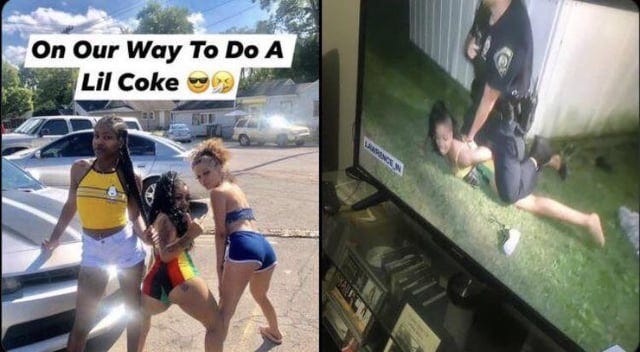
Every year, dozens of criminals effectively turn themselves in by oversharing on social media. Instead of hiding evidence, they openly brag about their crimes or post incriminating photos and videos online. It’s a baffling trend — the same platforms that give these offenders a moment of fame often supply police with all the proof needed to arrest them. In the age of Facebook, Instagram, YouTube, and TikTok, some perpetrators just can’t resist the urge to announce their misdeeds to the world. For law enforcement, this oversharing is almost a gift: as one tech writer wryly noted, the “irresistible urge felt by dumb criminals to boast of their crimes on social media is the gift that keeps on giving.”
Why Criminals Boast Online
What drives people to announce their wrongdoing online for all to see? A mix of psychological and social factors seems to be at play:
- Craving for Attention and Clout: Many offenders seek validation or bragging rights. Posting about a crime can feel like an accomplishment to be proud of — they want likes, comments, and admiration from peers or followers, even if it’s for something illicit. This desire for an audience can cloud judgment.
- False Sense of Security: The internet can create a false sense of anonymity or distance. Some criminals mistakenly believe that what happens online stays online. They assume a social media post won’t be connected to their real identity or that privacy settings will shield them. In reality, digital footprints are easily traced, and even “private” posts can surface in investigations.
- Thrill and Bravado: Boasting about a crime amplifies the thrill and bravado. Sharing details or footage of the act lets offenders relive the excitement and feel a rush of power. It’s the same bravado that might drive someone to commit a daring act — now extended into the digital sphere for an extra adrenaline kick.
- Underestimating Consequences: Surprisingly, some genuinely believe there will be no real repercussions. Especially among younger individuals, there’s often a misguided belief that admitting to a crime on a social network has no more consequence than bragging in a video game. This illusion — that online isn’t the “real world” — leads them to say and do things on camera that they’d never admit to in person.
- Subconscious Confession or Hubris: In a few cases, criminals might want to be caught or recognized. Whether due to guilt or overconfidence, they leave clues about their crimes. Posting could be a subconscious confession or just extreme hubris — they think they’re untouchable, so they taunt authorities by flaunting what they did.
Caught by Their Posts
Time and again, offenders have been caught thanks to their social media posts. Boasting online often backfires spectacularly. Some noteworthy examples include:
- A casino thief in Las Vegas proudly shared details of a $1.5 million heist on an online forum, even trying to sell stolen goods to other users. The bragging “Biker Bandit” was swiftly identified and arrested after forum members tipped off the police.
- In one case, a drunk driver live-tweeted his drunk driving in real time (boasting about how wasted he was while behind the wheel). Police, alerted by the tweets, tracked him down and arrested him mid-crime, likely preventing a tragedy.
- A group of teenagers in Chicago decided to live-stream an assault on Facebook Live, apparently thinking it was “fun.” The horrifying video not only drew public outrage but also served as direct evidence — officers had no trouble locating and arresting the culprits shortly after the stream.
- Even a murder suspect managed to implicate himself: after his friend was killed, the suspect posted “RIP” messages on the victim’s social media page moments after committing the crime. This unusual show of “grief” so soon raised suspicions; investigators quickly put two and two together, and the poster was arrested for the murder. In trying to insert himself into the story, he had essentially announced his guilt.
These cases barely scratch the surface. There are hundreds of such tales — burglars posting selfies with stolen loot, fugitives revealing their hideouts by checking in on Facebook, and gang members showing off illegal weapons or cash in YouTube videos. Each time, the digital evidence makes the job easier for law enforcement. It turns out criminals’ posts are often the strongest witnesses against them.
Digital Evidence and Real Consequences
Oversharing a crime on social media doesn’t just earn internet infamy — it carries very real consequences. Police and investigators now routinely monitor public social media profiles for clues. Entire departments are dedicated to cyber monitoring, and what they find online can and will be used in court. Unlike a private conversation, a public Facebook post or a YouTube video is open evidence. No officer is required to read you a Miranda warning before you post on Instagram. Whatever you say or show online can and will be used against you if authorities get hold of it.
Legally, a public confession on social media is as damning as one given to detectives in an interrogation room — except in the online scenario, the suspect volunteered the information without prompt. Posts, comments, and videos often become key evidence, establishing a timeline and intent. Even without a direct confession, seemingly minor posts (like photos flashing gang signs, or a casual “we did it!” status update) have helped police connect the dots in investigations.
Realizing this trend, some governments are cracking down on criminals who publicize their wrongdoing. In Australia, for instance, lawmakers have proposed “post-and-boast” measures to penalize such behavior. A recent bill in Victoria — nicknamed the “Performance Crime” law — seeks to add extra jail time for offenders who glorify their crimes online by posting videos or images of the act. The logic is simple: if you’re brazen enough to perform your crime for an audience, you deserve an enhanced punishment. Elsewhere, judges often show little leniency to those who effectively confess on social media, sometimes issuing harsher sentences due to the cavalier attitude implied by the online bragging.
Law enforcement agencies also collaborate with social media companies to track suspects. Digital trails (GPS tags in photos, IP addresses, or unique hashtags) can link an online post to a real-world location and identity. There have been numerous cases of police obtaining warrants to access private messages or deleted content because a public post hinted at bigger crimes. In short, boasting online doesn’t just increase the chance of getting caught — it practically gift-wraps the evidence for prosecutors.
Think Before You Post
Ultimately, bragging about crimes on social media is a self-defeating stunt. The “likes” and attention are fleeting, but the legal repercussions can last for years. Getting virtual clout is not worth wearing real handcuffs. What might seem like a joke or a moment of bravado can quickly turn into an arrest, a courtroom trial, and a jail sentence.
Think about the irony: in trying to look “cool” or fearless online, these offenders end up highlighting their foolishness. They prove an age-old truth in the internet age — if you’ve broken the law, broadcasting it publicly is one of the stupidest things you can do. So, if someone ever feels tempted to boast about a crime for all their followers to see, they should remember that the audience might include the police, and the encore might just be performed in a prison cell.