Wings Over Water: The Caspian Tern’s Journey Through Sky, Sea, and Culture
The Caspian tern is more than a bird; it is a reminder of how ecosystems, cultures, and appetites intersect. Its flight connects continents, its presence reflects the state of our waters, and its historical uses speak to the human instinct to live with, and sometimes at the expense of, ...

Introduction
When a flash of white wings with a jet-black cap arcs against a blue horizon, there’s a good chance you are witnessing the flight of the Caspian tern (Hydroprogne caspia). The largest tern in the world, this bird embodies grace and ferocity in equal measure, carving its life between continents, oceans, and estuaries. Unlike its smaller cousins, the Caspian tern demands attention: a bird with a commanding 55 in wingspan — about 140 cm — capable of crossing entire seas in a single season. Its story is not merely avian biology but a tapestry of ecology, ancient fishing traditions, and the delicate balance between human appetite and natural sustainability.
Taxonomy
The Caspian tern belongs to the family Laridae, which includes gulls and terns. Its scientific name, Hydroprogne caspia, speaks to its aquatic dominion, with “hydro” for water and “progne” alluding to the swallow, a reference to its swift and elegant flight. Unlike some genera that boast dozens of species, Hydroprogne is monotypic — this bird stands alone. Common names vary with geography: in Russian ornithology, it is known as “Kaspiyskaya kraycha,” while in Arabic-speaking regions it is called “Nawar al-kaspi.” There are no recognized edible subspecies, though its eggs have historically been consumed in coastal villages from Scandinavia to Central Asia.
Biology
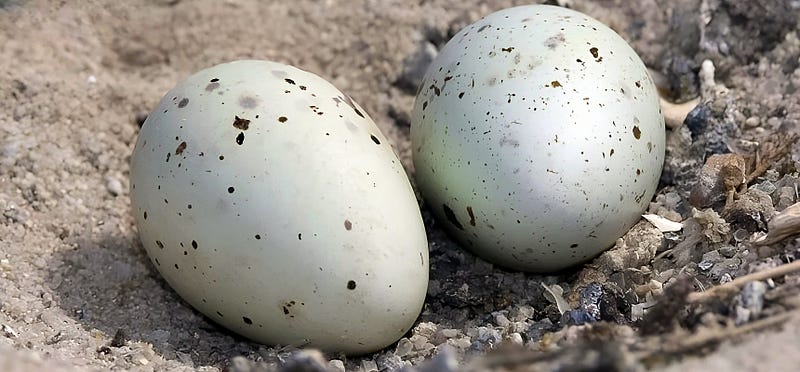
Standing at 21 in tall — about 53 cm — the Caspian tern dwarfs most of its kin. Its scarlet bill, thick and dagger-like, distinguishes it at a glance, while its black-capped head and silvery back lend it an aristocratic bearing. These birds breed in colonies, laying two to three mottled eggs on sandy shores. Chicks hatch within four weeks, covered in down that blends into gravel — a camouflage against predators. Caspian terns are plunge divers, dropping from as high as 100 ft — 30 m — into the water, seizing fish with surgical precision. They feed primarily on herring, perch, and smelt, often carrying their prey crosswise in their beaks, a characteristic gesture that fishermen once interpreted as a sign of the sea’s abundance.
Ecology
The Caspian tern is a cosmopolitan traveler. Its breeding range stretches across Europe, Asia, North America, and Africa. It nests along the Baltic Sea, the Caspian basin, and the Great Lakes, while wintering as far south as sub-Saharan Africa and the coasts of India. Its presence signals the health of estuarine systems, for it requires clean waters and robust fish stocks. Yet its numbers have fluctuated due to wetland reclamation, oil exploration, and overfishing. Conservationists now protect key breeding sites in places like Oregon’s Columbia River estuary and Russia’s Volga Delta, emphasizing sustainable coexistence between bird colonies and human fisheries.

Uses
Historically, Caspian tern eggs were harvested for food in Arctic and Baltic regions, particularly during times of scarcity. Feathers found their way into trade, though never with the same intensity as eider down or heron plumes. Today, the species holds more economic weight as an indicator of ecological health than as a consumable. Ecotourism has also given the bird renewed significance, with birdwatchers traveling to estuaries and coastal sanctuaries, their spending supporting local economies while encouraging conservation.
Culinary Aspects
Though modern laws protect the tern from direct harvest, oral histories reveal that its eggs were once valued for their richness. Larger than a chicken’s, at about 2.7 oz — 75 g — per egg, they were described as creamy but with a strong, fish-tinged aftertaste. Coastal fishermen in Finland would boil them and serve them alongside salted herring, a meal that spoke more of necessity than luxury. Today, such practices are largely abandoned, but the cultural memory endures in traditional food narratives. The bird itself, being fish-eating and muscular, was rarely eaten, as its flesh was considered tough and oily.
Wine Pairings
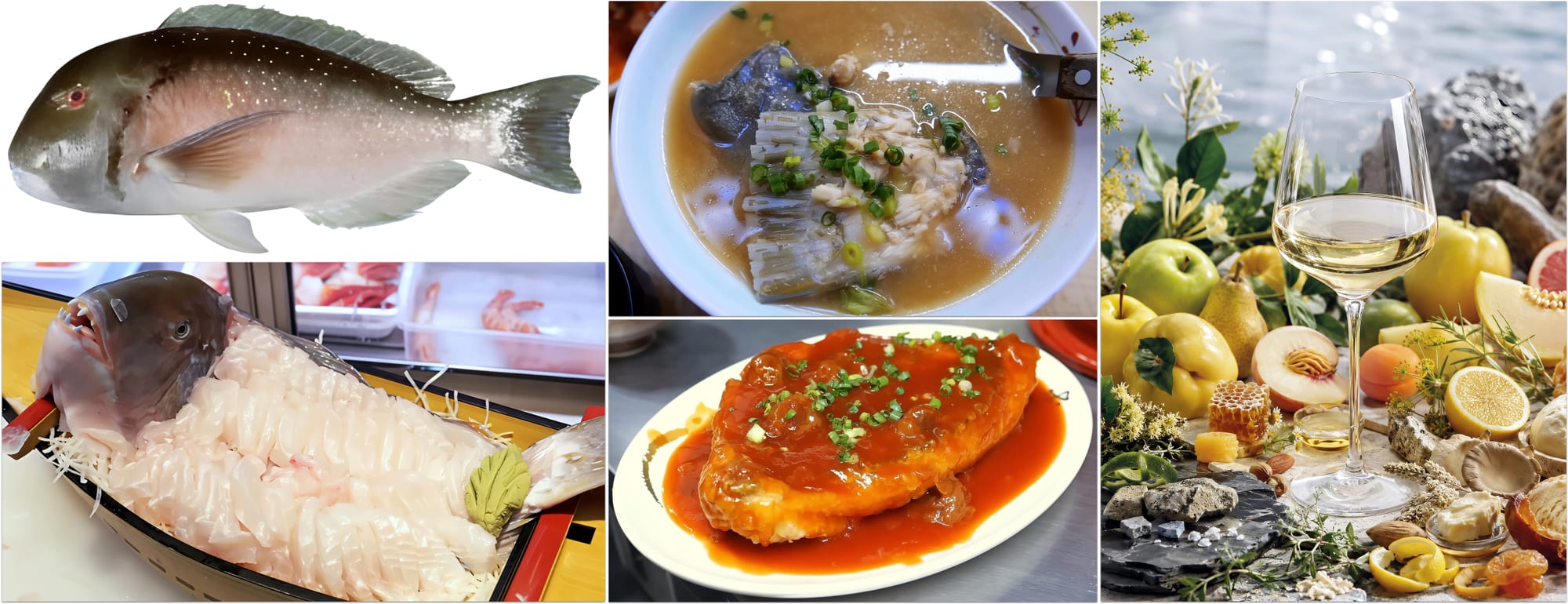
For a traditional Finnish coastal meal of boiled tern eggs and salted herring, the ideal drink pairing is kotikalja, a home-brewed malt beverage with low alcohol and mild sweetness. Its bready, slightly sour profile balances the salt and richness of the dish, while its gentle carbonation cleanses the palate. Deeply rooted in Finnish food culture, kotikalja complements both the umami of herring and the soft texture of eggs, making it the most harmonically effective and culturally authentic choice.
If one imagines, as culinary historians sometimes do, a world where Caspian tern eggs were still on the table, pairing becomes a delicate art. The richness of the egg calls for a bright, acidic wine to cut through its density. A crisp Sauvignon Blanc from the Loire Valley, with its grassy minerality, would provide balance. Alternatively, a sparkling brut Champagne, served chilled at 45°F — 7°C — could elevate the dish, its effervescence cleansing the palate after each bite. The idea is less about the reality of eating tern eggs today and more about understanding how human taste has historically interacted with wild foods.
Conclusion
The Caspian tern is more than a bird; it is a reminder of how ecosystems, cultures, and appetites intersect. Its flight connects continents, its presence reflects the state of our waters, and its historical uses speak to the human instinct to live with, and sometimes at the expense of, the natural world. In an age where sustainability is no longer optional but imperative, the Caspian tern challenges us to look at the skies and the seas with reverence. Its survival, and our appreciation of its role, testifies to the possibility of harmony between human culture and wild nature.